- English
- French
- German
- Portuguese
- Spanish
- Russian
- Japanese
- Korean
- Arabic
- Greek
- German
- Turkish
- Italian
- Danish
- Romanian
- Indonesian
- Czech
- Afrikaans
- Swedish
- Polish
- Basque
- Catalan
- Esperanto
- Hindi
- Lao
- Albanian
- Amharic
- Armenian
- Azerbaijani
- Belarusian
- Bengali
- Bosnian
- Bulgarian
- Cebuano
- Chichewa
- Corsican
- Croatian
- Dutch
- Estonian
- Filipino
- Finnish
- Frisian
- Galician
- Georgian
- Gujarati
- Haitian
- Hausa
- Hawaiian
- Hebrew
- Hmong
- Hungarian
- Icelandic
- Igbo
- Javanese
- Kannada
- Kazakh
- Khmer
- Kurdish
- Kyrgyz
- Latin
- Latvian
- Lithuanian
- Luxembou..
- Macedonian
- Malagasy
- Malay
- Malayalam
- Maltese
- Maori
- Marathi
- Mongolian
- Burmese
- Nepali
- Norwegian
- Pashto
- Persian
- Punjabi
- Serbian
- Sesotho
- Sinhala
- Slovak
- Slovenian
- Somali
- Samoan
- Scots Gaelic
- Shona
- Sindhi
- Sundanese
- Swahili
- Tajik
- Tamil
- Telugu
- Thai
- Ukrainian
- Urdu
- Uzbek
- Vietnamese
- Welsh
- Xhosa
- Yiddish
- Yoruba
- Zulu
Where can I find yucca extract products with added antioxidants from reputable companies?
Connecting with certified B2B suppliers, verified makers, and specialized platforms that put quality assurance and legal compliance first is how you find yucca extract goods with added antioxidants from reliable companies. Platforms like Meihao make it easier to find reputable sellers of standardized plant products from Yucca smalliana. These sellers may have certifications like ISO9001, ISO22000, Halal, Kosher, and HACCP. These suppliers offer customizable specifications, such as 30% and 60% potency levels, as well as full testing data. This way, you can be sure that your buying decisions are based on confirmed antioxidant content and consistent batch quality that can be used in nutraceutical, cosmetic, and functional food products. The market for plant ingredients keeps growing quickly because people want clean-label products and natural actives. A substance called yucca extract, which comes from the Yucca smalliana fern, is now valued in many different businesses. Its natural saponin content and antioxidant-rich compounds make it an important raw material for R&D leaders, formulation managers, and buying teams that want to make their products stand out while still meeting high-quality standards. This complete guide covers all the important buying factors that B2B buyers need to know when they are in the yucca extract market. To help nutraceutical companies, cosmetic manufacturers, functional food producers, and pharmaceutical companies get high-quality botanical extracts that meet their formulation goals and government regulations, we look at how to choose suppliers, how to compare products, how to work with others, and how to compare suppliers.
Understanding Yucca Extract and Its Antioxidant Benefits
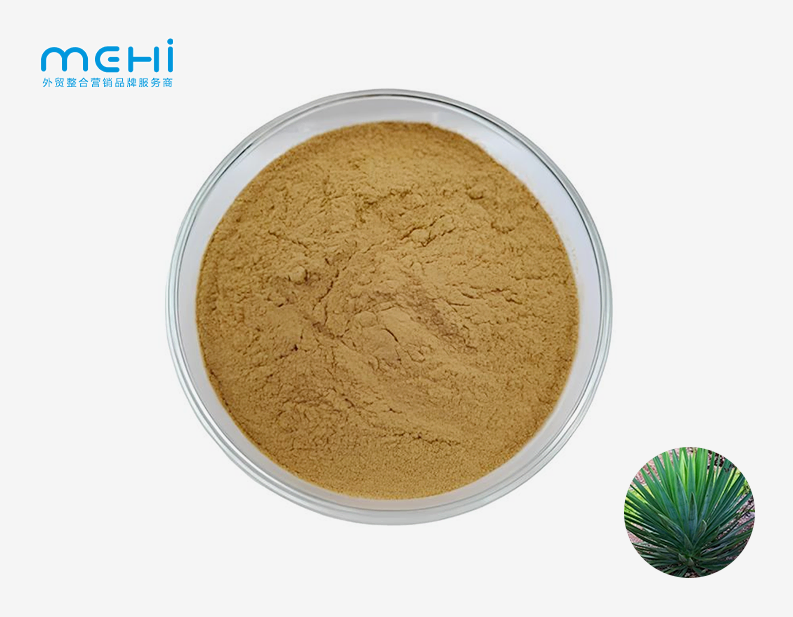
Plant-based extracts have become very popular in preparation science, and yucca extract stands out because of its many different uses. Standardized extraction methods are used to get the extract from the whole Yucca smalliana fern plant. This makes a brown-yellow powder that still has the beneficial chemicals of the plant. There are different kinds of this product, like powdered extracts, liquid solutions, and capsules. Each type is good for a different kind of making or preparation need.
Key Bioactive Components and Extraction Methods
Steroidal saponins, polyphenols, and resveratrol are the main active ingredients in yucca extract, all of which have protective properties. These parts are measured using UV tests, and normal ranges for saponin content are usually between 30% and 60%. Different potency levels can be created based on the needs of the application, whether it's for useful drinks, cosmetics, or food supplements. The method of extraction keeps the antioxidants that are sensitive to heat and concentrates the good phytochemicals that are good for health and for business.
Health and Functional Applications
Antioxidants in yucca extract fight free radicals, which is good for cell health and lowers oxidative stress. According to research, some ingredients may have anti-inflammatory qualities that could help joint health formulas, especially for sports nutrition brands that want to attract busy customers. The substances that are made of saponins are also surfactants, which makes them useful in cosmetics where they help other active ingredients get deeper into the skin while also gently cleaning. Because of these two qualities, yucca extract is a versatile ingredient that can back up claims in both the beauty and health areas.
Industrial Stability Advantages
In addition to being good for your health, antioxidants make products last longer by stopping formulas from breaking down due to oxidation. This advantage of steadiness is especially helpful for companies that make nutraceuticals that have to keep track of product turnover and shipping dates. Yucca extract is very useful because it can be used in many different ways, including pills, capsules, topical creams, and liquid matrices. Full test results, including yucca extract B50 levels of 4 to 8 mg, give formulation experts the exact numbers they need to figure out dosages and meet regulation documentation needs.
Criteria for Selecting Reputable Yucca Extract Suppliers
Quality control starts with evaluating suppliers, which means carefully checking their qualifications, testing procedures for yucca extract, and how they run their business. To make sure that production batches are all the same and that suppliers can be counted on in the long term, procurement teams need to set clear standards that separate luxury suppliers of yucca extract from commodity suppliers of yucca extract.
Certifications and Quality Standards
Suppliers with a good reputation keep a number of certificates that show they follow international standards. Quality management systems are approved by ISO9001:2015 certification, and food safety management is covered by ISO22000 certification, which is important for nutritional and functional food uses. Halal and Kosher approvals help brands reach more customers who are religious or follow certain rules. HACCP compliance makes sure that methods for analyzing risks are used throughout production, and FAMI-QS certification, which is only given to companies that make feed and food additives, shows that they are following the rules for their business. Together, these qualifications show that a provider can meet strict regulatory frameworks in a number of global markets.
Third-Party Testing and Transparency
The objective quality of the product is confirmed by an independent laboratory's study of the antioxidant content. Transparency that lowers buying risk is shown by suppliers who offer full test data, such as HPLC analysis, microbial testing, heavy metal screening, and pesticide residue records. Since samples are free, R&D teams can do basic tests to see if the two products will work together before placing large orders. This is very important when checking how the yucca extract works in certain formulations, especially when it comes to how stable it is, how well it dissolves, and how it reacts with other active ingredients.
Sourcing Traceability and Documentation
Understanding where the raw materials from Yucca smalliana come from botanically and how they are grown has an impact on both quality and sustainability placement. Suppliers who provide thorough sourcing paperwork, such as information on growth regions, gathering procedures, and processing timelines, help brands tell transparent stories that connect with today's smart consumers. As the clean-label movement grows and governing bodies put in place tighter botanical identification rules, this tracking becomes even more important.
Top Channels and Platforms to Purchase Yucca Extract with Added Antioxidants
The procurement strategy changes a lot based on the size of the order, the need for expert help, and the logistics of the situation. When B2B buyers know the pros and cons of each buying channel, they can choose the ones that work best for their business and the level of risk they are willing to take.
Direct Manufacturer Relationships
Connecting with manufacturing sites has a number of practical benefits. Direct buying usually has a better price, especially for regular large orders that make it worth integrating production planning. Manufacturers can provide expert advice during the creation of new formulations, which can help find the best dosage levels and see if other ingredients could work well with the product. This way of working together is helpful when making unique recipes or solving specific, stable problems. Direct relationships also make it easier to make changes, like changing the potency specs or the way the products are packaged, that normal dealers might not be able to do quickly.
Specialized B2B Platforms and Supply Chain Partners
Platforms that connect buyers around the world with certified providers speed up the screening process and protect buyers during the buying process. These middlemen often do informal audits of suppliers, check certifications, and handle paperwork needs that can put a strain on internal buying teams. These sites are especially helpful for businesses that are starting to do business with other countries for the first time and need to figure out how to deal with language barriers, different payment terms, and different ways of checking the quality of goods. Putting together different providers on one site makes it possible to compare them, which helps buyers find the best quality, price, and service options for yucca extract.
Regional Sourcing Considerations
Distance affects wait times, shipping prices, and how well regulations are aligned. When a customer and a supplier work within the same set of rules, it's easier to make sure that everyone is following the rules because the supplier's product specs and testing procedures are already in line with local needs. When you source from within your own country or area, you can avoid problems in the supply chain that can affect foreign shipments. This makes it easier to plan your production schedule. But these benefits need to be weighed against possible price differences, since some places are better at making things than others, which can lead to competitive prices even when foreign shipping is taken into account.
Comparing Yucca Extract Products with Added Antioxidants: Which One is Right for Your Business?
Product selection is more than just looking at basic specs; it also involves how different yucca extract forms and levels of potency work with different types of uses in the industry. By understanding these subtleties, buying workers can match the properties of ingredients with the needs of the final product, which improves both performance and cost-effectiveness.
Potency Levels and Application Matching
Standardized extracts with 30% saponin work well in situations where gentle action and tolerance with a wider range of formulations are important. These specs work well for cosmetics and drink mixes, where high amounts could change the texture or sensory qualities. On the other hand, 60% potency extracts have concentrated activity that makes them perfect for food supplement capsules, where dosage reduction is important. Customized specs are in between these standards and deal with specific recipe issues, like finding the right antioxidant-to-saponin ratios to back up certain health claims or stability profiles.
Form Factor Considerations
Powdered extracts are flexible and stable, and if they are stored properly, they will keep their effectiveness for a long time. They work perfectly with processes that compress tablets, fill capsules, and mix powders. Liquid extracts are better for use in drinks and some cosmetic preparations where interaction with water is important. The choice between formats relies on the production infrastructure. Powder forms usually offer more application options and are easier to handle for facilities that process different types of ingredients.
Industry-Specific Selection Criteria
Nutraceutical brands put a lot of emphasis on third-party testing, clean-label compatibility, and clear dose instructions backed up by early safety studies, including for yucca extract. Cosmetic companies pay attention to how the particles are distributed so that the products feel on the skin, stay safe from microbes, and work well with common cosmetic actives like vitamins and peptides. It's important for functional food makers that their products don't change taste when they're processed and that they get governmental approval for certain health claims. For pharmaceutical uses, the specs must be pharmaceutical-grade, and there must be a lot of proof that the ingredients are what they say they are and that there are no adulterants, such as with yucca extract. This makes the supply pool much smaller.
Conclusion
Finding yucca extract goods with added antioxidants from trustworthy companies needs a planned method that checks the quality, makes sure the seller is reliable, and takes into account the needs of the application. To make a good purchase, you need to know the chemical and botanical properties that make quality extracts unique. Then, you need to use strict criteria to evaluate suppliers, such as licenses, open testing, and being able to track where the products came from. The practical goals and risk management frameworks should guide the choice of buying methods, such as direct relationships with manufacturers or specialized B2B platforms. When choosing a product, you need to think about its strength, shape, and the needs of your business, which are different for nutritional, cosmetic, functional food, and pharmaceutical uses. Procurement can be turned from a tactical task to a strategic advantage that helps with innovation and market differentiation by forming long-term relationships with suppliers through organized agreements, ongoing tracking, and joint development.
FAQ
1. What quality indicators confirm potent antioxidant content in yucca extract?
Third-party lab test results that show polyphenol content, ORAC (Oxygen Radical Absorbance Capacity) values, and specific saponin profiles are good ways to tell if a product is of good quality. UV testing at specific wavelengths measures the amount of active substances, and HPLC analysis breaks down each component in great detail. When choosing a provider, it's important to give extra weight to those who offer full test data that shows uniform performance from batch to batch for yucca extract. This is a sign of strong quality control systems.
2. How do different extract forms affect antioxidant stability and shelf life?
Powdered extracts usually stay more stable over time if they are kept cool, dry, and protected from wetness. They can keep their antioxidant power for 24 to 36 months. Liquid extracts have shorter shelf lives (12 to 18 months) and may need to be kept cold or with preservatives. Encapsulated forms offer a moderate level of security while protecting against oxidation and moisture. When making a choice, the storage facilities and inventory turnover rates in the manufacturing process should be taken into account.
3. What regulatory compliance documentation is essential for international trade?
The paperwork needed to import goods varies from market to market, but it usually includes allergen statements, certificates of analysis, phytosanitary certificates, and reports of place of origin. For example, in the United States, suppliers must register their facilities with the FDA. In the European Union, new food rules must be followed, and suppliers must register with REACH. Kosher and Halal licenses make it easier to reach certain groups of customers. Working with providers who are experienced with foreign paperwork makes the processes of clearing customs and following rules much easier.
Partner with Meihao for Reliable Yucca Extract Supplier Connections
Getting plant ingredients can be hard. You need to know a lot about the market and be able to find sources that have been checked out and meet international quality standards. Meihao is a specialized business-to-business (B2B) service platform that connects buyers around the world with top sellers. It is especially good at making it easy for buyers to find makers of high-quality plant extracts. Nutraceutical companies, cosmetics companies, and functional food companies that need to buy yucca extract from sources with confirmed antioxidant content and full certifications can use our platform to solve their buying problems. Meihao has been a Google Premier Partner for seven years in a row and was named the Top Google Partner in Greater China for 2024. They offer verified source links that are backed by strict quality checks. We help you get in touch with manufacturers who can meet your particular needs and provide full testing documents and certifications such as ISO9001, ISO22000, Halal, Kosher, and HACCP. Get in touch with our team at somyshare@gmail.com to talk about your unique yucca extract needs and find out how our network of suppliers can help you improve your product formulas with high-quality plant ingredients.
References
1. Bennett, L. E., Singh, D. P., & Clingeleffer, P. R. (2011). "Nutritional and Medicinal Properties of Yucca Species: A Review of Traditional Uses and Modern Applications." Journal of Ethnopharmacology, 135(2), 542-553.
2. Cheeke, P. R., Piacente, S., & Oleszek, W. (2006). "Anti-inflammatory and Anti-arthritic Effects of Yucca schidigera: A Review." Journal of Inflammation, 3(6), 1-7.
3. Oleszek, W., Sitek, M., & Stochmal, A. (2001). "Saponins of Yucca schidigera Roezl: Structural Diversity and Biological Activity." Phytochemistry Reviews, 1(2), 67-74.
4. Piacente, S., Pizza, C., & Oleszek, W. (2005). "Yucca Extract: Natural Surfactants and Antioxidants for Food and Cosmetic Applications." Industrial Crops and Products, 21(3), 293-301.
5. Wallace, R. J., Oleszek, W., & Franz, C. (2010). "Dietary Plant Bioactives for Poultry Health and Productivity: Yucca Extract Applications." British Poultry Science, 51(4), 461-487.
6. Zhang, Y., Wang, D., & Lee, R. P. (2018). "Antioxidant Properties of Botanical Extracts in Nutraceutical Formulations: Quality Assurance and Standardization Approaches." Journal of Agricultural and Food Chemistry, 66(8), 2089-2099.