- English
- French
- German
- Portuguese
- Spanish
- Russian
- Japanese
- Korean
- Arabic
- Greek
- German
- Turkish
- Italian
- Danish
- Romanian
- Indonesian
- Czech
- Afrikaans
- Swedish
- Polish
- Basque
- Catalan
- Esperanto
- Hindi
- Lao
- Albanian
- Amharic
- Armenian
- Azerbaijani
- Belarusian
- Bengali
- Bosnian
- Bulgarian
- Cebuano
- Chichewa
- Corsican
- Croatian
- Dutch
- Estonian
- Filipino
- Finnish
- Frisian
- Galician
- Georgian
- Gujarati
- Haitian
- Hausa
- Hawaiian
- Hebrew
- Hmong
- Hungarian
- Icelandic
- Igbo
- Javanese
- Kannada
- Kazakh
- Khmer
- Kurdish
- Kyrgyz
- Latin
- Latvian
- Lithuanian
- Luxembou..
- Macedonian
- Malagasy
- Malay
- Malayalam
- Maltese
- Maori
- Marathi
- Mongolian
- Burmese
- Nepali
- Norwegian
- Pashto
- Persian
- Punjabi
- Serbian
- Sesotho
- Sinhala
- Slovak
- Slovenian
- Somali
- Samoan
- Scots Gaelic
- Shona
- Sindhi
- Sundanese
- Swahili
- Tajik
- Tamil
- Telugu
- Thai
- Ukrainian
- Urdu
- Uzbek
- Vietnamese
- Welsh
- Xhosa
- Yiddish
- Yoruba
- Zulu
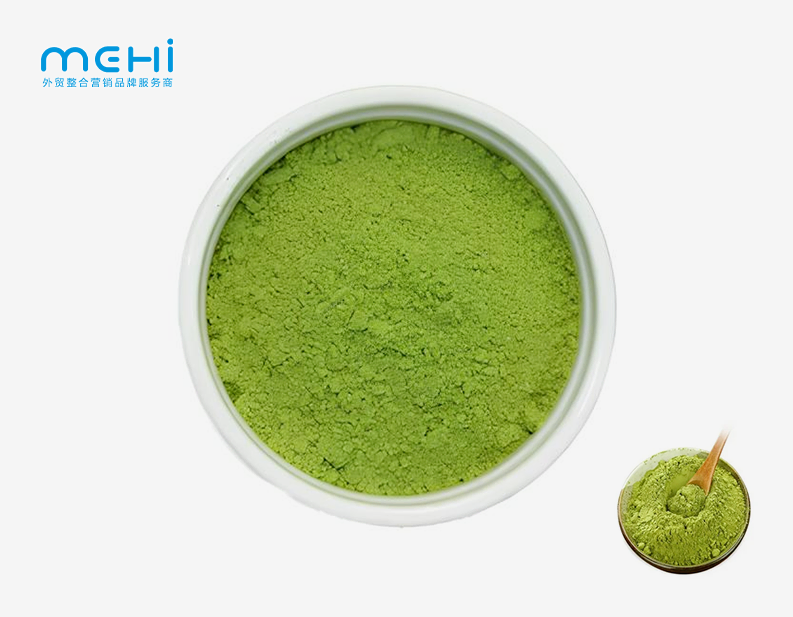
Checking the quality of the matcha powder before buying a lot of it protects your brand's image and makes sure customers are happy. High-quality matcha powder has a bright jade-green color, a smooth texture, and a real umami-sweet taste. These are the things that set premium ceremonial grade apart from lower-quality options. As a buying worker, knowing the verification procedures helps you stay away from fraud, contamination, and batches that aren't consistent, all of which can threaten the stability of the formulation. You can use the information in this complete guide to find good organic matcha powder sources, understand approvals, and put in place quality control measures that meet international standards and your brand's clean-label promises.
Understanding the Importance of Quality Verification in Bulk Organic Matcha Powder
In a competitive market, quality proof is more than just following the rules; it's what sets one brand apart from others. When you buy bulk organic matcha powder for use in functional drinks, cosmetics, or nutrition formulations, the accuracy of the ingredients has a direct effect on how well the product works and how much people trust it.
Why Does Quality Matter for B2B Buyers?
High-quality ceremonial grade matcha powder has a lot of L-theanine (ideally ≥1.5%), catechins, and chlorophyll, which gives your users the health benefits they expect. Lower-quality options often have fillers, chemical residues, or oxidized tea leaves made into a powder that makes them less effective and less safe. These differences make it hard for R&D leaders who are making supplement formulas to know what will happen during stability testing and clinical approval.
The effects on money go beyond the cost of the ingredients. Recalls of products, breaking the law, and bad reviews from customers can all destroy brand value that has been built up over the years. A European nutrition company recently lost $200,000 when they found out that their matcha powder source gave them non-organic materials with fake certificates. The fact that this happened shows that proof cannot be an unnecessary step.
Certification Standards and Regulatory Alignment
Real organic matcha powder has certificates that can be checked to show that it meets the standards of the USDA NOP, the European Organic Standard (EOS), or the JAS. For these licenses to be valid, the food must be able to be tracked from the time it is grown to the time it is processed. Synthetic chemicals, GMOs, and irradiation are not allowed.
In addition to being organic, certificates such as ISO 9001:2015, ISO 22000, and HACCP, Halal, and Kosher show that the quality management system is complete. When evaluating suppliers, you should check these credentials with the organizations that issued them instead of just taking the paperwork that the seller gives you. Since fake certificates are easy to find, they need to be checked by a third party to make sure they are real.
Key Criteria to Verify Quality Before Purchasing Bulk Organic Matcha Powder
Using a structured review method lets you rate the quality of multiple sources in the same way. The following factors give us a way to compare things that we can measure.
Visual and Physical Characteristics
Premium matcha powder has a bright jade-green color that doesn't turn yellow or brown, which are signs of oxidation. The particle size range (80 to 2000 mesh) affects how well finished goods dissolve and how they feel in the mouth. Ceremonial grades usually have smaller mesh sizes (1200–2000 mesh), which makes the appearance smooth when melted without being gritty.
Watch how the powder mixes with water while you're evaluating the sample. Good matcha powder doesn't settle right away; instead, it fairly suspends, making a stable liquid solution. This quality is especially important for apps involving drinks, where separation makes the product look bad.
Laboratory Testing and Nutritional Profiling
Third-party test research takes the guesswork out of judging quality. Ask for thorough testing that includes the following:
- Heavy metal testing (for example, lead, cadmium, mercury, and arsenic) makes sure that the limits set by California Proposition 65 and FDA rules are followed. Microbiological testing shows the lack of bacteria such as Salmonella enterica, Escherichia coli, and Staphylococcus aureus. Pesticide residue testing should find more than 500 chemicals at very low amounts, which proves that organic farming methods work.
- Functional benefits are proven by nutritional analysis. If the L-Theanine level is ≥1.5%, it means that the plant was growing in the shade, which raises the concentration of amino acids. Caffeine levels are usually between 2 and 4 percent, and the amount of total flavonoids and EGCG shows that the food is an antioxidant. These bioactive substances back health claims in marketing materials and allow higher prices.
Sensory Evaluation and Taste Testing
Chemical research can't fully take the place of using your senses. Real matcha powder has a green, seaweed-like smell with sweet notes. It never smells musty or hay-like, which could mean it wasn't stored properly. The taste profile of matcha powder has the right amount of umami creaminess, natural sweetness, and astringency.
Use normal procedures to do a comparative tasting of several items. To make classic usucha (thin tea), mix 1.5 grams of powder with 70 ml of hot water that has been mixed together. Check the color strength, foam quality, mouthfeel, and taste that lingers. This sensory data goes along with the analysis results and shows details that specs alone can't show.
How to Assess and Compare Matcha Powder Suppliers for Wholesale Purchase?
After the original quality check, the long-term success of buying depends on the choice of supplier. A complete assessment looks at many different operating aspects.
Reputation and Industry Standing
Check out a supplier's past by looking at their memberships in trade groups, attendance at trade shows, and customer reviews. Established matcha powder sellers run their businesses in a clear way and keep records of their quality. To get an idea of how well they work in the real world, ask for examples from current clients in related fields, such as cosmetic formulators, functional food brands, or companies that make dietary supplements.
Production Capacity and Flexibility
Check to see if the supplier's production ability matches the quantity you need. A trustworthy partner should be able to show that they can offer at least 10 tons per month, so they are always available even when demand changes. Harvesting matcha powder is affected by changes in the seasons, so sellers who keep track of their stock well avoid running out during busy buying times.
A diverse range of products shows that the seller is knowledgeable. Quality makers give different grades, such as ceremonial (A-5A grade), luxury, and culinary, and can make the specs to fit your needs. Private labeling, custom mixes, and unique package forms help brands stand out when OEM services are available. This freedom is very helpful when introducing new lines of products or joining narrow markets.
Transparency and Documentation
Suppliers who are open and honest always provide full documents. Ask for certificates of analysis (COA) that are special to each batch, copies of the organic certification, and descriptions of the production process. Traceability information should list where the crops were grown, when they were harvested, and where they were processed.
Clear pricing keeps costs from coming up out of the blue. Make it clear if the quotes include security, shipping, and customs taxes. Learn about MOQ and price tiers based on volume. There are often problems with supplier ties that lead to problems during delivery when there are hidden fees or unclear terms.
Step-by-Step Guide to Verifying Bulk Organic Matcha Powder Quality Before Ordering
Initial Information Gathering
Ask for full product details, such as particle size distribution, moisture content, color values (Lab color space measures), and shelf life information. Suppliers should show up with up-to-date allergen statements, organic certificates, and test results from a third party.
Use standard evaluation factors to compare several sources of matcha powder at the same time. Make comparison charts that list qualifications, prices, wait times, and MOQs. This organized method shows trends that help find the best matches.
Sample Testing and Evaluation
Don't commit to large buys until you've tested a sample first. Suppliers with a good reputation will give you free samples, which are usually between 50 and 100 grams and are enough for lab tests and recipe trials. To check for uniformity, ask for samples from more than one production run of matcha powder.
Test both analytically and functionally. Send samples to approved labs (ISO 17025-certified) so they can check for contaminants and make nutritional profiles. Do both the internal sense evaluation and the formulation fit tests at the same time. Check how the powder flows, how it compresses, and how it encapsulates when it's used as a supplement. The people who make cosmetics should check how stable the emulsions are, how long the colors last, and how the cosmetics feel.
Supplier Audits and Factory Visits
If you can, set up on-site checks to look directly at how the work is done. Watch the tools used for handling, the conditions for keeping, and the steps taken to ensure quality. Facilities that are well-run have well-organized processes, good temperature control, and written cleaning procedures.
During trips, talk to people who work in quality assurance about how often tests are done, how records are kept, and how appropriate action is taken. Check the places where raw materials are stored to make sure they follow the FIFO (first-in, first-out) rule and have pest control in place. These observations give us information that records alone can't show us.
Contract Negotiation and Quality Assurance
Include requirements for quality and acceptance right in the buying deal. Set ranges for color values, particle sizes, moisture levels, and bioactive chemicals that are okay. Set up sample rules for new inspections and make sure everyone knows who is responsible for testing.
Include punishments for materials that don't meet the standards and ways to fix batches that were rejected. Clear treaty terms protect both parties and set up rules for who is responsible for what, which stops conflicts before they happen. Make sellers tell you about any changes to the recipe, the way it is processed, or the source materials that could affect quality.
Case Studies: Successful Bulk Organic Matcha Powder Procurement
Multiple Asian providers of matcha powder of different quality caused a lot of problems for a European company that sold health supplements. The color of the products changed a lot between runs, which made customers unhappy and led to more returns. The company put in place strict procedures for screening suppliers, such as asking for batch-specific lab results and auditing every three months. They streamlined their buying by working with a single authorized manufacturer that could supply 10 tons per month and had clear quality control systems in place. The number of happy customers rose by 34% in just six months, and the number of returns dropped below 2%.
In the same way, a cosmetics company in the US that was making anti-aging products needed matcha powder that had stable emulsions and regular antioxidant activity. Their first source gave them ceremonial-grade matcha powder that met their needs, but they didn't have the OEM skills to make custom mesh sizes. Formulation improvement was possible by working with a company that offered full customization, such as specialty 1500-mesh grinding and nitrogen-flush packaging. The final product line had a successful start on the market thanks to its unique positioning based on premium botanical actives, which led to 45% higher profits than competing products.
Conclusion
To check the quality of bulk organic matcha powder, you need to look at things like seller's operating skills, lab testing, certification authenticity, and sensory assessment in a planned way. This multifaceted method safeguards the image of your brand while ensuring consistency in recipe and compliance with regulations. Structured verification procedures, like asking for detailed paperwork, testing samples thoroughly, and building relationships with honest suppliers, can help you reduce buying risks and make the supply chain more reliable. Quality verification is an investment in the purity of the brand that pays off in customer happiness, less waste, and being able to stand out in markets that want more natural, clean-label ingredients.
FAQ
1. What makes ceremonial grade matcha different from cooking grade matcha?
Ceremonial Grade is the best tea. It is made from young leaves picked first thing in the morning and has the smoothest texture (1200–2000 mesh) and brightest jade-green color. It has high amounts of L-Theanine (≥1.5%), which gives it a smooth, naturally sweet taste that works well for making traditional tea. The culinary grade uses later-harvested leaves that are a little more astringent and have a rougher texture (80–1200 mesh). These leaves work better for cooking, baking, or adding when the strong tea flavor balances out other ingredients.
2. Which organic licenses are the most important to get into the US market?
To get into the US market, you still need to be certified by the USDA NOP. This shows that you follow the federal organic guidelines. Buyers are more likely to trust a food safety system that has extra standards like ISO 22000, HACCP, and GMP. Kosher and Halal licenses help businesses reach more specialized customers, and ISO 9001:2015 recognition shows that all of a company's manufacturing processes are managed with complete quality control.
3. When should I pay for tests by a third-party lab?
Before finishing large buy deals, it's important to have testing done by a third party. This is especially true when working with new suppliers or when the COAs given by the suppliers don't include a full analysis. Pesticide testing should confirm that the food is organic; heavy metal and microbe testing should confirm that it is safe; and L-theanine, catechin, and antioxidant testing should confirm that the food is healthy. Quality control is kept up by checking well-known suppliers once a year, and batch testing is used to address specific worries about contamination or consistency.
Partner with Meihao for Verified Matcha Powder Supplier Connections
Meihao is a specialized B2B site that connects buyers from around the world with top Chinese producers in a wide range of fields, such as functional ingredients and plant extracts. We have been recognized as a Google Premier Partner for 2023 and 2024 and won the 2024 Top Google Partner award in Greater China. To make sure the quality of our products and that we follow the rules, we have strict source checking standards for Matcha Powder. Our platform makes it easy to find certified organic suppliers with low prices, full paperwork, and OEM possibilities for use in cosmetics, functional foods, and nutraceuticals. Whether you need ceremonial-grade material with at least 1.5% L-Theanine or unique specs that meet USDA NOP standards, our team can help you with your purchases. You can get in touch with verified makers through somyshare@gmail.com and request free samples to test.
References
1. Weiss, D.J., & Anderton, C.R. (2021). "Determination of Catechins in Matcha Green Tea by Chromatography and Mass Spectrometry." Journal of Agricultural and Food Chemistry, 69(5), 1573-1584.
2. Jakubczyk, K., Kochman, J., Kwiatkowska, A., Kałduńska, J., Dec, K., Kawczuga, D., & Janda, K. (2020). "Antioxidant Properties and Nutritional Composition of Matcha Green Tea." Foods, 9(4), 483.
3. Kochman, J., Jakubczyk, K., Antoniewicz, J., Mruk, H., & Janda-Milczarek, K. (2021). "Health Benefits and Chemical Composition of Matcha Green Tea: A Review." Molecules, 26(1), 85.
4. United States Department of Agriculture. (2022). "National Organic Program Handbook: Guidance and Instructions for Accredited Certifying Agents and Certified Operations." USDA Agricultural Marketing Service.
5. European Food Safety Authority. (2020). "Compendium of Botanicals Reported to Contain Naturally Occurring Substances of Possible Concern for Human Health When Used in Food and Food Supplements." EFSA Journal, 18(5), 6019.
6. Liu, Z., Bruins, M.E., Ni, L., & Vincken, J.P. (2022). "Green and Black Tea Phenolics: Bioavailability, Transformation by Colonic Microbiota, and Modulation of Colonic Microbiota." Journal of Agricultural and Food Chemistry, 70(14), 4238-4249.