- English
- French
- German
- Portuguese
- Spanish
- Russian
- Japanese
- Korean
- Arabic
- Greek
- German
- Turkish
- Italian
- Danish
- Romanian
- Indonesian
- Czech
- Afrikaans
- Swedish
- Polish
- Basque
- Catalan
- Esperanto
- Hindi
- Lao
- Albanian
- Amharic
- Armenian
- Azerbaijani
- Belarusian
- Bengali
- Bosnian
- Bulgarian
- Cebuano
- Chichewa
- Corsican
- Croatian
- Dutch
- Estonian
- Filipino
- Finnish
- Frisian
- Galician
- Georgian
- Gujarati
- Haitian
- Hausa
- Hawaiian
- Hebrew
- Hmong
- Hungarian
- Icelandic
- Igbo
- Javanese
- Kannada
- Kazakh
- Khmer
- Kurdish
- Kyrgyz
- Latin
- Latvian
- Lithuanian
- Luxembou..
- Macedonian
- Malagasy
- Malay
- Malayalam
- Maltese
- Maori
- Marathi
- Mongolian
- Burmese
- Nepali
- Norwegian
- Pashto
- Persian
- Punjabi
- Serbian
- Sesotho
- Sinhala
- Slovak
- Slovenian
- Somali
- Samoan
- Scots Gaelic
- Shona
- Sindhi
- Sundanese
- Swahili
- Tajik
- Tamil
- Telugu
- Thai
- Ukrainian
- Urdu
- Uzbek
- Vietnamese
- Welsh
- Xhosa
- Yiddish
- Yoruba
- Zulu
Apple cider vinegar powder helps you lose weight because it has a lot of acetic acid, which may speed up your metabolism, stop your body from storing fat, and control your hunger. This dehydrated form comes from fermented apples (Malus pumila Mill.), and it still has bioactive chemicals that help control blood sugar levels and make you feel full. This makes it easier to keep the caloric gaps that are necessary for weight management when mixed with healthy living habits.
Understanding Apple Cider Vinegar Powder and Its Role in Weight Loss
What Is Apple Cider Vinegar Powder?
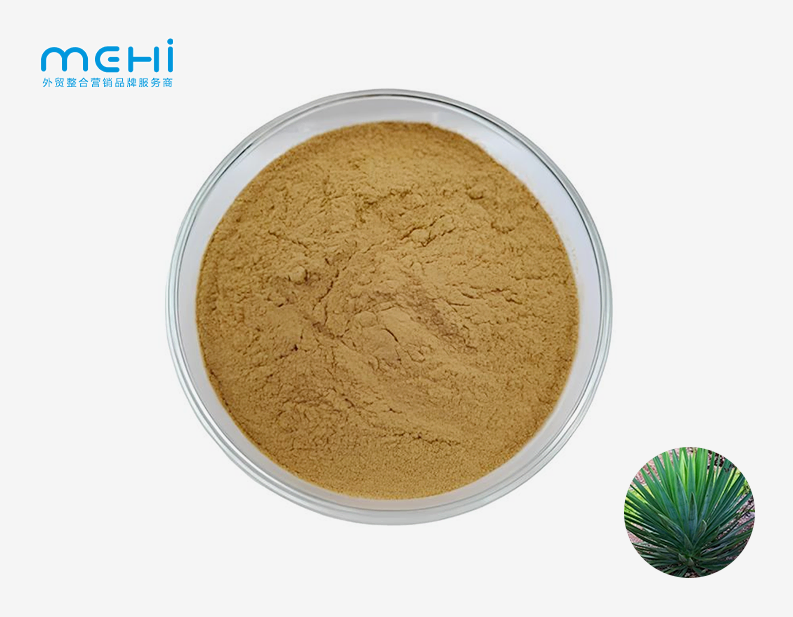
Advanced spray-drying and solvent extraction methods are used to make apple cider vinegar powder, which is a strong and shelf-stable replacement for regular liquid vinegar. This off-white powder has the same useful qualities as its liquid cousin, but it is easier for companies making weight management supplements to use. Standardized acetic acid specs, which come in 5%, 8%, 10%, or custom concentrations, make sure that all production runs have the same amount of potency. This is very important for formulation managers who need to find reliable raw materials.
Carefully controlled drying processes keep beneficial parts like acetic acid, polyphenols, and trace minerals when the substance changes from a liquid to a powder. This way of making things makes an ingredient that is completely water-soluble and can pass through 80-mesh screens. This makes it easy to add to a wide range of delivery systems, from pills to functional drinks. The powder form removes worries about enamel damage caused by acidity that can happen when drinking vinegar, and it has a much longer shelf life than vinegar in a bottle.
Nutritional Profile and Active Components
Acetic acid powder works because it has a concentrated functional property. The main active ingredient is acetic acid, which makes up 5–10% of the powder's makeup, based on the specifications. This organic acid is a key part of metabolic processes that burn fat and keep glucose levels in check. Besides acetic acid, the powder also has polyphenolic chemicals like chlorogenic acid and catechins that act as antioxidants and help keep the metabolism healthy.
Small amounts of amino acids and trace elements like potassium round out the nutrition, but their quantities are still pretty low compared to acetic acid. Understanding this composition is important for R&D leaders who are making goods with specific health claims, since normal HPLC UV testing makes sure that the amounts of active ingredients are correct. This level of analytical rigor helps with regulatory compliance across foreign markets. This is especially important for wholesalers who work in places with strict dietary supplement regulations.
Advantages Over Liquid Apple Cider Vinegar
When manufacturers choose between liquid and dry forms, they have to think about different functional issues. The powder form allows for exact dosing control because it gets rid of the differences that come with measuring liquids, which is a big plus when making standard supplement routines. Since powder doesn't have any water in it, it doesn't add much to the weight or volume of the shipment, which makes foreign purchasing more efficient.
Another strong benefit is that it is stable. Oxidation and bacterial pollution can lower the quality of liquid vinegar while it is being stored and handled, and the same applies to apple cider vinegar powder. On the other hand, powder that has been properly processed stays effective for a long time when kept in the right way. This cuts down on waste and makes it easier to keep track of supplies. Powder is very useful because it can be easily mixed into pills, capsules, sachets, and even functional food structures without adding too much moisture that could damage the product. Because of these useful benefits, nutraceutical businesses are putting more emphasis on powder sources for their formulation processes.
The Science Behind Apple Cider Vinegar Powder's Effectiveness in Weight Loss
How Acetic Acid Influences Metabolism?
Clinical studies have shown that acetic acid changes weight control pathways in a number of ways. Studies in reputable journals show that eating acetic acid turns on AMP-activated protein kinase (AMPK), an enzyme in cells that controls how energy is used. This action speeds up the burning of fatty acids while slowing down the production of fat in liver cells. This makes it easier for the body to store less fat.
Researchers using real people have found that eating acetic acid every day is linked to small but statistically significant drops in body weight, waist size, and abdominal fat over the course of 12 weeks. One important study with 175 people who drank 15–30ml of vinegar every day saw them lose between 2 and 4 pounds of weight and have better cholesterol levels. Even though liquid vinegar was used in these studies, quality apple cider vinegar powder versions contain more acetic acid and give the same or higher amounts in a more convenient form.
Formulation experts should also pay attention to acetic acid's ability to raise body temperature. There is some evidence that eating acetic acid slightly raises energy expenditure by making fat burning faster, but this effect is still not as strong as it is with stimulant-based ingredients. Because of this, acetic acid powder is perfect for clean-label products that target people who want non-stimulant weight management support.
Appetite Regulation and Blood Sugar Control
Acetic acid's effect on controlling hunger is mostly due to its effect on hormone signals and the rate at which the stomach empties. According to research, eating vinegar slows the rate at which food leaves the stomach. This makes fullness signals last longer, which may lead to less food being eaten later. This process is especially useful for supplement companies that are making goods and want to control hunger without using drugs.
Keeping blood sugar in check is another method backed by science. Several studies show that eating acetic acid with carb-heavy foods lowers blood sugar spikes after eating by 20 to 30 percent, which makes insulin sensitivity better. This glucose control helps stop the energy drops and hunger spikes that happen when blood sugar levels change, which indirectly helps with weight management. Formulation managers who are making goods for metabolic health should think about these synergistic benefits when putting acetic acid powder with other ingredients.
Recommended Dosages and Safety Considerations
Based on evidence, the daily dose of acetic acid powder should be between 750 mg and 1,500 mg, which is about 1 to 2 cups of liquid vinegar. Product designers should keep in mind that higher amounts may make sensitive people's stomachs hurt, so it's best to gradually increase the dose in directions for end users. Specifications for high-quality powders that have been tested for acetic acid content allow for exact formulations that target these therapeutic levels.
When used within the limits suggested, safety profiles usually stay good. Some of the possible side effects of apple cider vinegar powder are mild stomach upset, sore throats if you take the non-encapsulated kind, and possible drug combinations with insulin and some diuretics. When it comes to pharmaceutical-grade products, these things make it even more important to have clear labels and the right warnings. Procurement teams should make sure that sellers keep all the paperwork that backs up their claims about the safe use of apple cider vinegar powder, such as toxicology data and descriptions of people who shouldn’t use the product. This information is needed for regulatory reports.
Practical Tips on Using Apple Cider Vinegar Powder for Weight Loss
Product Formats and Integration Methods
Because apple cider vinegar powder is so flexible, it can be delivered in a number of different ways to meet the needs of different customers and production processes. Encapsulation is still the most common form, and veggie pills are a good way to hide the taste and get the right dose. Tablets are another form factor, but because they shrink, you have to be careful about which excipients you use to keep the powder's purity. For quick uses, manufacturers of functional foods can mix powder straight into smoothie mixes, protein powders, or beverage sachets because it dissolves in water 100% of the time.
Formulators can get acetic acid powder in bulk, which gives brands the most freedom to create their own mixes by mixing it with other ingredients that work well together, like green tea extract, chromium, or fiber complexes. This method supports strategies for differentiating brands, which are necessary in supplement markets that are very competitive. 10–20g samples make it possible to test formulations without spending a lot of money. This lets R&D teams see how well the new product will work with current lines of products before going to market volumes.
Optimizing Consumption Timing and Methods
Strategic planning makes the weight loss effects of acetic acid supplements even better. If you eat or drink something 15 to 30 minutes before a meal, the effects on your hunger and blood sugar are strongest. This makes pre-meal routines especially useful. Spreading daily amounts out over several meals spreads the metabolic benefits out over the course of the day instead of focusing them in one time frame.
Combining powders that are properly hydrated is necessary for the best absorption and dissolving. When giving instructions on how to use something, offering 8 to 12 ounces of water per dose keeps the esophagus from getting irritated and helps the medicine spread properly. Adding powder to detox drinks or morning shakes in the morning can help your metabolism, but the powder can be added at any time to fit the needs of different consumers. These useful tips assist procurement teams in advising retail partners on the best way to place products and give directions on how to use them.
Combining with Lifestyle Modifications
When putting acetic acid powder in weight control plans, it's important to set realistic goals. A small amount of weight loss is more likely to be beneficial than a big change, with most people losing between 2 and 5 pounds over 8 to 12 weeks when they are aware of their calorie intake. In marketing materials, the ingredient should be shown as an important part of a broader plan that includes healthy eating and regular exercise.
When you take acetic acid supplements, such as apple cider vinegar powder, along with eating fewer processed carbohydrates and more protein, the benefits are synergistic. The ability to stabilize blood sugar works well with lower-glycemic diets, and the ability to reduce hunger makes it easier to stick to controlled portion guidelines. When a new product comes out, educational material should focus on these lifestyle integration points. This will build trust with customers by being honest and using evidence-based positioning instead of making false claims that could lead to regulatory attention.
Conclusion
Scientists have found that apple cider vinegar powder can help you lose weight by controlling your hunger, speeding up your metabolism, and keeping your blood sugar in check. When choosing ingredients for formulation projects, procurement teams and brand developers should know about quality signs like certification portfolios, concentration standards, and source capabilities. Powder forms are flexible enough to be used in a wide range of products, from pills to functional drinks. This encourages innovation in all areas of nutraceuticals. Dosing based on evidence, setting realistic goals for results, and building smart partnerships with suppliers all set brands up for long-term growth in the competitive health market. As the need for natural weight loss products grows, acetic acid powder is a useful ingredient that has been supported by research, has real manufacturing benefits, and has been sold successfully across multiple channels.
FAQ
1. What dosage of apple cider vinegar powder is effective for weight loss?
A daily dose of 750 mg to 1,500 mg of concentrated acetic acid powder, usually spread out over two or three doses before meals, has been supported by clinical data. In study tests, this range of acetic acid levels has been shown to work. Because everyone's tolerance is different, starting with smaller doses and slowly raising them can help keep digestive problems to a minimum while you figure out your best personal dose.
2. Is powder form as effective as liquid vinegar?
When standardized to the same level of acetic acid, powder gives the same amount of bioactive chemicals as watery vinegar. Quality powder is tested using the HPLC UV method, which makes sure that the strength is checked correctly. The powder form is better for regular supplementation routines because it allows for more accurate dosing, better stability, and no problems with tooth enamel that come with acidic liquids.
3. Are there safety concerns with daily use?
Acetic acid powder is generally safe when used in the amounts that are suggested. Some mild effects that could happen include stomach problems in sensitive people. People who are taking diabetes medicines, diuretics, or medicines to control their potassium levels should talk to their doctors before starting supplements, because they may combine with those medicines. Women who are pregnant or nursing should talk to a doctor before using.
Partner with Meihao for Premium Apple Cider Vinegar Powder Sourcing
Meihao Supply Chain Company joins people in charge of research and development, purchasing, and brand development with certified acetic acid powder producers, including Apple Cider Vinegar Powder, who meet strict international quality standards. Our platform connects vetted Chinese sellers of plant extracts and nutraceuticals with buyers from around the world. It was named a Google Premier Partner for 2023–2024 and a Top Google Partner in Greater China in 2024. We help you evaluate suppliers by checking their full certifications, such as ISO9001:2015, ISO22000, Halal, Kosher, and HACCP credentials. This way, you can be sure that your buying choices are in line with quality standards and legal requirements. Our network includes makers who can meet your needs for large orders for established production lines or sample orders for formulation trials. Their concentrations range from 5% to custom levels, they are 100% water-soluble, and they can consistently supply up to 50,000 kilograms per month. Contact somyshare@gmail.com to get product specs, talk about private label options, or set up shipping of samples.
References
1. Johnston, C.S., Kim, C.M., & Buller, A.J. (2004). "Vinegar Improves Insulin Sensitivity to a High-Carbohydrate Meal in Subjects With Insulin Resistance or Type 2 Diabetes." Diabetes Care, 27(1), 281-282.
2. Kondo, T., Kishi, M., Fushimi, T., & Kaga, T. (2009). "Acetic Acid Upregulates the Expression of Genes for Fatty Acid Oxidation Enzymes in Liver to Suppress Body Fat Accumulation." Journal of Agricultural and Food Chemistry, 57(13), 5982-5986.
3. Ostman, E., Granfeldt, Y., Persson, L., & Björck, I. (2005). "Vinegar Supplementation Lowers Glucose and Insulin Responses and Increases Satiety After a Bread Meal in Healthy Subjects." European Journal of Clinical Nutrition, 59(9), 983-988.
4. Petsiou, E.I., Mitrou, P.I., Raptis, S.A., & Dimitriadis, G.D. (2014). "Effect and Mechanisms of Action of Vinegar on Glucose Metabolism, Lipid Profile, and Body Weight." Nutrition Reviews, 72(10), 651-661.
5. White, A.M. & Johnston, C.S. (2007). "Vinegar Ingestion at Bedtime Moderates Waking Glucose Concentrations in Adults With Well-Controlled Type 2 Diabetes." Diabetes Care, 30(11), 2814-2815.
6. Yamashita, H., Fujisawa, K., Ito, E., Idei, S., Kawaguchi, N., Kimoto, M., Hiemori, M., & Tsuji, H. (2007). "Improvement of Obesity and Glucose Tolerance by Acetate in Type 2 Diabetic Otsuka Long-Evans Tokushima Fatty Rats." Bioscience, Biotechnology, and Biochemistry, 71(5), 1236-1243.