- English
- French
- German
- Portuguese
- Spanish
- Russian
- Japanese
- Korean
- Arabic
- Greek
- German
- Turkish
- Italian
- Danish
- Romanian
- Indonesian
- Czech
- Afrikaans
- Swedish
- Polish
- Basque
- Catalan
- Esperanto
- Hindi
- Lao
- Albanian
- Amharic
- Armenian
- Azerbaijani
- Belarusian
- Bengali
- Bosnian
- Bulgarian
- Cebuano
- Chichewa
- Corsican
- Croatian
- Dutch
- Estonian
- Filipino
- Finnish
- Frisian
- Galician
- Georgian
- Gujarati
- Haitian
- Hausa
- Hawaiian
- Hebrew
- Hmong
- Hungarian
- Icelandic
- Igbo
- Javanese
- Kannada
- Kazakh
- Khmer
- Kurdish
- Kyrgyz
- Latin
- Latvian
- Lithuanian
- Luxembou..
- Macedonian
- Malagasy
- Malay
- Malayalam
- Maltese
- Maori
- Marathi
- Mongolian
- Burmese
- Nepali
- Norwegian
- Pashto
- Persian
- Punjabi
- Serbian
- Sesotho
- Sinhala
- Slovak
- Slovenian
- Somali
- Samoan
- Scots Gaelic
- Shona
- Sindhi
- Sundanese
- Swahili
- Tajik
- Tamil
- Telugu
- Thai
- Ukrainian
- Urdu
- Uzbek
- Vietnamese
- Welsh
- Xhosa
- Yiddish
- Yoruba
- Zulu
Yucca extract is increasingly found in pet care products, from premium dog foods and dietary supplements to specialized wellness treats. This natural botanical ingredient, sourced primarily from the Yucca schidigera plant and related species like Yucca smalliana Fern., contains saponins and polyphenols that support digestive health, reduce odor, and promote joint function in companion animals. Pet nutrition manufacturers value this extract for its multifunctional properties and clean-label appeal, making it a strategic choice for product differentiation in a competitive market.
What Is Yucca Extract and Why Is It Used in Pet Care Products?
Botanical Origin and Active Components
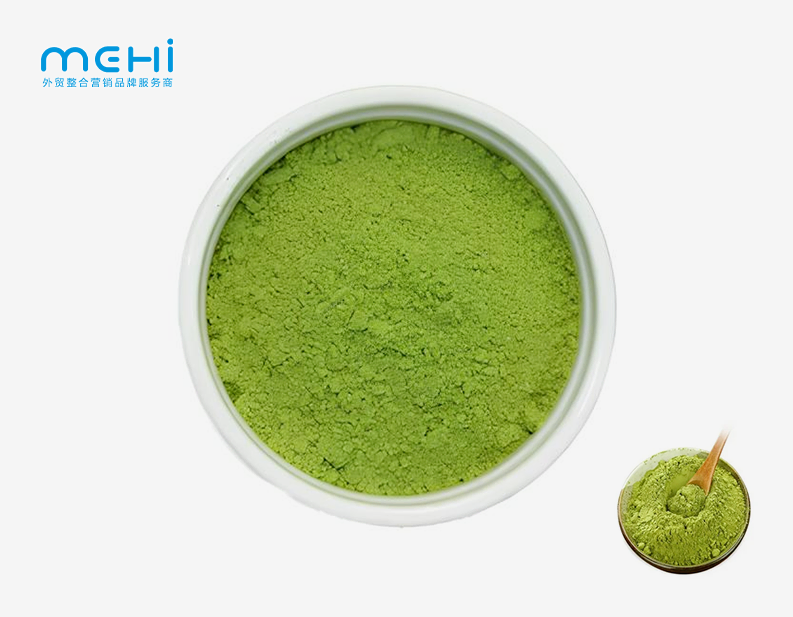
Yucca extract comes from plants that grow naturally in dry parts of North and Central America. The type of plant is Yucca smalliana Fern. It is highly regarded for its high concentration of saponin, which helps the ingredient work biologically. The whole plant is used to make a brown-yellow powder that is guaranteed to have 30% or 60% active chemicals, as determined by UV tests. These saponins are natural cleansers that are good for animal health because they reduce inflammation.
Nutritional Profile and Functional Properties
There are steroidal saponins, polyphenols, and resveratrol-like substances in the yucca extract that work as antioxidants. Researchers have found that these beneficial molecules work with ammonia in the digestive system to help lower the smell of feces and the amount of ammonia that is released. Because of this, the nutrient is very appealing to teams that make pet food and are looking for natural ways to solve common pet care problems. The extract is stable during processing and storage, which makes it even more appealing for large-scale production.
Why Procurement Teams Choose Yucca for Pet Formulations?
Buyers in the business world prefer yucca extract because it meets many recipe goals at once. The element is good for your joints, tastes better, and helps your business by being in a natural place. Quality certificates like ISO 9001:2015, ISO 22000, Halal, Kosher, HACCP, and FAMI-QS give procurement workers peace of mind that the product will be consistent and follow all regulations. Customized specs let companies make goods that exactly meet the needs of their target market, whether they're high-end supplements or low-cost maintenance diets.
How Yucca Extract Supports Pet Health: Key Benefits and Applications?
Anti-Inflammatory Effects for Joint and Mobility Support
Pets that are getting older often have joint pain that makes them less active and lowers their quality of life. The steroidal saponins in yucca extract have been shown to reduce inflammation, which may help with these diseases. Even though it's not an alternative for veterinary care, the ingredient helps with movement and comfort when used at the right amounts (4–8 mg of B50 extract per serving). Because of this benefit, yucca extract can be used with standard joint support nutrients like glucosamine and chondroitin in formulas for older pets.
Digestive Health and Odor Control Advantages
One of the most valuable things about yucca extract for business is that it can bind ammonia and other volatile chemicals in the digestive system. Pet owners often say that the smell of their pets' poop is a big problem, which creates a market demand for answers. The saponin parts help get rid of these smells by stopping ammonia from being absorbed and changed. Clinical findings show that regular addition may reduce the smell of both feces and urine, making the living space better for both pets and their owners.
Comparative Advantages Over Alternative Natural Ingredients
There are clear benefits to using yucca extract in certain situations that make it better than other plants like ginger or aloe vera. Curcumin in turmeric helps with inflammation, but it doesn't get rid of smells. Aloe vera helps the digestive system, but it needs to be carefully processed to get rid of any chemicals that could be unpleasant. Yucca extract is a single ingredient that has a lot of benefits. It is recognized as safe and has simple handling needs. This makes it cost-effective for companies that make complicated medicines with many active chemicals.
Types of Yucca Extract in Pet Products: Powder, Liquid, and Capsules
Powder Formats for Versatile Food Integration
For cat food makers, brown-yellow powder forms are the most popular. Standard mixing tools can be used to easily mix the powder into dry kibble recipes; no special handling is needed. Standardized measurements at 30% or 60% saponin content make it possible to figure out the right dose. Because the powder stays stable during extrusion, the active ingredients can withstand the high temperatures and high pressures that are common in making commercial cat food. This format works well for treats, training prizes, and supplement powders that pet owners put on their pets' food.
Liquid Concentrates for Precise Supplementation
When companies need to give out small amounts of a substance or want to add utility to wet foods and broths, liquid extracts can help. It is easy for the concentrated form to mix in water and spread out evenly in liquid goods. Some supplement companies like to make their products in liquid form so that owners can easily give them to their pets by adding them to their food or water bowls. But liquid forms may need extra protection and usually don't last as long as powder forms. Procurement teams need to keep these things in mind when planning the supply chain.
Capsule and Tablet Applications for Premium Markets
Encapsulated or tableted yucca extract is used in niche markets where pet owners want supplements that look like pharmaceuticals. People who are willing to spend a lot of money on specialized health goods are interested in these forms. Capsules keep the extract from going bad and make doses easier, but they make production more difficult and cost more. To make complete health products, companies that want to be seen as high-end may mix capsule yucca extract with other valuable ingredients like probiotics or omega fatty acids.
Quality concerns go beyond choosing the medium. Organic approval makes natural-focused names more valuable, while standard extracts meet the needs of the mass market at lower prices. Full test data available, which includes heavy metal screening and microbial testing, gives the paperwork needed for regulatory applications and gives customers peace of mind. Free samples let R&D teams test for suitability before buying in bulk, which lowers the risk of making a bad recipe.
How to Source and Purchase Yucca Extract for Pet Care Manufacturing?
Evaluating Supplier Capabilities and Certifications
A thorough evaluation of the seller is the first step to successful buying. Manufacturers should make sure that any possible partners have the right quality certifications that show they follow foreign standards. The ISO9001:2015 certification means that the quality management systems are strong, and the ISO22000 certification talks about food safety management in particular. The FAMI-QS certification shows that a company meets the European standards for feed additives, which is very important for businesses that sell their products in or ship to Europe. With Halal and Kosher approvals, you can reach more people in the market who have special food needs.
Buyers should look at more than just certificates when they are making a decision, including for yucca extract. Can the seller give you all the scientific data, such as UV spectrophotometry results, that prove the presence of saponin? Does the maker offer customized specs to meet the needs of each formulation? Giving away free samples shows that you believe in the quality of the product and lets you make a full assessment before making a big purchase. For legal compliance and quality assurance programs to work, suppliers must keep thorough records that can be used to track plants from their source to their final packaging.
Understanding Price Structures and Market Trends
Botanical extract prices change based on how much is grown, how much it costs to process, and how much demand there is in the market. Prices for yucca extract have stayed pretty steady compared to some other herbs because the plant can survive drought and is grown in a standard way. Price breaks happen at different levels, so buying in bulk usually saves you a lot of money. People who work in procurement should ask for thorough quotes that include:
- Minimum order amounts and the price levels that go with them
- How long does it take to make something and ship it internationally
- Different types of packaging that meet the needs of storage and handling
- Terms of payment and currency issues
- There is technical help available for formulation questions.
Having ties with a number of qualified providers lowers the risk in the supply chain. Changes in the market, the weather, or the rules can all mess up single-source plans, which could cause production dates to be pushed back.
Private Label Opportunities for Brand Differentiation
Some companies offer private-label services where they package yucca extract with the buyer's brand in mind. Companies can get into the market quickly without having to spend money on handling equipment thanks to this deal. Private label relationships are useful for businesses that want to see how the market reacts before going big or when the amount of production doesn't warrant their own processing facilities. Both sides can protect their interests in these deals by having clear agreements about quality standards, testing procedures, and terms of secrecy.
Regulatory and Safety Considerations When Incorporating Yucca Extract in Pet Products
Global Regulatory Landscape for Pet Food Ingredients
Different big markets have very different regulatory needs. In the US, the Association of American Feed Control Officials (AAFCO) sets the standards for how ingredients should be used and how they should be defined. Yucca extract can be used as an ingredient in cat food as long as it comes from the right plants and is made in a certain way. Through its feed additive authorization system, the European Union has tougher pre-approval standards. Ingredients must show that they are safe and effective through detailed dossiers.
Asian markets have a wide range of legal settings. Japan needs foreign companies that make food to work with approved importers who make sure the food meets Japanese food safety standards. Food Standards Australia New Zealand (FSANZ), which keeps strict rules for pet food ingredients, is the group that Australia and New Zealand work through. Companies that make goods for more than one market have to deal with these different standards, which is why supplier paperwork and certification are so important.
Safety Data and Appropriate Usage Levels
When used at the recommended amounts, yucca extract has great safety ratings. Animals like dogs, cats, and other pets have been fed large amounts of supplements with saponin content, and no negative effects were observed. Depending on the size of the animal and the type of food, the usual amount of standardized extract added is between 4 and 8 mg per dose. For sensitive people, taking too much may cause slight stomach problems. This shows how important it is to have accurate formulation and clear dosing directions.
Manufacturers must keep records showing that their ingredients are safe, such as chemical data and the highest levels of use that are safe. These records back up regulatory applications and protect you from harm. Companies that are responsible test their products for stability to make sure that the active ingredients stay within the limits of what is allowed for the entire shelf life of the product when stored normally.
Labeling Requirements and Responsible Marketing Claims
Labels that are honest help customers believe the product and make sure that it follows the rules, including for yucca extract. Yucca extract must be correctly mentioned as an ingredient on product labels, usually as "Yucca schidigera extract" or a related botanical name. Health claims need to be carefully thought through. Claims that support joint health or reduce odor are fine as long as they are backed up by proof. However, disease treatment claims are more like veterinary medicine and need to be approved by the government.
Conscious customers like it when companies are clear about where their ingredients come from. In crowded markets, expensive goods stand out by mentioning certificates, standardization methods, and quality assurance practices. Companies shouldn't make claims that are too good to be true because that will make regulators or customers suspicious. Working with regulatory consultants who know about pet food law is a good way to make sure that all of your marketing materials are legal in all of your target markets.
Conclusion
Recently, yucca extract has become known as a useful ingredient in modern cat care products. Its natural origin, ability to serve multiple purposes, and well-known safety rating make it a good choice for consumers who want clean-label items that also help their health in a meaningful way. The extract helps with real pet health issues like joint pain, gut health, and bad smells. This makes it marketable in a wide range of product types, from basic maintenance meals to high-end wellness supplements.
To do procurement right, you need to pay close attention to the skills of the suppliers, the product specs, and the rules and regulations. Manufacturers can source with confidence when they can get full certificates, full analytical data, and personalized specs. As the pet care market continues to focus on natural ingredients and useful nutrition, plant extracts like yucca extract will become more important in coming up with new products and ways to set one brand apart from others.
FAQ
1. What role does yucca extract play in pet odor control?
In the digestive system, the saponin compounds in yucca extract bind ammonia, which stops it from turning into smelly chemicals. This process lowers the smells of both feces and urine that pet owners don't like. After two to three weeks of regular use, most people can see the benefits of taking supplements.
2. What are the recommended dosages for yucca in pet supplements?
Standard doses are between 4 and 8 mg of B50 pure extract per meal, which is based on the weight of the animal. Smaller pets need lower doses, while bigger breeds need higher ones. To ensure safe and effective use, manufacturers should include clear dose charts based on weight ranges.
3. How does yucca extract compare to glucosamine for joint support?
These ingredients all work in different ways, but they often work better together. Glucosamine helps cartilage heal by giving it structure, and yucca extract heals by reducing inflammation. Both chemicals are used in a lot of formulas because they help joint health in a lot of different ways.
Partner with Meihao for Premium Yucca Extract Sourcing
Meihao connects international pet care manufacturers with certified yucca extract suppliers in China who meet the most demanding quality standards. As a Google Premier Partner for 2023 and 2024 and recipient of the 2024 Top Google Partner award in Greater China, we bring unmatched expertise in B2B supplier verification and procurement facilitation. Our platform specializes in helping nutraceutical companies, pet food manufacturers, and supplement brands identify reliable yucca extract suppliers offering complete certification documentation, customizable specifications, and competitive bulk pricing.
Whether you need standardized 30% or 60% saponin content powder, require specific certifications like FAMI-QS for European markets, or seek private label manufacturing partnerships, our verified supplier network delivers solutions tailored to your formulation requirements. We understand the critical importance of batch consistency, complete test data, and regulatory compliance in pet nutrition manufacturing. Connect with our team at somyshare@gmail.com to discuss your yucca extract sourcing needs and discover how our supplier partners provide the quality assurance and technical support essential for successful product launches.
References
1. Cheeke, P.R. (2000). "Actual and Potential Applications of Yucca schidigera and Quillaja saponaria Saponins in Human and Animal Nutrition." Journal of Animal Science, Volume 78, Issue 6.
2. Mader, T.L. & Brumm, M.C. (1987). "Effect of Feeding Sarsaponin in Cattle and Swine Diets." Journal of Animal Science, Volume 65, Issue 1.
3. National Research Council (2006). "Nutrient Requirements of Dogs and Cats." National Academies Press, Washington D.C.
4. Oleszek, W.A. & Marston, A. (2000). "Saponins in Food, Feedstuffs and Medicinal Plants." Kluwer Academic Publishers, Dordrecht, Netherlands.
5. Roque, J.A. & Santiago, H.R. (2018). "Natural Products in Pet Nutrition: Applications and Regulatory Considerations." Pet Food Industry Journal, Volume 12, Issue 3.
6. Wallace, R.J., Arthaud, L. & Newbold, C.J. (1994). "Influence of Yucca schidigera Extract on Ruminal Ammonia Concentrations and Ruminal Microorganisms." Applied and Environmental Microbiology, Volume 60, Issue 6.