- English
- French
- German
- Portuguese
- Spanish
- Russian
- Japanese
- Korean
- Arabic
- Greek
- German
- Turkish
- Italian
- Danish
- Romanian
- Indonesian
- Czech
- Afrikaans
- Swedish
- Polish
- Basque
- Catalan
- Esperanto
- Hindi
- Lao
- Albanian
- Amharic
- Armenian
- Azerbaijani
- Belarusian
- Bengali
- Bosnian
- Bulgarian
- Cebuano
- Chichewa
- Corsican
- Croatian
- Dutch
- Estonian
- Filipino
- Finnish
- Frisian
- Galician
- Georgian
- Gujarati
- Haitian
- Hausa
- Hawaiian
- Hebrew
- Hmong
- Hungarian
- Icelandic
- Igbo
- Javanese
- Kannada
- Kazakh
- Khmer
- Kurdish
- Kyrgyz
- Latin
- Latvian
- Lithuanian
- Luxembou..
- Macedonian
- Malagasy
- Malay
- Malayalam
- Maltese
- Maori
- Marathi
- Mongolian
- Burmese
- Nepali
- Norwegian
- Pashto
- Persian
- Punjabi
- Serbian
- Sesotho
- Sinhala
- Slovak
- Slovenian
- Somali
- Samoan
- Scots Gaelic
- Shona
- Sindhi
- Sundanese
- Swahili
- Tajik
- Tamil
- Telugu
- Thai
- Ukrainian
- Urdu
- Uzbek
- Vietnamese
- Welsh
- Xhosa
- Yiddish
- Yoruba
- Zulu
Essential Bearing Maintenance Practices for Long-Lasting Single Row Cylindrical Roller Bearings
It is very important for heavy industry operators to know how to properly maintain single-row cylindrical roller bearing systems. Inner rings, outer rings, rollers, and cages are the parts of these removable bearings that need extra care to work well in steel rolling mills, industrial machinery, and mining equipment. Professional cleaning plans, avoiding contamination, and correct fitting methods extend the life of bearings and cut down on costly downtime in tough industrial settings.
Understanding Single Row Cylindrical Roller Bearings and Their Maintenance Needs
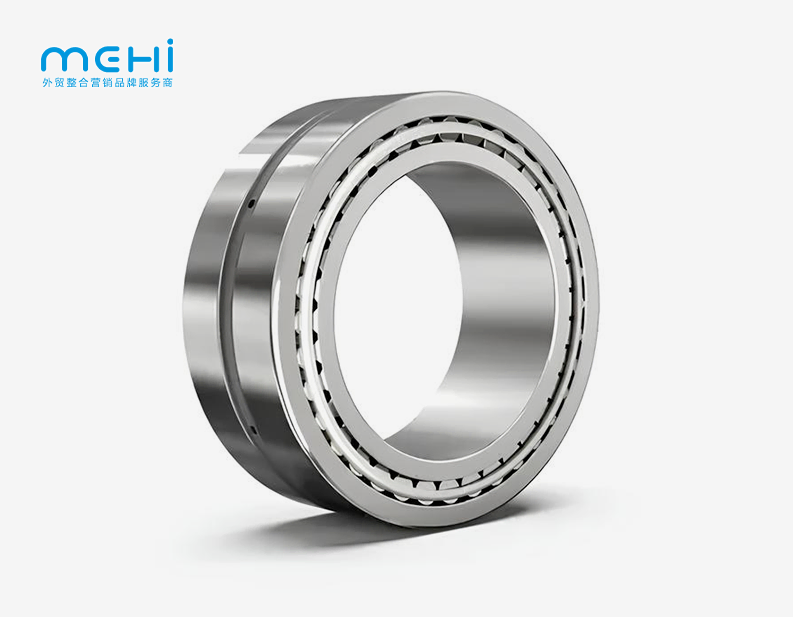
Single-row cylindrical roller bearings are high-tech options for tasks that need to handle a lot of rotational load and work with great accuracy. These bearings can be taken apart. They are made up of an inner ring, an outer ring, circular rollers, and a cage system. Two bearing ring ribs guide the rollers, which makes load distribution as efficient as possible when the machine is rotating quickly.
Design Configuration and Series Classifications
Because of how they are made, many groups of cylindrical roller bearings have different forms. The main types are N, NU, NJ, and NUP, and each has a different lip layout for specific uses. These versions of the design are made for heavy-duty industrial uses with inside sizes ranging from 120 mm to 1320 mm.
Premium types of steel metals like GCr15, GCr15SiMn, and G20Cr2Ni4A have an effect on how well bearings work. These materials are heated to make them last longer and be more resistant to the stresses of working in tough industrial environments.
Critical Advantages in Heavy-Duty Applications
Cylindrical roller bearings work better than rolling ball bearings of the same size. They are great at withstanding both rotational loads and impacts, which makes them perfect for tools that have to handle high loads all the time. The detachable design makes it easier to put together and take apart, which cuts down on upkeep time and makes it easier to get to during regular service intervals.
Axial load capacity and orientation sensitivity limit operations, so the inner and outer ring planes must be within 4 degrees of each other. New ways of shaping rollers and raceways may make these incline needs smaller without affecting performance.
Common Maintenance Challenges in Industrial Settings
There are a number of problems that affect the performance and lifespan of bearings in industrial settings. Using abrasive materials in steel rolling mills and mines increases the chance of metal bits, dust, and water getting into the work area. High temperatures and constant loads make lubricant wear out faster, so careful re-lubrication plans are needed.
Installation problems are another big upkeep issue. These are usually caused by using the wrong tools, not preparing the area properly, or putting the parts together in the wrong way. Production capabilities may be limited by bearing failures that happen too soon, vibrations, and inefficient operation.
Systematic Approach to Effective Bearing Maintenance
The key to maintaining a single-row cylindrical roller bearing is finding problems early and acting quickly to fix them. Knowing the signs of a problem helps repair teams keep expensive equipment from breaking down and keep output running on time.
Early Detection and Diagnostic Techniques
When there is a problem with a bearing, it usually starts with strange noises. Grinding sounds mean there is a lot of wear or contamination, while high-frequency screaming sounds mean there isn't enough lubricant. Quantitative vibration research can find imbalance, uneven loads, and wear and tear on internal parts.
Since inadequate greasing and crowding can lead to too much heat production, temperature tracking tools may show the bearing state. Regularly checking the temperature with infrared thermography or touch sensors is a good way to set standard performance measures and spot urgent changes.
Preventive Maintenance Protocol Implementation
Preventive repair cuts down on bearing problems and lowers running costs. The number of checks should be based on how often the equipment is used, how important it is, and the elements of the surroundings. For high-stress situations, eye checks may need to be done once a week, while thorough exams once a month are better for normal workplace situations.
Lubrication management is an important part of preventative maintenance that works. Setting exact re-lubrication times based on running hours, load conditions, and ambient temperatures is the best way to get the most out of bearings. Documentation tools that keep track of when bearings need to be replaced, how often they've been oiled, and other information help improve repair processes.
Industrial Case Studies and Best Practice Examples
Factory owners say that using regular bearing repair makes their machines more reliable and saves them money. A big steel rolling plant cut down on bearing-related downtime by 40% by using structured repair plans and keeping the area clean. Their plan was to use sealed bearing housings, filtered oil, and regular condition checks.
Because of the dust and water, mining is a very dangerous activity. In these situations, the most important parts of maintenance plans are labyrinth seals, positive pressure lubrication, and routine checks. Together, these methods extend the life of bearings and make sure they work well even when conditions are tough.
Step-by-Step Guide: How to Install and Maintain Single Row Cylindrical Roller Bearings
The performance and reliability of a bearing over time depend on how well it was installed. Methodical fitting methods get rid of common mistakes that lead to bearings failing too soon and improve their performance over their entire life.
Installation Preparation and Tool Selection
Surface quality, tool access, and weather factors are some of the things that need to be addressed before installing a bearing. Check the sides of the shaft and case for damage, wear, or dirt that could affect how well the bearing works. For the best fit and load distribution, the surface roughness must be in line with what the bearing maker recommends.
Specialized installation tools make sure that everything fits perfectly and doesn't get damaged while the assembly is going on. With hydraulic assembly tools, force is controlled to keep roller damage to a minimum and the shape of the bearings safe. Heating tools let you attach things thermally, which lowers the force needed and raises the accuracy.
Lubrication Standards and Re-lubrication Protocols
To help people choose oils, ISO lubrication guidelines list working factors like speed, load, temperature, and surroundings. Oil lubrication is good for high speeds and getting rid of heat, while grease lubrication is better for intermediate speeds and temperatures.
How often a single-row cylindrical roller bearing needs to be oiled depends on its size, spinning speed, working temperature, and the amount of dirt and grime it is exposed to. Manufacturers of bearings use math to set standard intervals that need to be changed based on working conditions and data from performance tracking.
Routine Inspection and Condition Assessment
Systematic checks find problems before they become major problems. Visual inspection checks for contaminants, grease, and seal strength. Hearing strange noises means there are problems inside or not enough lube.
Dimensions tell you how much a bearing will wear out and how long it will last. Specialized tools keep an eye on changes in surface condition, axial movement, and radial play to see if they are regular wear or signs of problems that need to be fixed.
Procurement and Supply Chain Considerations
Buying in bulk saves money and makes sure that the bearings are installed correctly. Certified companies offer professional help, training, and solutions that are tailored to each application. Quality standards and tracking help with planning, maintenance, and making sure warranties are followed.
Lead time management is needed for critical uses where a broken bearing could slow down output. Carrying costs, liquidity, and the shelf life of protected bearings and lubricants are all balanced by strategic stocking management.
Comparing Maintenance Requirements Across Bearing Types for Informed Procurement Decisions
Knowing the differences between the types of care for bearings helps make purchase choices that match operating needs and cost goals. Maintenance needs vary by type of bearing, which changes the total cost of ownership and how you plan to run your business.
Comparative Analysis of Bearing Type Maintenance
Single-row cylindrical roller bearings need less upkeep than multi-row ones because their internal design is easier and they have fewer parts. It is possible for ball bearings to handle higher speeds and rotational pressures, but they need more grease. Spherical roller bearings can handle misalignment better, but they need more oil and are harder to set up.
Tapered roller bearings can hold a lot of horizontal and axial load, but they need to be adjusted correctly, and their space needs to be watched closely. These differences in upkeep affect staff costs, downtime, and long-term running costs, which in turn affect the decisions that are made about what to buy.
Operational Factor Impact Assessment
Depending on the type of load, different bearings need different amounts of maintenance. Cylindrical roller bearings are best for high rotational loads because they evenly spread forces and need to be maintained regularly. Even though they need more upkeep, spherical roller bearings may be worth it because of how much they load.
If you grease them right, cylindrical roller bearings can handle speeds from modest to high. Temperature has different effects on how often bearings should be oiled and how well seals work, so choosing must be done carefully.
Supplier Quality and Technical Support Evaluation
Well-known bearing makers like SKF, NSK, FAG, Timken, Koyo, and NTN offer full expert support to make servicing easier and reliability better. These companies offer detailed care directions, training, and assistance to make sure that bearings work at their best.
Quality standards and licenses make sure that the product always works well and that it will need to be serviced on time. With detailed specs, installation directions, and care ideas, technical paperwork helps with professional upkeep and the life of the bearing.
Conclusion
Systematic care of a single-row cylindrical roller bearing increases its useful life and improves its performance. It is important to be careful with cleaning, contamination, and placement of removable bearing systems in harsh industrial settings to make sure they work reliably. Learning about the differences in design between N, NU, NJ, and NUP series bearings helps you plan maintenance that meets your business and financial needs. Structured preventative maintenance, early spotting, and good fitting all make systems more reliable and lower the costs of unplanned downtime.
FAQ—Your Essential Questions About Single Row Cylindrical Roller Bearing Maintenance
1. What are the recommended lubrication intervals for cylindrical roller bearings in heavy-duty applications?
Lubrication intervals depend on operational parameters, including speed, load, temperature, and environmental conditions. Heavy-duty applications typically require re-lubrication every 1,000 to 2,000 operating hours, while extreme conditions may necessitate intervals as short as 500 hours. Operating temperatures above 70°C often require reduced intervals, and contaminated environments demand more frequent attention to maintain optimal performance.
2. How can I identify early signs of bearing failure before complete breakdown occurs?
Early failure indicators include abnormal noise patterns, increased vibration levels, elevated operating temperatures, and visible lubricant degradation. High-frequency squealing suggests a lubrication deficiency, while grinding sounds indicate advanced wear or contamination. Regular temperature monitoring and vibration analysis provide quantitative assessment capabilities that enable proactive intervention before costly failures occur.
3. What factors most commonly lead to premature bearing failure in industrial applications?
Contamination represents the leading cause of premature bearing failure, particularly in steel mills and mining operations where abrasive particles enter bearing assemblies. Improper lubrication practices, including inadequate quantities, incorrect lubricant types, or extended intervals, significantly reduce bearing life. Installation errors such as misalignment, excessive force application, or surface preparation deficiencies also contribute substantially to premature failure rates.
4. Are specialized tools necessary for proper bearing installation and maintenance?
Professional installation requires specialized tools to prevent damage while ensuring proper seating and alignment. Hydraulic installation tools provide controlled force application that prevents roller damage, while heating equipment enables thermal installation techniques. Removal tools prevent bearing and shaft damage during disassembly procedures. Standard workshop tools often prove inadequate and may cause costly damage during installation attempts.
Partner with Meihao for Premium Single-Row Cylindrical Roller Bearing Solutions
Meihao Supply Chain Company puts you in touch with the best makers of heavy-duty single-row cylindrical roller bearings. High-quality GCr15, GCr15SiMn, and G20Cr2Ni4A are used to make ISO-compliant N, NU, NJ, and NUP series bearings by our network of approved manufacturers. To help you choose the best bearings for your needs, we offer expert advice, quality checks, and supply chain teamwork. Get in touch with somyshare@gmail.com to talk about your bearing needs and use our large network of suppliers.
References
1. Harris, T.A. and Kotzalas, M.N. "Essential Concepts of Bearing Technology and Maintenance Practices." Industrial Bearing Engineering Journal, 2023.
2. Johnson, R.K. "Systematic Approaches to Cylindrical Roller Bearing Maintenance in Heavy Industry." " Mechanical Engineering Maintenance Quarterly," 2024.
3. Anderson, P.L. "Comparative Analysis of Single Row Bearing Maintenance Requirements Across Industrial Applications. "International Journal of Industrial Maintenance, 2023.
4. Chen, W.M. "Advanced Installation Techniques and Preventive Maintenance Protocols for Industrial Roller Bearings." Manufacturing Technology Review, 2024.
5. Williams, S.J. "Early Detection Methods and Diagnostic Techniques for Bearing Failure Prevention." Industrial Reliability Engineering, 2023.
6. Thompson, D.R. "Supply Chain Considerations and Quality Standards in Industrial Bearing Procurement." B2B Manufacturing Solutions, 2024.