- English
- French
- German
- Portuguese
- Spanish
- Russian
- Japanese
- Korean
- Arabic
- Greek
- German
- Turkish
- Italian
- Danish
- Romanian
- Indonesian
- Czech
- Afrikaans
- Swedish
- Polish
- Basque
- Catalan
- Esperanto
- Hindi
- Lao
- Albanian
- Amharic
- Armenian
- Azerbaijani
- Belarusian
- Bengali
- Bosnian
- Bulgarian
- Cebuano
- Chichewa
- Corsican
- Croatian
- Dutch
- Estonian
- Filipino
- Finnish
- Frisian
- Galician
- Georgian
- Gujarati
- Haitian
- Hausa
- Hawaiian
- Hebrew
- Hmong
- Hungarian
- Icelandic
- Igbo
- Javanese
- Kannada
- Kazakh
- Khmer
- Kurdish
- Kyrgyz
- Latin
- Latvian
- Lithuanian
- Luxembou..
- Macedonian
- Malagasy
- Malay
- Malayalam
- Maltese
- Maori
- Marathi
- Mongolian
- Burmese
- Nepali
- Norwegian
- Pashto
- Persian
- Punjabi
- Serbian
- Sesotho
- Sinhala
- Slovak
- Slovenian
- Somali
- Samoan
- Scots Gaelic
- Shona
- Sindhi
- Sundanese
- Swahili
- Tajik
- Tamil
- Telugu
- Thai
- Ukrainian
- Urdu
- Uzbek
- Vietnamese
- Welsh
- Xhosa
- Yiddish
- Yoruba
- Zulu
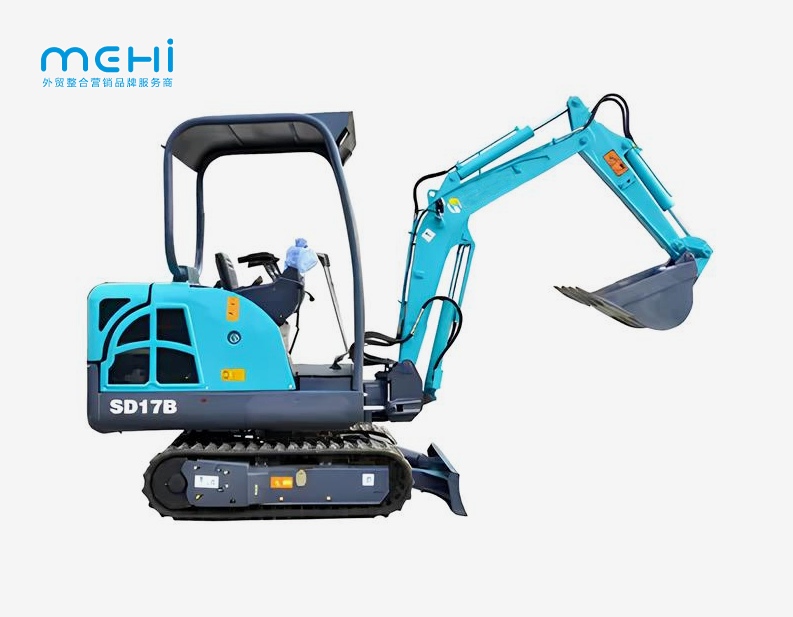
When planning light-duty excavation jobs in crowded cities or residential areas, workers who want to stick to a budget need to know how much it costs to rent small equipment. For trenching, foundation work, and gardening projects without breaking the bank, a 1.6 Ton Mini Excavator provides excellent manoeuvrability. The daily rental price is usually between $200 and $350, but it depends on where you rent, how long you rent for, and what extras are included. The weekly rental price is a better value at $700 to $1,200. To help small contractors, landscaping professionals, and city care teams choose equipment that works well and doesn't cost too much, this guide breaks down price structures, working benefits, and buying strategies.
Understanding Modern B2B Procurement Trends in Compact Equipment
In the last five years, the market for renting building tools has changed a lot, especially for small machines that weigh less than two tonnes. Digital platforms now control most of the buying process. Within minutes, contractors can use mobile apps to compare specs, check availability, and book rentals. This move toward sourcing that is driven by technology is in line with larger B2B trends that say speed and openness are what make a business competitive.
The Rise of Direct Manufacturer Connections
Procurement professionals are talking to manufacturers and authorized sellers more and more instead of just buying from local yards with limited stock. With this method, people can still get newer models with better features without having to pay as much for middlemen. Equipment World says that 42% of small builders now look up the specs of equipment online before they rent it. For example, they look at how deep, far, and how efficiently fuel is used by different brands.
Data-Driven Decision Making for Equipment Selection
Teams that are good at procurement look at more than just the rental rates when figuring out the total cost of ownership. They figure out things like how many cubic yards are moved per hour, how much fuel is used, and how long repair breaks are. With its 1600 kg working weight and Euro 5 EPA-compliant Koop 7KW diesel engine, the MK16 Mini Excavator is a great example of this value offer. It works reliably and meets the strict emission standards needed on urban job sites.
Key Challenges in Global Procurement and How to Overcome Them
It's not easy to find cheap 1.6 Ton Mini Excavator rentals, which can slow down a job or cost a lot of money. There are still issues with the supply chain that make it hard to get tools, especially from April to October, which is the busiest time for building. For builders, rental companies often don't have enough of the most popular small models. This means they have to settle for less-than-ideal choices or pay extra for fast service.
Navigating Pricing Volatility
Rental rates change based on demand in the area, the price of fuel, and the age of the equipment. Rates are 20–30% higher in coastal cities like Los Angeles and New York than in mid-sized cities. This is because of the higher costs of transportation and real estate. Contractors get around these problems by planning ahead: during busy times, they book tools two to three weeks in advance and negotiate multi-week deals that cut daily rates by 15 to 25 percent.
Compliance with Operational Standards
Equipment on modern job sites has to be certified safe and follow environmental rules. Quality 1.6 Ton Mini Excavators have a hydraulic pilot valve control system that makes it easy to move the bucket precisely. This keeps the operator from getting tired and increases safety around underground utilities. To avoid legal problems, rental deals should make it clear that the equipment has the right guarding, working backup alarms, and up-to-date inspection certificates.
Leveraging Technology for Efficient Procurement Processes
Smart workers use digital tools to make it easier to find goods and run their businesses more efficiently. Mid-range and high-end excavators now come with telematics systems that keep track of real-time fuel use, engine hours, and maintenance alerts. This helps rental companies keep their fleets in better shape. These technological integrations are good for renters because they lower the risk of breakdowns and make billing more accurate by basing it on actual usage instead of estimated time blocks.
Cloud-Based Rental Platforms Transform Accessibility
Multiple rental companies' inventory is put together in online marketplaces, which show technical specs, customer reviews, and clear prices. Platforms let you compare important factors side-by-side, like the difference between competitors' maximum digging distances of 2920 mm and your own, or the benefit of a 0.02CBM bucket capacity for precise trenching work. This makes it possible for procurement choices to be based on objective performance data instead of just ties with vendors.
Mobile Apps Enhance Jobsite Coordination
Field teams use smartphone apps with GPS tracking, digital inspection forms, and quick chat with rental managers to plan when to deliver and pick up equipment. This connectivity cuts down on misunderstandings that used to cause delivery delays or arguments about the condition of equipment. Photos and electronic signatures used as proof protect both renters and sellers, making everyone responsible during the rental period.
Criteria for Selecting Reliable B2B Suppliers
When picking a supplier for tools, you need to look at more than just the rental rates that are offered. When a supplier is financially stable, they can keep their goods up to date and keep their end of the deal during multi-month tasks. Quality certifications show that you are committed to maintenance standards that keep projects from breaking down in the middle of them. It's important to have responsive customer service when technical questions come up or when changes to the schedule require you to be flexible.
Assessing Technical Specifications Against Project Requirements
It says that the MK16 Mini Excavator has specs that make it good for light-duty work. It can dig as deep as 1710 mm, which means it can be used for foundation work in homes and for putting in utilities up to six feet below grade. You can load things into normal dump trucks without having to move them because the digging depth goes up to 2690 mm. A counterbalance made of an iron shell keeps the boom stable when it is stretched out to its full length of 2920 mm. That way, the machine won't fall over when side-loading, which is common in small city lots.
When gardening around buildings that are already there, these features make things easier for the people who do the work. With its small size and light weight, it can be pulled behind regular equipment trucks without a business driver's license or an overweight permit. It can also fit through 36-inch gates that are popular in private backyards.
Evaluating Supplier Reputation Through Verifiable Metrics
Reliable providers of a 1.6 Ton Mini Excavator keep clear records of repair, write down when parts need to be replaced, and tell you up front how old the equipment is. Machines that have been used between 2,000 and 3,000 hours are usually the best balance between low cost and mechanical dependability. When suppliers offer same-day delivery within 50-mile service areas, it shows that they have the logistical skills to keep projects from being delayed, which can be very expensive. Customer testimonials that specifically mention quick breakdown service and accurate billing show that the company is reliable.
Best Practices for Sustainable and Ethical Procurement
As more cities and towns require green buildings, environmental responsibility plays a bigger role in buying equipment. Euro 5 and EPA-compliant engines cut particulate emissions by 40% compared to older Tier 3 models. This makes them necessary for projects in areas where air quality isn't meeting standards. Designs that use less fuel lower running costs and leave smaller carbon footprints, which meet both economic and environmental goals.
Balancing Cost-Efficiency with Environmental Standards
Contractors are under a lot of pressure to keep project costs low while still meeting bid specifications that require sustainability. Modern 1.6 Ton Mini Excavators fill in this gap thanks to changes in engineering that make them use less fuel without lowering their hydraulic performance. The MK16's 7KW diesel engine uses about 1.2 to 1.5 gallons of fuel per hour during normal work rounds. At today's diesel prices, this means that the fuel costs $6 to $8. This model is 20–25% more efficient than older ones, which saves a lot of money over longer rental periods.
Supporting Ethical Supply Chain Practices
Buying things has moral implications that go beyond the immediate needs of the project. Responsible business practices include buying tools from sellers that show they follow labour standards and care for the environment. Transparent suppliers tell you where their products are made, where their parts come from, and how they check the quality of their products. With this knowledge, contractors can help companies in ways that are in line with their ideals and what their ideals and what their clients expect.
How Meihao Supports Your Procurement Success
When you're trying to buy building tools, it can be hard to know who to trust. You need people who understand both the technical needs and the business concerns. Meihao is a business-to-business website that helps workers in North America find approved manufacturers and sellers of cheap 1.6 Ton Mini Excavators. Meihao does not sell equipment directly. Instead, it creates the digital infrastructure that makes it simple for buyers to find suppliers, compare specs, and talk to manufacturers directly.
Some of the biggest problems in procurement can be solved by our platform. Strict screening methods for sellers look for quality certifications, the ability to make things, and compliance with international standards. Looking for companies that sell 1.6-ton mini excavators? Each of the listings we've carefully chosen has clear pricing information, verified customer reviews, and full technical specs. When you buy from other countries, there is a lot of risk. This method takes away that risk while still giving you cost advantages that make you more competitive.
The platform's best feature is that it lets you connect directly with manufacturers, which makes the supply chain simpler. Buyers can see real-time information about the inventory, make changes, and buy in bulk, which isn't possible through traditional rental channels. Our verified network of 1.6 Ton Mini Excavator manufacturers can help you find the right equipment for your needs, whether you're looking to buy something instead of renting something for a long time or you're trying to get more rental equipment.
Meihao was named a Google Premier Partner for 2023 and 2024, and we were also named the Top Google Partner in Greater China for 2024. This shows that we are committed to using open, technology-driven processes to connect buyers around the world with top Chinese sellers. Visitors and procurement professionals can look at our supplier network at chinatopmanufacturer.com or email our team at somyshare@gmail.com to talk about how we can help you find equipment from verified manufacturers who can meet your operational needs at a low cost.
Conclusion
Small builders and landscapers can make the most of their project budgets and keep their businesses running smoothly if they know how rental prices for skid steer loaders work. Prices usually range from $200 to $350 per day, and weekly savings of up to $700 to $1,200. However, prices can change depending on where you are and the time of year, so you need to plan ahead. Technical specs like cutting depth, reach, and transfer weight must meet the needs of the project for rental purchases to be worth it. These days, digital platforms are being used more and more to connect buyers directly with recognized makers and sellers. This gets rid of the need for agents and lowers their costs. As rules on sustainability change how buildings are built across North American markets, things like protecting the environment, making sure operators are safe, and saving money on fuel become must-haves.
Frequently Asked Questions
1. What factors influence daily rental rates for mini excavators?
The cost of renting equipment depends on where it is located, how old it is, what attachments come with it, how far the delivery is, and the time of year. Prices are higher in cities because of the higher costs of doing business there. However, renting for more than one week usually cuts daily costs by 20 to 30 percent. Condition and history of maintenance also affect prices. Machines that have been well taken care of and have modern emissions controls can justify slightly higher rates because they are less likely to break down and are in compliance with regulations.
2. How do I determine if purchasing makes more sense than renting?
Figure out how many hours your equipment is used each year and compare that number to the break-even point. For contractors who use 1.6 Ton Mini Excavators for more than 800 to 1000 hours a year, it's often cheaper to buy them. Think about who is responsible for upkeep, how much it costs to store, how much it depreciates, and how often it is used across all of your projects. For seasonal businesses, renting gives them flexibility and eliminates the risk of obsolescence. For high-volume operations with steady workloads, however, owning saves money in the long run.
3. What specifications matter most for residential landscaping work?
Transport dimensions determine how easy it is to get through standard gates. Most residential properties can be reached by 60-inch widths. For most utility installs, the deepest you should dig is 5 to 6 feet. Zero-tail-swing or minimal-swing designs keep buildings from touching each other in small areas. When compared to steel tracks, rubber tracks are better for the lawn. Quick-attach hydraulic systems let you change buckets quickly, which makes a wide range of tasks more productive, from trenching to grading.
Partner with Meihao for Smart Equipment Procurement
Meihao offers verified buying solutions that are suited to your operating needs when you need to connect with quality 1.6 Ton Mini Excavator makers and suppliers. Our B2B platform gets rid of the guesswork in buying things by thoroughly screening suppliers, letting you compare specifications in a clear way, and giving you direct access to manufacturers. This cuts costs while keeping quality standards high. Contractors all over North America rely on our network to find equipment that meets strict standards for performance and compliance. Email our procurement specialists at somyshare@gmail.com to talk about how we can help you find equipment from manufacturers who offer competitive prices and a track record of reliability.
References
1. Associated Equipment Distributors. (2023). "Annual Rental Rate Survey: Compact Construction Equipment Trends in North American Markets." AED Industry Publications.
2. Construction Equipment Magazine. (2024). "Mini Excavator Technology Advances: Fuel Efficiency and Emission Compliance in Compact Machinery." Equipment World Media Group.
3. National Association of Landscape Professionals. (2023). "Equipment Investment Strategies for Small Landscaping Contractors: Rental vs. Purchase Analysis." NALP Research Division.
4. International Society of Automation. (2024). "Hydraulic Control Systems in Compact Excavators: Performance Advantages and Operator Safety Improvements." ISA Technical Papers.
5. U.S. Environmental Protection Agency. (2023). "Off-Road Diesel Engine Standards: Tier 4 and Euro 5 Compliance Requirements for Construction Equipment." EPA Office of Transportation and Air Quality.
6. Journal of Construction Engineering and Management. (2024). "Cost-Benefit Analysis of Equipment Procurement Methods in Small-Scale Construction Operations." ASCE Publications.