- English
- French
- German
- Portuguese
- Spanish
- Russian
- Japanese
- Korean
- Arabic
- Greek
- German
- Turkish
- Italian
- Danish
- Romanian
- Indonesian
- Czech
- Afrikaans
- Swedish
- Polish
- Basque
- Catalan
- Esperanto
- Hindi
- Lao
- Albanian
- Amharic
- Armenian
- Azerbaijani
- Belarusian
- Bengali
- Bosnian
- Bulgarian
- Cebuano
- Chichewa
- Corsican
- Croatian
- Dutch
- Estonian
- Filipino
- Finnish
- Frisian
- Galician
- Georgian
- Gujarati
- Haitian
- Hausa
- Hawaiian
- Hebrew
- Hmong
- Hungarian
- Icelandic
- Igbo
- Javanese
- Kannada
- Kazakh
- Khmer
- Kurdish
- Kyrgyz
- Latin
- Latvian
- Lithuanian
- Luxembou..
- Macedonian
- Malagasy
- Malay
- Malayalam
- Maltese
- Maori
- Marathi
- Mongolian
- Burmese
- Nepali
- Norwegian
- Pashto
- Persian
- Punjabi
- Serbian
- Sesotho
- Sinhala
- Slovak
- Slovenian
- Somali
- Samoan
- Scots Gaelic
- Shona
- Sindhi
- Sundanese
- Swahili
- Tajik
- Tamil
- Telugu
- Thai
- Ukrainian
- Urdu
- Uzbek
- Vietnamese
- Welsh
- Xhosa
- Yiddish
- Yoruba
- Zulu
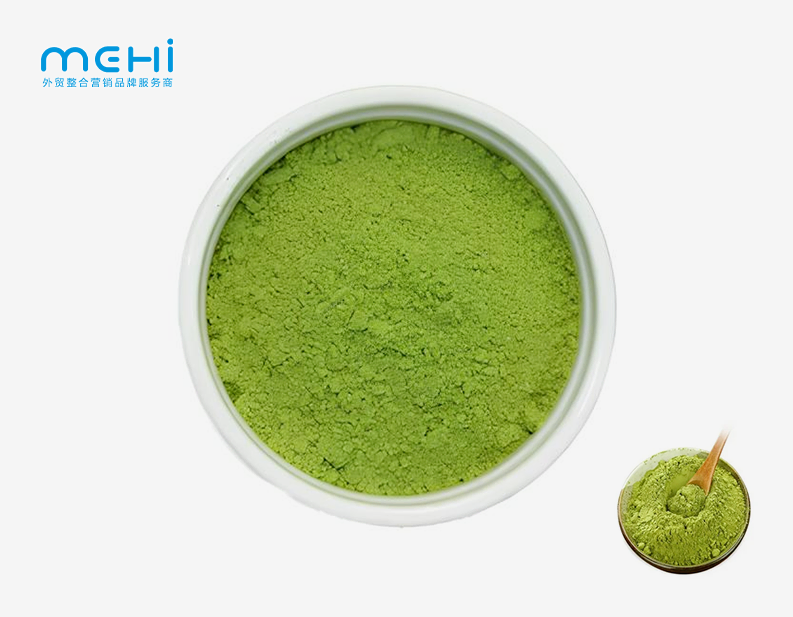
When looking at different weight-loss ingredients, Apple Cider Vinegar Powder stands out as a useful, stable, and easy-to-make option. This off-white powder comes from fermented apple juice (Malus Pumila Mill.). It has all the health benefits of regular vinegar, but it lasts longer and is easier to dose. This ingredient meets the high standards of nutraceutical brands, functional food makers, and cosmetic formulators all over the world. It has a normal acetic acid level of 5% to 10%, dissolves completely in water, and is certified as ISO9001:2015, Halal, Kosher, and HACCP.
Understanding Apple Cider Vinegar Powder and Its Benefits for Weight Loss
What Makes Powdered Vinegar Different?
Apple cider vinegar powder is not the same as liquid vinegar because it is extracted using a solvent and then dried using a spray. These steps make the bioactive compounds, especially acetic acid, more concentrated. This change keeps the useful parts while getting rid of the problems that come with storing liquids. It's easy to put the powder form into pills, tablets, packs, and drink mixes, and it doesn't change the taste or upset the pH.
A study in nutrition journals that is reviewed by experts in the field shows that eating acetic acid can help you burn more fat and control your hunger. Some people in a 12-week study lost more body fat and visceral fat than people in control groups who didn't eat vinegar every day. Based on these results, it should be in products that help health-conscious people lose weight.
Beyond Weight Management: Multi-Functional Applications
Apple Cider Vinegar Powder can be used for many things besides helping the metabolism. Because it balances pH, it can be used in skin care products, and its antioxidant properties make it useful for detoxification blends. Cosmetic scientists use its natural astringent properties to make washes for the face and treatments for the head. Functional beverage developers like that the powder dissolves completely without leaving any sediment, which keeps the clarity of ready-to-drink drinks.
Optimal Dosage and Safety Considerations
Most clinical guidelines say to take 500 to 1,500 mg every day, which is about 25 to 75 mg of acetic acid when using a 5% standardised powder. Teams in charge of buying things should know that higher amounts (8–10%) make capsules smaller, which lowers the cost of making each serve. Stability tests show that powder stays effective for 24 months when stored properly, compared to 6 to 12 months for liquids.
Top Apple Cider Vinegar Powders for Weight Loss – In-Depth Reviews and Comparison
Quality Indicators That Matter for B2B Procurement
It is better to choose a provider that can back up their claims with HPLC-UV tests. This makes sure that the right amount of acetic acid is measured. When something dries, the "mother" content, which is made up of good bacteria and enzymes, stops living. In other words, the biological starting material and the way it was extracted are more significant than this common liquid marker. Depending on the market you want to reach, you should have both food-grade and pharmaceutical-grade paperwork in your collection.
They are always the same, as shown by batch testing results and Certificates of Analysis (COA) from top providers. It's important for brands that say they use clean labels to keep track of where the main materials come from. How quickly things dissolve and how evenly they mix in finished products are affected by how uniform the mesh size is (100% passing 80 mesh).
Comparative Analysis of Market Options
Most bulk supplement-grade powders are standardized to 5% and don't cost too much, so they can be used to make tablets for the mass market. The quality of these is good enough, but they might not be labeled organic. Organic varieties that are better than regular ones cost 20–30% more. This is because they have organic marks from the USDA or the EU that let them sell to certain groups of people. Clinical nutrition brands that need the most strength per dose use products that are pharmaceutical-grade and have been standardized to 10%.
Dependability in the supply line changes a great deal. Large companies can count on well-known manufacturers that can make 50,000 kg per month, while smaller specialty manufacturers can make things just the way they need them. In order to make sure that the goods are made in line with Good Manufacturing Practices (GMP), buyers should look for proof of third-party testing before deciding to buy more than one container.
How to Choose the Best Apple Cider Vinegar Powder for Your Business Needs
Matching Specifications to Application Requirements
Nutraceutical companies that make weight-loss supplements on their own usually choose Apple Cider Vinegar Powder with acetic acid concentrations between 8 and 10 percent. This means that 500 mg capsules can deliver effective doses. Manufacturers of functional foods like 5% variants because they blend in well with protein powders or meal replacement shakes and don't overpower flavour systems. Cosmetic makers care more about how well preservatives work with bacteria testing results than about acetic acid amounts.
Formats for packaging have a big effect on operations further down the line. For high-volume production lines, bulk 25 kg fibre drums lower the cost per unit, while 1 kg foil bags are better for pilot batches and the creation of a product. For all formats, the climate-controlled storage requirements stay the same: powder stays stable in cool, dry conditions below 25°C.
Regulatory Compliance Across Target Markets
In order to be sold in the United States, dietary supplements must follow FDA rules, which include registering facilities and setting up ways for people to report bad effects. Novel Food studies are required by European markets if promises go beyond nutritional support. Kosher and Halal certifications open up demographic channels in the Middle East and some parts of the West, which makes the small investments in certification audits worth it.
As part of the proof of traceability, each lot should be tested for heavy metals (like lead, arsenic, and mercury), bacterial contaminants, and pesticide residues. When suppliers send full spec sheets, allergen declarations, and country-of-origin papers, it's easier for retailers to get their goods and for customs to clear them.
Private Label and Customization Opportunities
Brand differentiation is possible with contract makers who give customised acetic acid percentages. A skincare line might ask for 3% standardisation for more gentle applications on the skin, while a sports nutrition brand might ask for 12% standardisation for concentrated pre-workout shots. For custom specs, the lowest amount that can be ordered at once is usually 500 kg, but this amount can unlock unique positional benefits.
Bulk Purchasing and Supplier Guide for Apple Cider Vinegar Powder
Vetting Suppliers: Essential Due Diligence Steps
To evaluate an Apple Cider Vinegar Powder source, get their latest certification files. ISO22000 accreditation and HACCP documents demonstrate food safety management systems. Third-party audit reports from SGS, Eurofins, or others verify quality.
Samples should be assessed before bulk commitments. Request 10–20g samples with HPLC-UV COAs showing acetic acid, moisture, and microbiological status. Physical testing should assess powder flow, dissolution, and flavor neutrality in proposed applications.
Manufacturing capacity verification prevents supply interruptions. Rising brands might benefit from suppliers with 50,000 kg monthly manufacturing capability and no allocation concerns. Ask about backup raw materials and strategies for harvest adjustments or shipment issues.
Negotiating Terms That Protect Your Investment
Volume-tiered price models usually offer discounts of 8–12% at 1,000 kg and another 5–7% below that at 5,000 kg per year. Payment terms should balance managing cash flow with reducing supplier risk. For new relationships, the industry standard is a 30% down payment and 70% due upon receipt of the Bill of Lading paperwork.
If a quality guarantee clause says that a delivery doesn't meet the requirements, it should say what can be done, such as full replacement or proportional credits. Set clear shelf-life promises (at least 18 months from the date of receipt) and specify who is responsible for keeping the goods in good shape while they are in transit.
Logistics and Storage Best Practices
Adding desiccant and moisture barrier covers to containers helps protect the powder's integrity while it's being shipped by water. Air freight is good for quickly restocking, but it costs 300–400% more per kilogram. Combining shipments of items that go well together saves money on freight costs.
As part of the receiving procedures for a warehouse, items should be checked visually for clumping or discolouration and for moisture right away. To keep things from caking, keep storage areas below 25°C and the relative humidity below 60%. Rotate stock using first-in, first-out systems.
Usage Tips and Innovative Applications of Apple Cider Vinegar Powder
Formulation Strategies for Maximum Efficacy
Because Apple Cider Vinegar Powder dissolves completely in water, it can be mixed directly into drinking systems without having to dissolve it first. When vinegar powder is mixed with chromium picolinate, green tea extract, or cayenne pepper, the thermogenic effects work better together. People who make drinks should know that acetic acid adds a sour taste that needs to be covered up with natural sweeteners or fruit extracts.
Encapsulation technologies keep acetic acid from being released too soon, which makes it easier for the stomach to handle. Enteric-coated capsules keep the medicine from dissolving until the pH levels in the intestines become neutral. This keeps sensitive people from getting heartburn. Powder with fizzy bases in sachets makes single-serve drinks that are easy to carry and appeal to people who are always on the go.
Emerging Market Opportunities
To get people who want natural options to sulfates to buy their products, vinegar powder is added to cleansing rinses and shampoos for the hair. As dogs become more like people, the demand for high-quality pet food rises. To cash in on this trend, supplement companies add small amounts to joint-health chews and digestive-support treats.
Spices made from vinegar powder are being tried out as spices for protein chips and cooked beans. These give food a sour taste and speed up the metabolism. It's important to carefully control how wet the material is during processing for these uses so that the acetic acid doesn't start to work too soon.
Stability Maintenance Throughout Production
When making tablets or capsules, temperatures above 40°C can break down the acetic acid content. For products that are sensitive to temperature, manufacturers should keep an eye on process temperatures and think about using cold compression methods. When the moisture level is above 5%, clumping happens, so production settings need to be climate-controlled.
Moisture-resistant materials should be used to package finished goods. For example, aluminium foil laminates or HDPE bottles with induction seals stop moisture from the air from getting inside. Oxygen absorbers keep bioactive compounds from breaking down through oxidation, which extends the shelf life of goods in places with a lot of humidity.
Conclusion
For weight-management goods in nutraceuticals, functional foods, and personal care items, Apple Cider Vinegar Powder offers a scientifically backed, financially viable ingredient. Its standard specs, ability to comply with regulations, and ability to be made in a variety of ways answer the main concerns of R&D directors, procurement managers, and product developers who work in competitive health markets. A successful procurement depends on carefully checking out suppliers, making sure that specifications match the intended uses, and planning processes in a way that keeps the purity of the product from the factory floor to the customer. Strategic decisions made today about where to get their ingredients will help brands take advantage of the ongoing demand from customers for natural weight-loss products that work.
FAQ
1. What amount of acetic acid works best for products that help you lose weight?
Standardisation of 8–10% acetic acid is often used in weight management formulas. This lets 500–750 mg capsules deliver clinically relevant doses. Lower amounts (5%) work well in combination formulas where vinegar powder works well with other metabolic ingredients.
2. In terms of making supplements, how does powder vinegar compare to liquid vinegar?
Powdered forms are easier to handle than liquid ones, last longer on the shelf (24 months vs. 6 to 12 months), and allow for accurate doses without the need for different volumetric measurements. Gains in manufacturing productivity include lighter shipping weights and easier control of inventory.
3. What certifications should buyers in the business world put first?
The ISO9001:2015 and ISO22000 standards show how to handle quality, and the Halal and Kosher licenses help businesses reach more customers. Third-party testing results and HACCP documents show that key control point monitoring is done, and heavy metal and contaminant compliance is proven.
4. Can vinegar powder cause adverse effects in formulations?
If you follow the recommended daily doses of 500 to 1,500 mg, vinegar powder is very safe to use. Too much may make your stomach hurt or wear away your teeth if you drink it in a system that doesn't have pH buffering. Enteric coverings help keep stomachs from getting irritated.
Partner with Meihao for Premium Apple Cider Vinegar Powder Supply Solutions
Global companies that make nutraceuticals, functional foods, and cosmetics can use Meihao to find approved Apple Cider Vinegar Powder providers who meet international quality standards. As a Google Premier Partner that won awards for excellence in 2023 and 2024, including the prestigious Top Google Partner award in Greater China in 2024, our platform makes sure that suppliers are checked out honestly and that the buying process is sped up.
Our approved producers can meet your unique needs for acetic acid between 5% and 10%. They also offer full certification packages (ISO9001:2015, ISO22000, Halal, Kosher, HACCP), and they can consistently supply more than 50,000 kg per month. Our buying specialists make it easy to talk to sources directly while upholding quality standards. This is true whether you need small samples (10–20g) for formula development or shipments in multi-ton containers. Contact somyshare@gmail.com to get full product specs, reasonable price quotes, and sample shipments.
References
1. Johnston, C. S., Kim, C. M., & Buller, A. J. (2004). Vinegar improves insulin sensitivity to a high-carbohydrate meal in subjects with insulin resistance or type 2 diabetes. Diabetes Care, 27(1), 281-282.
2. Kondo, T., Kishi, M., Fushimi, T., & Kaga, T. (2009). Acetic acid upregulates the expression of genes for fatty acid oxidation enzymes in the liver to suppress body fat accumulation. Journal of Agricultural and Food Chemistry, 57(13), 5982-5986.
3. Ostman, E., Granfeldt, Y., Persson, L., & Björck, I. (2005). Vinegar supplementation lowers glucose and insulin responses and increases satiety after a bread meal in healthy subjects. European Journal of Clinical Nutrition, 59(9), 983-988.
4. White, A. M., & Johnston, C. S. (2007). Vinegar ingestion at bedtime moderates waking glucose concentrations in adults with well-controlled type 2 diabetes. Diabetes Care, 30(11), 2814-2815.
5. Petsiou, E. I., Mitrou, P. I., Raptis, S. A., & Dimitriadis, G. D. (2014). Effects and mechanisms of action of vinegar on glucose metabolism, lipid profile, and body weight. Nutrition Reviews, 72(10), 651-661.
6. Budak, N. H., Aykin, E., Seydim, A. C., Greene, A. K., & Guzel-Seydim, Z. B. (2014). Functional properties of vinegar. Journal of Food Science, 79(5), R757-R764.