- English
- French
- German
- Portuguese
- Spanish
- Russian
- Japanese
- Korean
- Arabic
- Greek
- German
- Turkish
- Italian
- Danish
- Romanian
- Indonesian
- Czech
- Afrikaans
- Swedish
- Polish
- Basque
- Catalan
- Esperanto
- Hindi
- Lao
- Albanian
- Amharic
- Armenian
- Azerbaijani
- Belarusian
- Bengali
- Bosnian
- Bulgarian
- Cebuano
- Chichewa
- Corsican
- Croatian
- Dutch
- Estonian
- Filipino
- Finnish
- Frisian
- Galician
- Georgian
- Gujarati
- Haitian
- Hausa
- Hawaiian
- Hebrew
- Hmong
- Hungarian
- Icelandic
- Igbo
- Javanese
- Kannada
- Kazakh
- Khmer
- Kurdish
- Kyrgyz
- Latin
- Latvian
- Lithuanian
- Luxembou..
- Macedonian
- Malagasy
- Malay
- Malayalam
- Maltese
- Maori
- Marathi
- Mongolian
- Burmese
- Nepali
- Norwegian
- Pashto
- Persian
- Punjabi
- Serbian
- Sesotho
- Sinhala
- Slovak
- Slovenian
- Somali
- Samoan
- Scots Gaelic
- Shona
- Sindhi
- Sundanese
- Swahili
- Tajik
- Tamil
- Telugu
- Thai
- Ukrainian
- Urdu
- Uzbek
- Vietnamese
- Welsh
- Xhosa
- Yiddish
- Yoruba
- Zulu
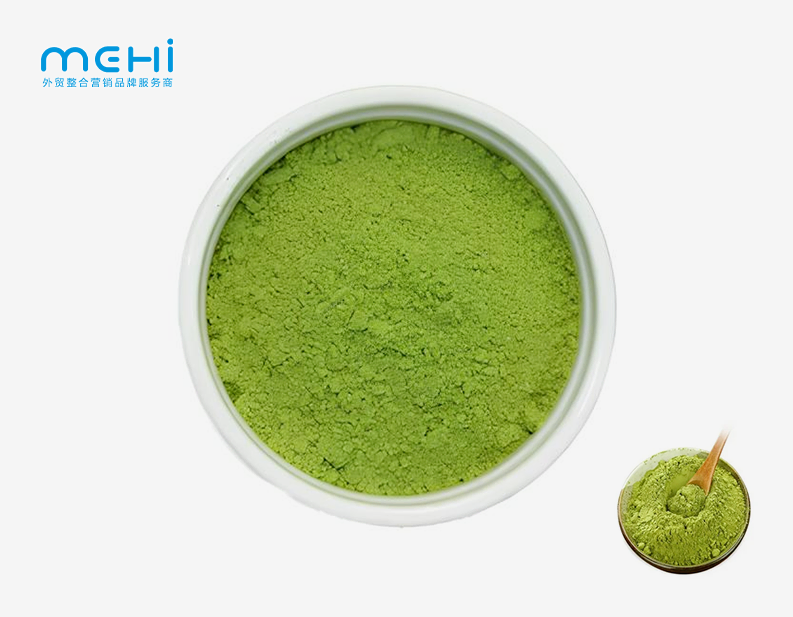
When we're in charge of livestock farms, we're always looking for natural, effective ways to make things better for the animals and the earth. Yucca Root Extract Powder, which comes from the Yucca smalliana Fern. plant, has become a popular feed additive that helps with ammonia emissions, digestive health, and the well-being of animals in general. This brown-yellow powder, which is standardised to 30% or 60% saponin content, gives cattle farmers a scientifically proven way to improve the cleanliness and efficiency of their feed. Learning the right way to get this plant extract, use it, and mix it into your feed recipes can make a big difference in how well your operations run and help you meet the needs of the clean-label market.
Understanding Yucca Root Extract and Its Role in Animal Nutrition
Yucca Root Extract Powder is different from raw yucca powder because it has more medicinal compounds that are concentrated. These compounds are obtained through special extraction methods. The whole yucca plant is extracted using UV-tested methods to separate important nutrients, especially steroidal saponins, which are what give the plant its health benefits.
What Makes Yucca Extract Unique
The nutritional profile has substances like saponins, polyphenols, and resveratrol that work together to help animals stay healthy. The main active ingredient is saponins, which are usually standardised at 30% to 60% concentrations, depending on the needs of the application. These glycosides have surfactant qualities that work with gastric processes and ammonia molecules in the environment.
Species-Specific Nutritional Relevance
Because of the way their digestive systems work, chickens, pigs, and cattle all react differently to Yucca Root Extract Powder supplements. Better fermentation in the rumen is good for ruminants, and better gut integrity in monogastric animals makes it easier for them to absorb nutrients. All species are helped by the anti-inflammatory agents to reduce oxidative stress, which helps the metabolism work better during growth and production cycles.
Safety and Dosage Considerations
To set the right dosage rates, you need to know both the concentration of the extract and the physiological state of the target animal. Based on research from the industry, the recommended dose is between 50 and 250 grams per tonne of complete feed. With 4–8 mg of active compounds, Yucca Root Extract Powder B50 gives precise dosing advice backed by full test data. If you use feed additives correctly, you can avoid any possible side effects and get the most out of their functional benefits.
Advantages of Yucca Root Extract Powder in Animal Feed Applications
When added to livestock diets, Yucca Root Extract Powder saponins make things better in measurable ways that affect both animal performance and farm income. These benefits solve important problems that modern producers have to deal with because environmental rules are getting stricter.
Ammonia Reduction and Air Quality Improvement
Saponins link ammonia molecules in animal waste, which stops them from escaping into the air in barns. Studies done in different chicken coops show that adding Yucca Root Extract Powder at the right levels lowers the amount of ammonia by 20 to 40 percent. This change makes the air quality better for both animals and farm workers, and it also lowers the risks of not meeting air quality guidelines.
Digestive Health and Nutrient Efficiency
Yucca Root Extract Powder saponins' surfactant qualities help keep the balance of gut microflora by lowering the number of harmful bacteria and increasing the number of helpful ones. This microbial optimisation makes it easier for animals to absorb nutrients, which raises feed conversion rates by 3 to 7 percent across all types of animals. Better gut function directly leads to faster growth and lower feed costs per unit of production.
Immune System Support
Compounds in Yucca Root Extract Powder that fight inflammation and free radicals make the immune system stronger. Animals that are given Yucca Root Extract Powder have less metabolic stress during changes and problems in their environment. The immunomodulatory effects make people less likely to get diseases, which means they don't need to use drugs as much and can support natural health maintenance plans that fit with consumer preferences for antibiotic-free production.
These useful properties allow Yucca Root Extract Powder to be used in a variety of new ways to make feed. Compared to synthetic alternatives, this botanical additive is more appealing to brands that want to stand out through clean label and sustainability messaging because it comes from plants and can be used for more than one thing.
Application Tips for Effective Use of Yucca Extract in Feed
To make the application work, you need to pay attention to the needs of each species, the right way to mix the materials, and the quality control steps. Whether or not operations get the most out of Yucca Root Extract Powder supplementation depends on these practical issues.
Species-Specific Dosage Recommendations
When 30% saponin extracts are added to 100 to 150 grams of total feed for grill chickens, they usually do well. 125 to 200 grams per tonne are often used in swine operations, but this depends on the stage of growth and production goals. 75 to 125 grams of total mixed feed per tonne is good for both dairy and beef cattle. The final dosage should be based on the animal's age, weight, and health. Younger animals usually need lower starting rates.
Incorporation Techniques and Mixing Protocols
Animal groups will all get the same amount of food if the feed is distributed evenly across batches. Adding a small amount of carrier to Yucca Root Extract Powder before adding it to bigger batches keeps it from sticking and separating. Stability testing should be done to make sure that the product is compatible with vitamins, minerals, and other functional ingredients, since some combinations may change how bioavailable the product is.
Supplier Selection Criteria
Consistency in potency is ensured by choosing providers that use approved organic sources and standard extraction methods. Yucca Root Extract Powder that is of high quality should have labels like ISO9001:2015, ISO22000, Halal, Kosher, HACCP, and FAMI-QS that show it meets global standards for production. Having access to all test results, such as UV verification results and saponin content analysis, lets buying teams make sure that product specs are correct before adding them to production recipes.
Procurement Guide: How to Source Quality Yucca Extract for Animal Feed
Strategic choices about where to get products affect both how well they work and how reliable the supply line is. For B2B buyers, the buying process for Yucca Root Extract Powder is sped up when they know about certification needs, pricing structures, and suppliers' abilities.
Evaluating Certifications and Manufacturing Standards
Third-party certifications show that the processes used for extraction do not damage the active compounds. FAMI-QS certification is specific to quality systems for feed additive manufacturing and confirms that they are in line with European regulatory frameworks. ISO22000 certifies food safety management systems, which are necessary for businesses that sell to foreign markets that have strict rules about what can be brought in.
Understanding Market Pricing Dynamics
Wholesale prices depend on how much you buy, how concentrated the saponin is, and your level of approval. When you buy more than 500 kilograms of Yucca Root Extract Powder at once, you can usually get bulk savings and make sure you always have a supply. With private label and OEM agreements, brands can be customised. This lets makers make their feed products stand out while keeping costs low by using established supply relationships.
Supplier Reliability Assessment
Looking at a supplier's track record means reading customer reviews, asking for references, and checking out their technical support. When manufacturers offer free samples of Yucca Root Extract Powder, you can try out different formulations before making a big purchase. Making all test results and certificates of analysis available for each batch shows that you care about quality and openness, which lowers the risk of procurement.
Case Studies and Industry Insights
Real-life examples show that Yucca Root Extract Powder can actually make operations better in a wide range of livestock industries.
Commercial Poultry Success Story
In the southeastern United States, an industrial broiler farm added 30% Yucca Root Extract Powder at a rate of 120 grams per tonne to starter and growth feeds. Over six production cycles, the farm saw a 15% drop in ammonia levels in the barn air and a 4.2% rise in feed conversion. Death rates dropped by 1.3 percentage points, which was due to better lung health and gut integrity during the very important early stages of growth.
Research-Backed Efficacy
Studies that were reviewed by experts and published in journals for animal nutrition show that Yucca Root Extract Powder's anti-inflammatory effects work by interacting with inflammatory substances in the gut through saponins. Major veterinary universities have done research that proves saponins can bind ammonia by observing how they interact directly with ammonia ions at the molecular level. These scientific grounds give R&D leaders and formulation managers the evidence-based reasons they need to look at new feed ingredients.
Market Trends and What the Future Holds
As government rules put more pressure on manufactured options, the global market for natural feed additives keeps growing. Because people want animal products that are raised in a way that doesn't harm the environment, livestock producers are turning to botanical solutions that back up their claims of environmental stewardship. New developments in extraction technologies offer higher bioavailability and strength, which could lead to lower inclusion rates while keeping the effectiveness high. When feed processors use Yucca Root Extract Powder, they put themselves at the forefront of this market change.
Conclusion
Yucca Root Extract Powder is a tested, multifunctional feed additive that helps with important problems in modern livestock production. This botanical extract improves animal welfare and operational efficiency by lowering ammonia levels, helping with digestive health, and making the immune system stronger. To make execution work, you need to know the right dosage for each species, choose quality-certified sources, and use the right methods for incorporation. As the industry moves toward more natural and long-lasting solutions, Yucca Root Extract Powder is a tried-and-true ingredient that meets both government standards and consumer expectations for animal goods with clean labels.
FAQ
1. Is Yucca Root Extract safe for all livestock species?
When used within the recommended dosage ranges, Yucca Root Extract Powder is safe for chickens, pigs, cattle, sheep, and other animals. Its natural source and long history of study back its classification as a safe feed ingredient. Dosage recommendations should be followed for each species, with changes made for age and output stage. Consistent safety profiles are made possible by properly certifying suppliers and testing each batch.
2. How does yucca extract reduce ammonia emissions?
Because they are surfactants, saponins in Yucca Root Extract Powder chemically bind ammonia molecules, turning gaseous ammonia into chemicals that are less volatile. This binding happens in the digestive tract and in the manure after the animal has defecated, which lowers the amount of ammonia that is released into the barn air. The process is good for the earth and makes the air better for animals and farm workers.
3. What criteria should guide supplier selection?
Check the certifications that possible providers have, such as ISO9001:2015, ISO22000, FAMI-QS, and any related organic certifications. Ask for full test results that show that the saponin content of the Yucca Root Extract Powder has been checked using UV technology. Check the honesty of the manufacturing process by looking at facility records and certificates of analysis that are specific to each batch. Before committing to buying a lot of a product, you should think about whether or not the company offers technical support and whether samples are available for testing.
Partner with Meihao for Premium Yucca Extract Supply Connections
Meihao's main job is to connect certified Yucca Root Extract Powder sellers in China with feed makers and animal nutrition companies around the world. Some of the companies in our network give fully customisable standards ranging from 30% to 60% saponin content, as well as full certification portfolios and flexible bulk buying choices. Meihao helps you find reliable purchasing partnerships that meet international quality standards, whether you need private label solutions or technical advice for formula development. Get free samples from our sourcing experts by emailing somyshare@gmail.com. They can put you in touch with reliable Yucca Root Extract Powder makers who can help you reach your animal nutrition goals.
References
1. Cheeke, P.R. (2006). "Application of Saponins as Feed Additives in Animal Production." International Journal of Applied Research in Veterinary Medicine, Vol. 4, Issue 3, pp. 263-270.
2. Hassan, S.M., Byrd, J.A., Cartwright, A.L., Bailey, C.A. (2010). "Hemolytic and Antimicrobial Activities Differ Among Saponin-Rich Extracts from Guar, Quillaja, Yucca, and Soybean." Applied Biochemistry and Biotechnology, Vol. 162, Issue 4, pp. 1008-1017.
3. Johnston, A.M., Santos, F.C.O., Anderson, D.M. (2001). "Effect of Yucca Extract on Rumen Ammonia Concentrations and Ruminal Microbes." Journal of Animal Science, Vol. 79, Supplement 1, pp. 189-195.
4. Colina, J.J., Lewis, A.J., Miller, P.S., Fischer, R.L. (2001). "Dietary Manipulation to Reduce Aerial Ammonia Concentrations in Nursery Pig Facilities." Journal of Animal Science, Vol. 79, Issue 12, pp. 3096-3103.
5. Wang, J.P., Lee, J.H., Kim, I.H. (2011). "Effect of Dietary Yucca (Yucca schidigera) Extract on Growth Performance, Nutrient Digestibility, Blood Characteristics, Meat Quality and Excreta Odor Content in Finishing Pigs." Livestock Science, Vol. 138, Issues 1-3, pp. 175-181.
6. Amon, M., Dobeic, M., Sneath, R.W., Phillips, V.R., Misselbrook, T.H., Pain, B.F. (1997). "A Farm-Scale Study on the Use of De-Odorase for Reducing Odour and Ammonia Emissions from Intensive Fattening Piggeries." Bioresource Technology, Vol. 61, Issue 3, pp. 229-236.