Double-row cylindrical roller bearings are very important in heavy-duty industrial settings where accuracy and a high rotational load capacity are very important. You can get these strong bearings in both NN and NNU series designs. They work really well in harsh conditions, like on precision machine tools and heavy building equipment. When you're in charge of these complex parts, you need to know how to properly fix problems because good analysis and care directly affect how well things work and how long they last. This complete guide covers the most common problems that come up with double-row cylindrical roller bearing systems. It gives engineering workers tried-and-true ways to find problems early and fix them in a way that lasts. This keeps downtime to a minimum while performance is maximized.
Understanding Common Issues in Double Row Cylindrical Roller Bearings
Although double-row cylindrical roller bearings are better at spreading loads and keeping things stable, they come with their own set of servicing problems that can only be solved by people who know what they're doing. There are many practical stresses that these fine parts have to deal with, which can show up in different ways when they fail.
Primary Failure Symptoms and Their Indicators
One of the most obvious signs of bearing trouble is making too much noise, which can sound like grinding, clicking, or strange sound patterns that aren't like normal operation sounds. Noise problems often come with vibration problems, which can be seen on tracking equipment as patterns that show when internal parts are breaking down or not aligning properly. If the temperature goes above the limits that were given, it means that friction is rising because of a lack of grease, contamination, or too much load.
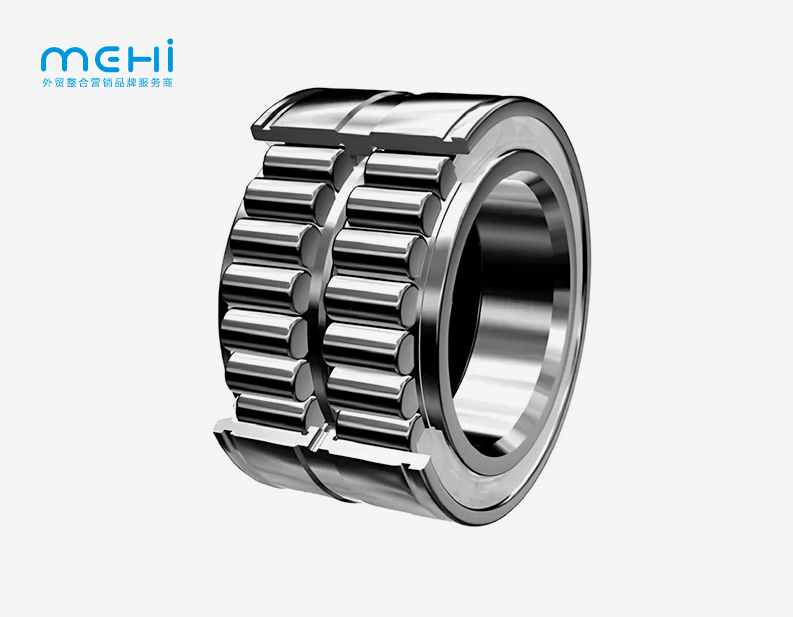
Leaking lubricant is another very important warning sign. This is especially worrisome because our NN series has inner rings with two ribs and outer rings without ribs, while our NNU designs have inner rings without ribs and outer rings with two ribs. Because of this structure difference, seal performance and oil retention are affected, so it is very important to get a correct evaluation in order to keep things running at their best.
Root Cause Analysis for Bearing Degradation
Many industrial setups have problems with misalignment, which makes the load distributed unevenly across the roller parts and speeds up the wear patterns. Installation mistakes, like wrong mounting methods, not enough space settings, or using the wrong tools, can often lead to early failure modes. Outside sources of contamination get into bearing systems through broken seals or not enough environmental protection, bringing in rough particles that hurt precision surfaces.
When properly cared for, our bearings, which are made from high-quality GCr15, GCr15SiMn, and G20Cr2Ni4A materials and have inner sizes ranging from 200 to 1500 mm, last a very long time. But working conditions that are too harsh can break even the strongest materials. This shows how important it is to know load limits and environmental restrictions.
Diagnosing Problems: Step-by-Step Troubleshooting Process
Systematic testing methods help maintenance workers find true problems with bearings before they become major problems that cost a lot to fix. Using planned fixing methods cuts down on the time needed to diagnose problems and boosts the efficiency of solutions.
Visual Inspection Protocols
The first step in a full visual review is to look at the bearing housings, seals, and other parts nearby from the outside. Look for clear signs of damage, like oil coloring, damaged seals, or housing distortion. Careful removal following the manufacturer's instructions is needed for an internal check. This shows the state of the roller surfaces, the wear patterns on the raceways, and the stability of the cage. Using photos and measurements to record results makes it easier to look for trends and talk to suppliers.
Our double-row cylindrical roller bearings are easy to take apart because they are designed to be separated. This lets you do a full check without using any special tools. Both cylinder-shaped bores and tapered bores (suffix K) are easier to get to during diagnostic processes. Tapered designs, in particular, allow for more adjustments during reassembly.
Advanced Diagnostic Techniques
Vibration analysis uses high-tech tracking tools to find frequency patterns that show specific failure modes. This lets experts precisely find the parts that are broken. Thermal imaging shows how temperatures are distributed across bearing systems, pointing out hot spots that mean there isn't enough oil or the bearings are under too much stress. Lubricant analysis through lab testing shows amounts of pollution, chemical loss, and breakdown products that show upkeep needs to be done.
These ways of diagnosing are especially helpful when checking bearings that are used as main shaft bearings in precise machine tools, where very high levels of accuracy and dependability are needed for operation. Early discovery stops major breakdowns that could damage expensive equipment or lower the quality of the result.
Effective Solutions and Maintenance Tips for Double Row Cylindrical Roller Bearings
Using thorough repair plans includes both fixing problems after they happen and preventing them before they happen. Solutions that work combine the right way to put things with regular checks that make bearings last longer.
Installation Best Practices
Before you can mount something correctly, you need to clean all of the parts and the area you're mounting them on. This gets rid of any contamination that could affect how well the bearing works. Temperature-controlled heating methods make sure that the material expands evenly during installation, which stops stress clusters that cause the material to fail early. Clearance proof proves that the parts fit correctly, and curved hole designs let you make changes after fitting to get the best performance.
Because our bearings are very stiff and precise, they need to be installed according to very strict rules in order to work at their best. Paying close attention to the manufacturer's instructions makes sure that the load is distributed evenly and stops problems during fitting that cause a lot of bearings to fail early.
Lubrication Management Strategies
To make sure there is enough film thickness and safety, the lubricant must be chosen based on operating factors such as load size, rotating speed, and weather conditions. Oil state is tracked on a regular basis through eye inspection, lab research, and performance markers that show how the oil is breaking down. Lubricant stays pure between service times because effective closing systems and filter equipment keep it clean.
The ability for double-row designs to move in a horizontal direction needs extra attention when planning the lubrication, since movement patterns change how the oil is distributed and how long it stays in place. Understanding these factors helps you get the most out of your repair schedule and the amount of lube you use.
Comparison of Double Row Cylindrical Roller Bearings with Other Bearing Types in Troubleshooting
When fixing double-row cylindrical roller bearings versus other bearing designs, comparative research shows clear benefits and things to think about. Knowing these differences helps you choose the right ways to diagnose problems and keep them in good shape.
Performance Characteristics Versus Single-Row Designs
However, failure mode analysis becomes more difficult when double-row configurations are used because they can hold a lot more weight than single-row configurations. With more moving parts, there are more places where something could go wrong, so it takes more thorough testing to find the exact problem. However, the better load distribution traits often lead to slower degradation patterns that give more time to prepare before major failure.
Material and Design Considerations
Choosing the right steel grade from GCr15, GCr15SiMn, and G20Cr2Ni4A materials affects how the bearing reacts to different working conditions and how it breaks. Materials with a higher metal content work better in harsh situations, but they may wear in different ways, which means that diagnostic criteria need to be changed. Design complexity affects how easy it is to fix, and separate designs are very helpful for inspection and upkeep tasks.
Procurement and Support: Choosing the Right Supplier and After-Sales Services
The strategic choice of a provider has a huge effect on the long-term performance of bearings and the success of fixing. Building partnerships with partners who know what they're doing gives you access to professional knowledge and helpful tools that make servicing easier.
Quality Assurance and Technical Support
Manufacturers with a good reputation provide detailed technical paperwork, installation instructions, and debugging tools that make upkeep easier. Having access to application engineering help makes it possible to choose the right bearings and place them in the best way possible for each task. Warranty coverage and the availability of new parts make sure that operations don't stop while repair is being done.
Meihao is an expert at providing high-quality double-row cylindrical roller bearings that are made to strict standards and come with full technical support for the entire duration of the product. Our skills in precise manufacturing and application engineering make sure that bearings work well in a wide range of industry settings.
Conclusion
To properly fix problems with double-row cylindrical roller bearings, you need to use a methodical approach that includes visual inspection, advanced testing methods, and a thorough knowledge of how failures happen. Because these parts can hold more weight and work more precisely, it's worth spending money on the right care methods that extend their life and make them more reliable. Knowing the differences between NN and NNU series bearings, like how their designs and materials can be separated, helps with better diagnosis and care. Partnering with experienced suppliers who offer ongoing technical help and quality testing throughout the duration of the bearing is key to success.
Frequently Asked Questions
Q1: How frequently should double-row cylindrical roller bearings undergo inspection in heavy-duty applications?
A: Inspection frequency varies based on operational severity, but quarterly assessments prove adequate for most heavy-duty applications, with monthly checks recommended for critical equipment operating under extreme conditions.
Q2: What distinguishes the NN series from the NNU series bearing maintenance requirements?
A: NN series bearings with inner ring ribs require different lubrication approaches compared to NNU designs with outer ring ribs, though both benefit from similar inspection procedures and diagnostic techniques.
Q3: Can tapered bore bearings be adjusted after installation to correct clearance issues?
A: Yes, tapered bore designs (suffix K) allow post-installation radial clearance adjustment through axial positioning, providing flexibility to optimize performance parameters without complete reinstallation.
Connecting Global Buyers with Trusted Double Row Cylindrical Roller Bearing Manufacturers
Meihao is a skilled B2B service platform that focuses on digital marketing and meeting buyers and suppliers. It is not a company that makes or sells double-row cylindrical roller bearings. We make it easy for people from other countries to get in touch with approved Chinese companies that make NN and NNU series bearings for use in heavy machinery, steel mills, and industrial automation. By pushing "Premium Chinese Suppliers," Meihao helps with verifying suppliers, answering questions, and coordinating contact to lower sourcing risks and make buying more efficient. Our services are made for areas that have a lot of needs, like those in Europe, North America, Japan, and Southeast Asia. Please email somyshare@gmail.com for help with buying or to connect with suppliers.
References
1. Harris, T.A. & Kotzalas, M.N. "Advanced Concepts of Bearing Technology: Rolling Bearing Analysis." CRC Press, 2006.
2. Palmgren, A. "Ball and Roller Bearing Engineering." SKF Industries Inc., 1959.
3. Eschmann, P., Hasbargen, L. & Weigand, K. "Die Wälzlagerpraxis: Handbuch für die Berechnung und Gestaltung von Lagerungen." Vereinigte Fachverlage, 1978.
4. Hamrock, B.J., Schmid, S.R. & Jacobson, B.O. "Fundamentals of Machine Elements." McGraw-Hill Education, 2005.
5. Tallian, T.E. "Failure Atlas for Hertz Contact Machine Elements." ASME Press, 1999.
6. ISO 15243:2017 "Rolling bearings—Damage and failures—Terms, characteristics, and causes." International Organization for Standardization, 2017.