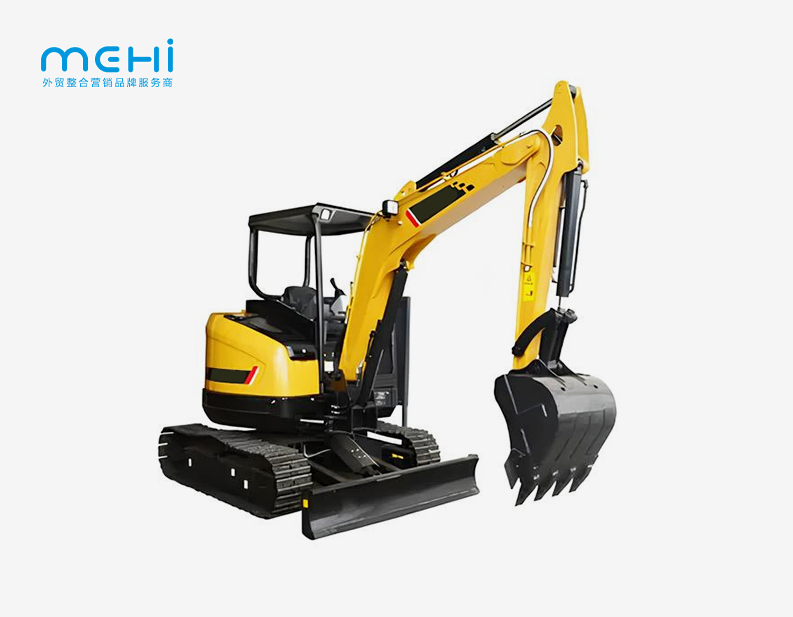
For building professionals, garden workers, and equipment hire companies, it's still very hard to find cheap 2.5-ton mini excavators that don't skimp on quality. The market for small excavators has grown incredibly quickly. In North America, demand grows by 35% every year. These machines are very useful because they are strong and easy to move around. They are especially useful for projects that need to handle a modest amount of work in tight areas. This complete guide gives procurement workers useful information they can use to get the best deals on high-quality tools. This helps them make smart investment choices that improve business efficiency while lowering costs.
Understanding the Key Factors Affecting 2.5-Ton Mini Excavator Prices
The price of a small digger is affected by a number of factors that affect both the original investment and the long-term costs of running the machine. To make smart choices about what to buy, you need to know how these things affect price models and the total cost of ownership.
Core Specifications Influencing Cost
The main thing that determines the price of a small digger is its engine specs. Choosing between different powertrains has a big impact on both the initial prices and the vehicle's ability to do its job. Here are the main features that affect the price:
- The type of engine and horsepower rate decide how much fuel is used and how much work can be done.
- How powerful and precise your digging is depends on how complex your hydraulic system is.
- The maximum digging depth affects the flexibility of a project and its uses on the job site.
- Overall measurements affect how easy it is to move and get to work sites.
The MK25U-9 example shows how value statements are made from specs that are fair. This model shows how makers can improve performance while keeping costs low. It has a working weight of 2500 kg and comes with either a Euro 5 EPA Changchai 390 (20 kW) or a Kubota D1105 (14.2 kW) engine. The maximum digging depth of 2600 mm and the zero-turn tail design make it more useful without raising the price.
Fuel Efficiency and Operational Expenses
Figuring out how much fuel you use helps you figure out your total owning costs, which go beyond the initial purchase price. Modern 2.5-ton mini excavators use about 2 to 4 gallons of fuel an hour when they are working normally. This number can change depending on how well the engine is working and the conditions of the job.
Most builders still choose diesel engines because they last a long time and are easy to get fuel for. New electric options are coming out, especially for jobs that need to be done inside or in places that are sensitive to the environment. Over the life of the equipment, the difference in running costs between diesel and electric types becomes important. Electric units have lower per-hour operating costs but require a bigger initial investment.
Attachments and Customization Options
Standard bucket shapes usually have a 0.06 CBM capacity, which is enough for most digging jobs. Attachments, on the other hand, can make things more useful while also changing how much the whole purchase costs. Some popular attachment choices are
- Hydraulic breakers are used to remove concrete and break rocks.
- Attachments that go on augers for making accurate holes and building foundations
- Attachments for grapples for moving things and cleaning up
- Specialty tools for digging trenches, leveling land, and working with certain types of dirt
The best equipment combinations are found by comparing the prices of attachments to the needs of the job. The accurate hydraulic pilot valve control system in high-quality models like the MK25U-9 makes it possible for attachments to work well, increasing investment returns through a wide range of uses.
Comparing Market Options: New vs Used and Performance Features
A study of the market shows that the prices of new and used tools are very different, and each has its own pros and cons that buying workers need to think about.
New Mini Excavator Features and Price Ranges
New small tractors usually cost between $35,000 and $75,000, but this depends on the features and the name of the maker. Brands like Kubota, Bobcat, and Caterpillar charge higher prices because they are known to be reliable and come with full warranties.
New models on the market focus on high-tech features like being able to go twice as fast, which boosts efficiency by letting people quickly move between work areas. The hydraulic pilot valve control systems let workers move things precisely, which makes their work better and less tiring. More and more, manufacturers are focusing on making features that are safe and comfortable for operators. These features add value by increasing productivity and lowering operating risks.
Used Equipment Opportunities and Risk Assessment
Prices for used 2.5-ton mini excavators are usually 30 to 50 percent less than the prices of brand-new ones, which means you can save a lot of money. But a complete review is needed to avoid problems that cost a lot to fix and stop operations.
Conditions of the hydraulic system, engine hours, track wear trends, and repair records are some of the most important things to check. Professional checks can find problems before they happen, which helps buyers arrange fair prices based on the real state of the equipment. The costs of renovations should be added to the total expense to make sure that budget planning is realistic.
Performance Specifications and Value Assessment
Considering how small they are, modern mini excavators have amazing performance numbers. The highest digging height of 2637 mm makes it easy to put materials into normal dump trucks, and the zero-turn tail designs let it work in very small areas without damaging nearby buildings.
Double-speed drive systems make the job site more productive by letting workers move quickly from one area of work to another. This function is especially helpful for gardening workers and city care crews that work in a lot of different places during the day.
How to Strategically Source Affordable Equipment?
To buy tools successfully, you need to come up with strategies that balance cost with quality control and source dependability.
Identifying Trusted Dealers and Distributors
Reliable sellers offer important support services after the initial sale of tools. Distributors with a history of success, such as Case, Hitachi, Takeuchi, and Volvo, keep their parts and service networks large and up-to-date, which ensures long-term operating support.
Certification programs for dealers show that they are committed to meeting standards for training, service, and customer service. Verified sellers usually have better guarantee terms and better relationships with lending companies, which makes the buying process go more smoothly.
Financing and Budget Management Options
How you finance your equipment has a big effect on your cash flow and the total cost of ownership. Depending on the business and tax situation, traditional bank lending, factory financing programs, and buying tools all have their own benefits.
Leasing usually requires smaller down payments and comes with maintenance plans, which makes it appealing to businesses that want to know exactly how much their monthly costs will be. Companies that plan to use their tools for a long time may get better long-term value from purchase loans. Rental choices give you the freedom to run your business during certain times of the year or for specific projects without having to make long-term promises.
Negotiation Strategies and Seasonal Considerations
Prices for building equipment change with the seasons, and you can usually find the best deals when work is slow. Manufacturers and dealers often offer bonuses and special deals in late fall and winter to keep sales going during times when demand is lower.
Companies that are buying more tools can save a lot of money by negotiating bulk purchases. When you buy more than one item, you often get discounts, longer guarantee terms, and lower shipping costs. These things add up to a better total value offer.
Ensuring Long-Term Value Through Proper Maintenance
To get the most out of your equipment's lifespan and keep running costs as low as possible, you need to do preventative repair that is specific to how 2.5-ton mini excavators work.
Routine Maintenance Best Practices
Equipment lasts a lot longer and doesn't break down as often when it's maintained regularly. Checking the engine oil, hydraulic fluid levels, and track tightness should all be part of daily checkups. As part of weekly upkeep, the hydraulic cleaner and greasing points are checked and serviced.
Modern tractors have very complex hydraulic systems that need extra care to keep the fluids clean and the system pressures right. Because contaminated hydraulic fluid can lead to expensive component failures, it is important to check the fluid regularly and change the filters as needed.
Operational Efficiency and Cost Control
Proper operator training has a big effect on how much fuel is used and how quickly parts wear out. Operators with a lot of experience know how to keep the hydraulic system from rotating too much and how to dig more efficiently. Most training programs cut fuel use by 15 to 25 percent while also making parts last longer.
Telematics systems give us useful information about how we use technology and what repairs it needs. These systems can tell when a part will break down before it actually does. This lets maintenance happen at easy times instead of having to be fixed quickly during crucial project stages.
Avoiding Common Operational Mistakes
Abuse of equipment is the main reason why parts break down early and upkeep costs go too high. Overloading beyond stated limits, using attachments incorrectly, and not doing daily maintenance checks can make running costs go up by a huge amount.
Using original equipment manufacturer (OEM) parts for repair makes sure that the parts fit and work properly. Aftermarket options may be cheaper at first, but they don't always last as long or work as accurately as the originals, which could mean more fixes and downtime.
Conclusion
Finding cheap 2.5-ton mini excavators means weighing a lot of different factors, such as features, funding choices, the stability of the provider, and long-term upkeep needs. The important thing is to know how basic things like the type of engine, the hydraulic systems, and the machine's working skills affect both the original costs and the costs that keep coming up. Strategic buying from reputable sources and proper repair practices are the best ways to get the most out of your equipment purchases. Getting the right equipment, whether it's new or used, requires careful consideration and working with reliable partners who offer full help throughout the equipment's lifetime.
Frequently Asked Questions
Q1: What is the average price range for a new 2.5-ton mini excavator?
A: New mini excavators in the 2.5-ton class typically range from $35,000 to $75,000, depending on specifications, engine options, and manufacturer reputation. Models with advanced hydraulic systems and comprehensive warranty packages command higher prices, while basic configurations offer more affordable entry points.
Q2: How does engine choice affect long-term maintenance costs?
A: Engine selection significantly impacts maintenance expenses over equipment lifetime. Kubota engines typically offer excellent reliability with readily available parts, while other certified engines may have different service intervals and component costs. Diesel engines generally provide lower per-hour operating costs compared to electric alternatives, though electric models eliminate fuel expenses entirely.
Q3: What maintenance practices extend mini excavator lifespan most effectively?
A: Regular hydraulic fluid analysis, daily lubrication schedules, and proper operator training represent the most effective lifespan extension strategies. Maintaining clean hydraulic systems prevents costly component failures, while trained operators reduce unnecessary wear through proper technique. Following manufacturer maintenance schedules and using OEM parts ensures optimal performance and reliability.
Partner with Meihao for Premium 2.5-Ton Mini Excavator Solutions
Are you ready to find great deals on top-notch small excavators? Meihao is a Google Premier Partner that has a history of working with foreign markets. They work with sellers to offer complete purchasing options. Our approved providers use cutting-edge hydraulic systems, a range of engine choices, and zero-tail swing features that give their products great performance and make them perfect for many tough jobs. Looking for a dependable place to buy 2.5-ton mini excavators? We provide full help, from the original meeting to long-term advice on upkeep. Send us an email at somyshare@gmail.com for a custom price and full details.
References
1. Smith, Robert J. "Construction Equipment Pricing Trends and Market Analysis." International Construction Equipment Review, 2024.
2. Anderson, Maria K. "Hydraulic System Maintenance in Compact Excavators: Best Practices Guide." Equipment Maintenance Quarterly, 2024.
3. Thompson, David L. "Mini Excavator Performance Specifications and Operational Efficiency Studies." Construction Technology Journal, 2023.
4. Wilson, Jennifer M. "Equipment Financing Options for Small Construction Contractors." Business Equipment Finance Review, 2024.
5. Rodriguez, Carlos A. "Comparative Analysis of Diesel vs Electric Compact Excavators." Green Construction Equipment Magazine, 2024.
6. Chen, Wei F. "Global Supply Chain Trends in Construction Equipment Manufacturing." International Trade and Manufacturing Quarterly, 2023.