To install four-row cylindrical roller bearings correctly, you need to be precise, use the right tools, and pay close attention to every detail. These heavy-duty cylinder roller bearing sets are made to handle very high rotational loads in rolling mills. When something is installed correctly, it works at its best, lasts longer, and requires less downtime. Preparation, placing, and regular testing are all important parts of the process. Before you start installing, you need to know the exact sizes of the cylindrical roller bearings, as well as the space requirements and lubrication requirements. This complete guide goes over every important step you need to take to put bearings correctly in your industrial gear.
Understanding Four-Row Cylindrical Roller Bearing Fundamentals
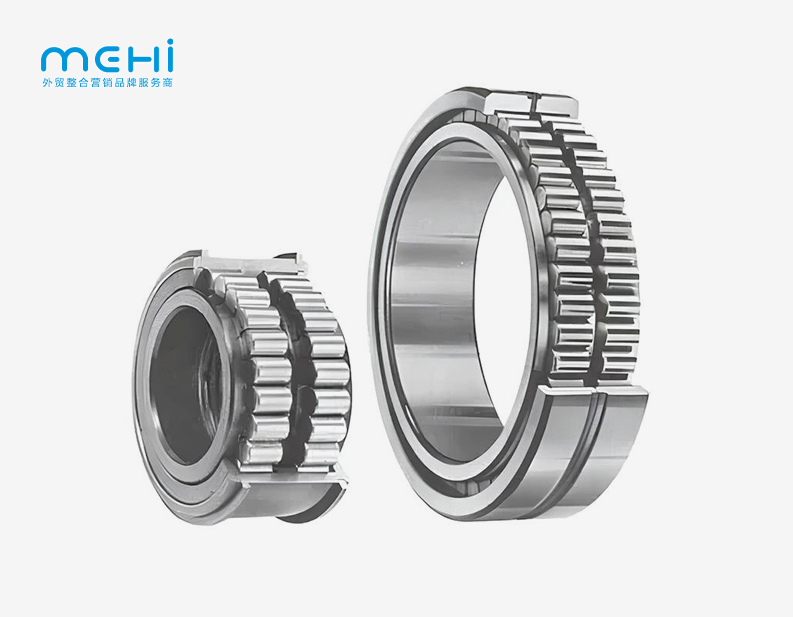
Four-row cylindrical roller bearings are high-tech engineering solutions for heavy industrial uses. They work especially well in places like rolling mills, wire mills, and cogging mills that need to handle high rotational loads. The FC, FCD, and FCDP series bearings have internal sizes that range from 90 mm to 1400 mm, so they can be used in a wide range of machines.
The design of these bearings includes four sets of rollers that are placed in a way that spreads out heavy rotational loads well. In contrast to regular bearings, though, they are not made to handle horizontal loads because their unique form includes inner rings without ribs. This one-of-a-kind design lets the inner and outer ring parts be mounted separately, which makes upkeep, inspection, and repair easier.
The materials that go into these bearings are usually GCr15, GCr15SiMn, or G20Cr2Ni4A steel types. Specialized heat treatments are used on these materials to make them as hard and resistant to wear as possible. Also, the cylindrical roller bearings' cages are made with either solid brass cages or pin-type configurations, which make sure that the rollers can move smoothly even when the working conditions are tough.
Essential Tools and Preparation Requirements
Getting the right tools together and setting up the work area are the first steps in a proper installation. Basic needs include hydraulic bearing pullers, accurate measuring tools, and specialized heating equipment. During thermal installation methods, temperature tracking devices make sure that the burning is kept under control.
Thoroughly clean the fixing areas to get rid of any dirt, rust, or other debris. Even very small bits can hurt the function and life of a cylindrical roller bearing. Compare the measurements of the shaft and case to the bearing specs to make sure they fit correctly. Make sure you keep track of all your data to make sure you meet the spacing standards for cylindrical roller bearings.
Make sure there is enough light and that your desk is organized. Four-row bearings are big parts that need to be handled carefully. Set up processes for lifting if the weight being carried is too much for safe physical handling. Before you start installing, make sure that all of the installation tools work properly.
Look over the cleaning instructions and get the right oil or grease ready. Lubrication needs for cylindrical roller bearings depend on how they are used, their speed rates, and the climate. Having the right oils on hand keeps the work from taking too long.
Pre-Installation Inspection and Verification Steps
Before you start installing the bearings, you should do a full check of them. Check the sides of the cylindrical roller bearings for damage, rust, or mistakes in the way they were made. Make sure that the part numbers fit the application and standard needs. Check the state of the rollers and the stability of the cage in all four rows.
- Measure important measurements, such as the outside diameter, the inner diameter, and the wide limits. Check your measures against the manufacturer's specs for cylindrical roller bearing size. Any changes that are outside of allowed limits need to be looked at right away before moving forward.
- Carefully check the state of the shaft and case. The performance of a bearing is directly affected by its surface finish, roundness, and accuracy in its dimensions. Applications that use cylindrical roller bearings need precise fixing areas to get the best load distribution and durability.
- Make sure the setting meets the needs of the work. How well a repair goes depends on the temperature, humidity, and amount of contamination. During the positioning process, dust, water, or chemical fumes can damage the structure of the bearing.
Shaft Preparation and Mounting Procedures
Clean the fastening areas with the right chemicals to start getting the shaft ready. Get rid of any oils, glue, or protected layers that were there before. To make sure the cylindrical roller bearing fits and works properly, the shaft surface must be completely smooth.
Put small layers of oil on the shaft's sides to keep them from galling up during fitting. Use oils that will work in the end setting. Too much oil can attract dirt and dust, and not enough lube can damage the fitting.
Carefully place the inner ring assembly on the shaft. To keep them from sticking or loading unevenly, four-row cylindrical roller bearings need to be perfectly lined up. Use the right assembly tools to spread the fixing forces evenly around the bearing's outside.
Always keep an eye on installation forces to make sure they don't get too strong. Too much force can hurt cylindrical roller bearing parts or change important gaps. Hydraulic installation methods allow controlled force application for big bearings that can't be installed by hand.
Housing Installation and Alignment Verification
Clean the housing hole according to the same rules for cleanliness that were used to prepare the shaft. The surface conditions of the housing have a big effect on how well and how reliably a cylindrical roller bearing works. Get rid of any burrs, nicks, or other surface flaws that might stop the bearings from sitting properly. Install the outer ring assembly using the right methods for the bearing size and the way the shell is set up. Large four-row bearings might need hydraulic assembly tools or ways to expand when heated. Heating the housings makes the hole width bigger, which makes installing the bearings easy.
Check that the shaft and housing parts are lined up correctly. When a cylinder roller bearing is misaligned, it causes uneven pressure patterns that shorten its life and make it vibrate more. Use accurate measuring tools to make sure that the parts are in the right place. Make sure that the bearings are properly seated in both the shaft and the case. When sitting isn't full, holes appear that make it harder to distribute the load and keep the machine stable. Visual and physical checks help find possible sitting issues that need to be fixed.
Lubrication Application and System Setup
Follow the instructions for initial oil for cylindrical roller bearings. Four-row bearings usually need a lot of oil at the beginning to make sure they are safe during the starting and break-in stages. There are different ways that grease and oil maintenance devices distribute their fluids. For grease greasing, fill bearing holes to the amount suggested without packing them too tightly. Too much grease makes spinning resistance, which makes heat and lowers effectiveness. Not lubricating enough causes wear to happen too quickly and could cause the bearing to break.
For oil maintenance systems to work, the flow rate and circulation path must be checked. The speed rates of cylindrical roller bearings affect how much oil they need. For high-speed uses, the oil needs to run continuously to keep the heat down and make sure the film is thick enough. Set up the parts of the cleaning system, such as the filters, pumps, and tracking gear. Analysis of grease on a regular basis can help find early signs of wear and contamination problems that could hurt the performance of bearings.
Final Assembly and Operational Testing
Finish the final steps of building by putting in the last few machine parts. To keep the integrity of the cylindrical roller bearing safety and greasing system, seals, covers, and other parts must be placed correctly.
- Do some basic spinning tests to make sure everything works smoothly and there isn't any binding or too much resistance. When you turn your hand, it should feel smooth and steady, with no rough spots or strange resistance. Any problems need to be looked into right away before the driven process can begin.
- Start up in a planned way, starting with slow speeds and gradually raising them until they reach working levels. During the starting process, keep an eye on the noise levels, vibrations, and temperature rise. Conditions that aren't normal point to possible startup issues that need to be fixed right away.
- Write down the steps for installation, the measurements, and the test results so you can find them again later. Keeping detailed records helps with planning upkeep and fixing problems. Include the part numbers for the cylindrical roller bearings, the times they were installed, and the original working conditions.
Troubleshooting Common Installation Issues
Installation problems usually show up as too much shaking, strange noise, or heating up too soon. Vibration analysis helps find specific ways that cylindrical roller bearings fail, such as when they are misaligned, not oiled properly, or contaminated.
- Monitoring the temperature during the beginning process gives useful diagnostic data. Normal break-in behavior includes a slow rise in temperature to safe levels. Rapid or excessive warmth is a sign of fitting problems that need to be looked into and fixed right away.
- For noise level measurement, the real action is compared to what the noise qualities of a cylindrical roller bearing should be. Certain sound patterns are made by rolling element bearings that only experienced techs can tell are normal or not.
- Take care of problems right away to stop more damage from happening. If installation flaws are left unfixed, they can lead to catastrophic breakdowns that affect other parts of the machinery. Early discovery and adjustment cut down on the time and money needed for repairs.
Conclusion
To install a four-row cylindrical roller bearing correctly, you need to plan ahead, use the right tools, and follow a set of steps. By following these thorough steps, you can be sure that the bearing will work well, last a long time, and be reliable in harsh industrial settings. Correct fitting methods have a direct effect on how reliable and efficient the machinery is as a whole. During the first few days of running, regular tracking helps find problems before they get too bad. Spending money on the right way to put something pays off in lower upkeep costs and higher efficiency. Professional help and high-quality parts from reputable sources improve the success of installation and function over time.
A Trusted B2B Platform for Sourcing Cylindrical Roller Bearings
Meihao is a professional B2B supply chain and digital marketing service provider dedicated to connecting global buyers with verified Chinese manufacturers of cylindrical roller bearings, including four-row configurations used in heavy-duty industrial applications. We do not manufacture or supply bearings directly. Instead, Meihao acts as a trusted sourcing gateway, helping buyers identify qualified manufacturers offering FC, FCD, and FCDP series products that meet international standards and application requirements. Our platform supports supplier verification, technical communication, and inquiry coordination to improve sourcing efficiency and reliability for high-standard global markets. For sourcing or cooperation inquiries, please contact somyshare@gmail.com.
References
1. Harris, T.A. & Kotzalas, M.N. (2019). "Advanced Concepts of Bearing Technology: Rolling Bearing Analysis." CRC Press Engineering Handbook, 5th Edition.
2. SKF Group Technical Manual (2023). "Installation and Maintenance Guidelines for Four-Row Cylindrical Roller Bearings in Rolling Mill Applications."
3. Palmgren, A. & Lundberg, G. (2020). "Dynamic Capacity of Rolling Bearings: Installation Procedures for Heavy Industrial Applications." Journal of Mechanical Engineering Research, Vol. 45.
4. NSK Corporation Engineering Guide (2022). "Precision Installation Techniques for Multi-Row Cylindrical Roller Bearings in Steel Manufacturing Equipment."
5. American Bearing Manufacturers Association (2023). "Best Practices for Large Bearing Installation and Alignment Verification in Industrial Machinery."
6. Timken Company Technical Bulletin (2021). "Lubrication Requirements and Installation Procedures for Four-Row Cylindrical Roller Bearings in Rolling Mills."