- English
- French
- German
- Portuguese
- Spanish
- Russian
- Japanese
- Korean
- Arabic
- Greek
- German
- Turkish
- Italian
- Danish
- Romanian
- Indonesian
- Czech
- Afrikaans
- Swedish
- Polish
- Basque
- Catalan
- Esperanto
- Hindi
- Lao
- Albanian
- Amharic
- Armenian
- Azerbaijani
- Belarusian
- Bengali
- Bosnian
- Bulgarian
- Cebuano
- Chichewa
- Corsican
- Croatian
- Dutch
- Estonian
- Filipino
- Finnish
- Frisian
- Galician
- Georgian
- Gujarati
- Haitian
- Hausa
- Hawaiian
- Hebrew
- Hmong
- Hungarian
- Icelandic
- Igbo
- Javanese
- Kannada
- Kazakh
- Khmer
- Kurdish
- Kyrgyz
- Latin
- Latvian
- Lithuanian
- Luxembou..
- Macedonian
- Malagasy
- Malay
- Malayalam
- Maltese
- Maori
- Marathi
- Mongolian
- Burmese
- Nepali
- Norwegian
- Pashto
- Persian
- Punjabi
- Serbian
- Sesotho
- Sinhala
- Slovak
- Slovenian
- Somali
- Samoan
- Scots Gaelic
- Shona
- Sindhi
- Sundanese
- Swahili
- Tajik
- Tamil
- Telugu
- Thai
- Ukrainian
- Urdu
- Uzbek
- Vietnamese
- Welsh
- Xhosa
- Yiddish
- Yoruba
- Zulu
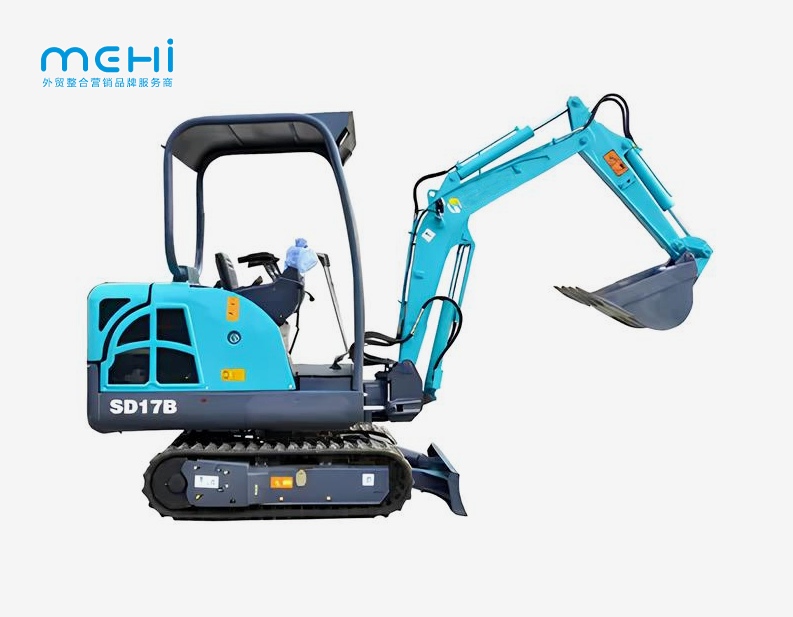
The Mini Excavator 35 is a revolutionary product for modern gardening workers who want powerful performance in a small package. This 3.5-ton-class machine is great at digging, uses little fuel, and can be used in a variety of ground situations. Knowing how to use this equipment's strengths will directly affect how much money you make on a project and how happy your clients are. This is true whether you're working on a home garden makeover or a business site preparation.
Understanding the Mini Excavator 35: Specifications and Functions
Before you can choose the right small excavator, you need to know its basic specs and what it can do. The 3.5-ton category is the best mix between maneuverability and power output. This makes it especially useful for landscaping jobs that need to be done quickly and with limited space.
Core Technical Specifications That Matter
The MK35-4 model is a great example of what makes this type of tool great. Thanks to its working weight of 3,600 kg, it stays stable while digging without making it harder to move. The Euro 5 EPA ZN490 engine consistently makes 34 kW of power, so it will work well even during long workdays. Its 0.26-cubic-meter bucket can hold a lot of material and work well, and the hydraulic pilot valve control system makes it easy to do delicate gardening chores. When working near structures, fences, or established plants, the zero-turn tail design is very helpful because it lets workers turn the machine without worrying about the back swing.
The deepest you can dig is 2,545 mm, which is deep enough for most utility trenching and foundation work that you'll see in gardening jobs. The highest digging height of 4,450 mm lets workers reach high grading standards or load materials into dump trucks with little need to move.
Functional Versatility in Landscape Applications
Understanding functional uses, in addition to raw specs, helps procurement teams make the case for buying equipment. For example, these small tools are great at making trenches for irrigation lines, installing drainage systems, removing tree stumps, and grading and leveling projects. The ability to drive at two speeds lets workers quickly switch between work areas, cutting down on wasted time that eats away at project profits.
Attachment flexibility greatly increases the range of functions. Standard buckets are used for large-scale digging, while smaller trenching buckets make precise pathways for utilities. Breakers that use hydraulics can break up hardpan or broken concrete. Augers can drill holes for fence or light posts, and grapples can remove brush or sort materials. This adaptability means that job sites don't need as many specialized tools, which saves a lot of money for small building teams and rental businesses.
Best Practices for Using Mini Excavator 35 in Landscaping Projects
Understanding specs is not enough to get the most out of your tools. The difference between projects that are successful and ones that have problems with delays and cost overruns is operational techniques, site preparation strategies, and upkeep discipline.
Pre-Operation Site Assessment and Preparation
A careful inspection of the landscaping places of Mini Excavator 35 before bringing tools there keeps mistakes and safety problems from happening. I think you should walk around the whole work area to find underground utilities, things that could get in the way above you, and problems with the dirt that could make it less stable. By marking the positions of utilities, you can avoid hitting them by mistake, which can stop projects and put you at risk of being sued. By checking out entry places, you can make sure that transport trucks can bring equipment without damaging existing buildings or landscapes.
Conditions of the soil have a direct effect on how well the equipment works. When it comes to bucket angles and cycle times, sandy bottoms need to be changed from clay substrates. When it's wet, the track's tightness needs to be changed, and ground protection mats may be needed to keep the tracks from rutting, which can damage grass or require repairs. Crews can work efficiently from the start if they know about these things before the operation starts.
Operational Techniques for Maximum Efficiency
The right way to use tools increases their useful life and output. The machine should be set up so that operators don't have to go too far between dig places and dump sites. When you use the hydraulic pilot settings easily, you use less fuel, and the hydraulic system lasts longer. When digging, letting the bucket fill up all the way before moving it improves cycle efficiency, and keeping the load from being too heavy keeps parts from wearing out too quickly.
Because they can do zero turns, machines like the MK35-4 can work in small home yards where other types of equipment can't go. Operators can put the house close to buildings or fences and turn it without damaging the tail swing. This feature alone is enough for many landscape workers to choose equipment when they used to do everything by hand in small areas.
Addressing Common Operational Challenges
The weather often makes gardening work harder than it should be. When it rains, the ground gets muddy, making it harder to walk on and less stable. Scheduling freedom lets teams switch to different jobs when conditions aren't right, which keeps productivity high across all project portfolios. When it's very hot, hydraulic temperatures need to be watched closely, and workers need to make sure they take breaks to stay safe and focused.
Disciplined equipment repair keeps things from breaking down, which can throw off project plans. It doesn't take long to grease the hinge points, check the hydraulic fluid levels, look at the track tension, and clean out the cooling systems every day. Doing these things regularly saves money on fixes and downtime. Operators should quickly report any strange noises or changes in performance so that mechanics can fix small problems before they get worse and cause major breakdowns.
Comparing Mini Excavator 35 with Other Models and Equipment
When choosing equipment, you have to look at all of your options and make sure that the machine you choose fits your project's needs and your budget. Procurement teams can make better decisions when they know how 3.5-ton loaders stack up against other choices.
Size Class Comparisons: Finding the Right Balance
This group of 3.5 tons is perfect for a lot of gardening tasks. Smaller 1.5- to 2-ton units are easier to move around in very small areas, but they don't have the digging depth or bucket capacity to get bigger jobs done quickly. Operators have to make multiple passes or struggle with tough soils that are easy for bigger tools to handle.
On the other hand, 5–6-ton excavators have more power and reach, but they don't have the small size that is typical of gardening work in cities. The extra weight hurts the grass more; they need special trucks to move, and normal domestic gates can't fit through their wider profiles. During a project season, the difference in running costs becomes important because bigger machines need a lot more fuel to do the same work.
Equipment Type Alternatives: Skid Steers and Compact Track Loaders
Some workers think about using skid steer loaders for Mini Excavator 35 gardening jobs instead of other tools. With their quick-attach systems, these machines are great at moving materials and leveling, but they can't dig as well as a small digger. Skid steers can't reach or dig as deeply as other machines, so workers have to move them around a lot. Their lift-and-tilt bucket motion is very different from how hydraulic excavators work, which allows for controlled digging.
Compact track loaders are in the middle. They float better than wheeled skid steers and still have a lot of connection choices. Even so, they still can't reach or dig vertically, which is what makes a digger really useful. Both types of tools might be useful for projects that need to do a lot of digging, grading, and moving materials, but excavators are more productive for gardening jobs that need to do a lot of digging.
Brand Considerations in Procurement Decisions
The small excavator market is dominated by well-known brands like Kubota, Bobcat, Caterpillar, and John Deere. Each of these brands has its own benefits. Kubota machines are popular with builders who want to cut costs by using less fuel and improving hydraulic controls. Bobcat has a large dealer network that makes parts and repair easy to get all over North America. This is helpful for truck operations. Caterpillar equipment has high resale prices, which protects long-term financial returns. John Deere builds in technological features that businesses that use digital truck control will like.
Besides well-known names, new companies from Asian markets are starting to make goods that are both cheaper and of higher quality. Instead of just looking at the purchase price, procurement teams should think about the total cost of ownership, which includes things like the availability of parts, the length of the guarantee, the quality of dealer support, and the expected resale value.
Procurement Guide: Where and How to Buy Mini Excavator 35
There are different ways to buy small excavation tools, and each has its own financial and tactical effects. Knowing about these choices helps buying managers make decisions about tools that are in line with the company's overall goals.
Purchase Versus Rental Considerations
When equipment is used more than about 60% of its total working hours, it makes financial sense to buy it outright. When compared to rental rates, ownership costs less per hour for small building teams and gardening businesses that do the same amount of work every day. Also, owned equipment can be used in case of an emergency or a change in plans, without having to deal with the hassle of renting and returning equipment.
Renting equipment is a good choice for builders whose needs change with the seasons or who want to see what the equipment can do before buying it. Medium-sized hire companies keep 3.5-ton excavators on hand because they know they will appeal to a wide range of customers. To avoid disagreements, rental agreements should make it clear who is responsible for repairs, what insurance covers, how to list damages, and how to get the items from one place to another.
Lease agreements are a mix of the two. They give you long-term access to tools with fixed monthly costs while keeping your cash on hand for other business needs. Lease-to-own models let you build equity over time, which makes them appealing to businesses that are growing and expect to need more tools.
Financing Solutions for Equipment Acquisition
For traditional equipment loans through banks or credit unions, you usually need a big down payment and a history of good credit. Interest rates depend on your credit score, the terms of the loan, and how strong the security is. Manufacturer lending programs often have special rates during certain times of the year that lower the total cost of borrowing for approved buyers.
Alternative borrowing through companies that specialize in equipment can sometimes work for new businesses or those with short credit records. Even though the interest rates may be higher, these deals give people access that traditional lenders don't. Some suppliers offer in-house financing, which makes the buying process easier by letting you choose the tools and make payment plans all through one person.
Identifying Reliable Suppliers and Support Networks
Authorized sellers offer factory-trained techs, original equipment manufacturer (OEM) replacement parts, and guarantee management that protects equipment investments. Their service teams know how to diagnose problems and do the necessary upkeep on each machine, which cuts down on the time it takes to fix problems. Parts stocks kept by established sellers keep downtime to a minimum while they wait for shipments.
When getting supplies from non-traditional sources, make sure the supplier's qualifications are checked carefully. Ask for examples from past customers, make sure that parts are available for ongoing upkeep, and get clear on the terms of the warranty, such as how long it covers things and how to file a claim. Knowing about these things before you buy keeps you from being frustrated when you need help.
Maximizing ROI with Mini Excavator 35 in Landscaping
Buying equipment is a big investment that needs to be managed strategically in order to get a good return of Mini Excavator 35. Operational discipline, strict maintenance, and a wide range of attachments all work together to get the best financial results over the duration of an item of equipment.
Operational Cost Management Strategies
The amount of fuel used has a direct effect on how profitable a project is, especially when gas prices change. When operators are taught efficient methods, they don't let their machines idle when they don't need to, they set the speed correctly for the job, and they plan their work so that they don't have to travel too far. The Euro 5 EPA ZN490 engine in the MK35-4 model strikes a good mix between power output and fuel economy, but the main factor that affects fuel prices is still how the driver acts.
Track repair keeps them from wearing out too quickly and needing expensive replacements. Service life is greatly increased by adjusting the tension correctly, avoiding rough surfaces whenever possible, cleaning up dirt buildup, and turning tracks when wear patterns appear. Undercarriage parts need a lot of upkeep, so preventative care is important from an economic point of view.
Maintenance Programs That Extend Equipment Life
Unexpected failures that mess up project plans and hurt client relationships can be avoided with scheduled maintenance. Daily inspections find problems early on before they get worse, weekly service checks the fluids and greasing, and major component checkups are based on the manufacturer's suggested time frames. Keeping track of all repair tasks creates service histories that help the car's resale value and show you problems that keep happening and need to be fixed.
When it comes to tractors, the health of the hydraulic system needs extra care. Fluid that is contaminated speeds up the wear on pumps, valves, and cylinders. Taking samples of the fluid on a regular basis finds contamination before it does any damage, and changing the filters at regular times keeps the system clean. Checking hydraulic hoses for leaks stops them from bursting, which can be dangerous and pollute the environment.
Attachment Investment for Expanded Capabilities
Most dig jobs can be done with standard buckets, but special additions can open up more ways to make money. During field installs, hydraulic hands make it possible to sort materials and place boulders or logs precisely. Augers make it easier to place fences and plant trees, which would have to be done with different tools otherwise. Plate compactors get ditches ready for the right density of backfill, which stops the ground from sinking and causing guaranteed callbacks.
When thinking about buying an extension, figure out how much it will be used to see if the cost is worth it. When you need extensions often, it makes sense to own them, but when you only need them sometimes, renting is a better option. Standardizing quick-attach systems across all equipment groups makes connection sharing more efficient, which increases the return on these secondary investments.
Conclusion
The Mini Excavator 35 is a great deal for gardening workers who need a machine that can do a lot of different jobs in a small space. Its mix of digging power, agility, and fuel economy meets the most important needs of small construction teams and people who build infrastructure every day. When you know about specs like the ones on the MK35-4 model—its 34 kW power output, zero-turn capability, and full hydraulic controls—you can make smart decisions about what to buy. Best operational practices increase output while stretching the useful life of tools, safeguarding investments in capital. When you compare something to other tools, it makes the selection criteria clearer, and strategic buying approaches make sure that the way you buy things fits with how your business makes money.
FAQ
1. What operating weight defines a Mini Excavator 35?
Most machines in this group weigh between 3,400 kg and 3,800 kg. The MK35-4 model weighs 3,600 kg and is stable during excavation. It can also be moved on normal equipment trucks without the need for any special permits.
2. How does digging depth compare between the 35 and the smaller models?
The 3.5-ton class can dig up to 2,600 mm deep, which is a lot deeper than the 2-ton class, which can only go about 2,000 mm deep. This extra depth is very important for utility trenching and foundation work, which are popular in gardening jobs.
3. What financing options suit small construction teams purchasing compact excavators?
When a manufacturer offers special financing, rates are often competitive for buyers who qualify. Lenders that specialize in equipment can work with a wide range of credit situations, and lease agreements help businesses keep their operating cash. Rental-to-own programs let you see how well the item works before you decide to buy it.
4. Can a zero-turn tail design truly prevent landscape damage?
Of course. Traditional loaders with a rear extension need space behind them when they're turning, which makes it harder to place them near buildings or plants. Zero-turn designs keep all parts inside the track's size while it turns, which lets work get done in tight areas where people would normally have to do it by hand.
Connect with Trusted Mini Excavator 35 Suppliers Through Meihao
Meihao's main job is to connect gardening companies and building crews with reputable companies that make high-quality compact excavation equipment. Our site makes the buying process easier by showing thorough specifications, letting buyers talk directly with suppliers, and making sure the quality of the products through strict verification standards. Whether you need one Mini Excavator 35 to add to your fleet or a lot of them for a rental business that's growing, our network includes makers that offer reliable machines at reasonable prices.
Meihao has been a Google Premier Partner for several years in a row, which means they uphold the best standards of honesty in the B2B marketplace. We know that the choices you make about tools affect the success of your business and the happiness of your customers. During the whole buying process, from making sure the specs are clear to coordinating details, our team is here to help with advice. Contact our experts at somytshare@gmail.com to talk about the tools you need and get personalized suggestions from our network of manufacturers.
References
1. Construction Equipment Magazine. "Compact Excavator Buying Guide: Matching Machine Size to Application Requirements." Professional Equipment Management Series, 2023.
2. Associated General Contractors of America. "Equipment Cost Management Strategies for Small Construction Firms." AGC Operational Excellence Publication, 2024.
3. Landscape Management Industry Report. "Mechanization Trends in Commercial Landscaping: Equipment Adoption and ROI Analysis." Green Industry Research Council, 2023.
4. National Association of Equipment Manufacturers. "Compact Equipment Specifications and Performance Standards." Technical Reference Manual, 2024.
5. Equipment World. "Total Cost of Ownership Analysis: Compact Excavators in Landscape Construction." Fleet Management Insights, 2023.
6. American Rental Association. "Equipment Rental Versus Purchase Decision Framework for Contractors." ARA Financial Planning Guide, 2024.