- English
- French
- German
- Portuguese
- Spanish
- Russian
- Japanese
- Korean
- Arabic
- Greek
- German
- Turkish
- Italian
- Danish
- Romanian
- Indonesian
- Czech
- Afrikaans
- Swedish
- Polish
- Basque
- Catalan
- Esperanto
- Hindi
- Lao
- Albanian
- Amharic
- Armenian
- Azerbaijani
- Belarusian
- Bengali
- Bosnian
- Bulgarian
- Cebuano
- Chichewa
- Corsican
- Croatian
- Dutch
- Estonian
- Filipino
- Finnish
- Frisian
- Galician
- Georgian
- Gujarati
- Haitian
- Hausa
- Hawaiian
- Hebrew
- Hmong
- Hungarian
- Icelandic
- Igbo
- Javanese
- Kannada
- Kazakh
- Khmer
- Kurdish
- Kyrgyz
- Latin
- Latvian
- Lithuanian
- Luxembou..
- Macedonian
- Malagasy
- Malay
- Malayalam
- Maltese
- Maori
- Marathi
- Mongolian
- Burmese
- Nepali
- Norwegian
- Pashto
- Persian
- Punjabi
- Serbian
- Sesotho
- Sinhala
- Slovak
- Slovenian
- Somali
- Samoan
- Scots Gaelic
- Shona
- Sindhi
- Sundanese
- Swahili
- Tajik
- Tamil
- Telugu
- Thai
- Ukrainian
- Urdu
- Uzbek
- Vietnamese
- Welsh
- Xhosa
- Yiddish
- Yoruba
- Zulu
To properly maintain a Mini Excavator 35, you need a plan that includes both preventative maintenance and quick fixes for problems that arise. The 35-class machine is a 3.5-ton compact digger made for small building teams and urban infrastructure projects. It is a good mix of power and flexibility. Proper repair has a direct effect on fuel economy, operational uptime, and the resale value of equipment. These are all very important factors for rental companies and foundation builders who are working with limited funds. Setting up regular testing procedures and working with dependable parts providers will make sure that your investment works well on all job sites.
Understanding the Core Components of Mini Excavator 35's Maintenance
Engine Systems and Power Delivery
The MK35-4 Mini Excavator 35 has a Euro 5 EPA-compliant ZN490 engine that makes 34 kW of power and was designed to reduce emissions without lowering performance. Pay attention to the quality of the fuel and the cleanliness of the pumping system for this diesel engine. Diesel fuel that is contaminated is still the main reason why injectors get clogged, and carbon builds up in the combustion chamber. The engine management system checks the performance factors while it's running, but workers need to keep an eye out for any strange colors in the exhaust smoke. For example, black smoke means the combustion isn't complete, and blue-tinted exhaust means there are problems with the oil burning that need to be looked into right away. The air entry system needs extra attention because building sites produce a lot of dust that makes filters saturate more quickly. Power loss and excessive fuel use can be avoided by replacing air filters based on working conditions instead of set times.
Hydraulic Pilot Valve Control Systems
Professional-grade excavators are different from consumer tools because they have hydraulic starter valve control. The MK35-4's hydraulics are controlled by a pilot, which makes it easy to control the bucket and make smooth swing movements that are needed for sensitive urban utility work. Hydraulic fluid does many things, including moving power, keeping internal parts smooth, and getting rid of the heat that is made during high-pressure operations. We suggest that samples of hydraulic oil be analyzed every 500 hours of operation to look for metal bits that show internal wear before a major failure happens. Usually, flow filters, pressure line filters, and return line filters make up the hydraulic system's filtering setup. Knowing when to change each one keeps dirt from moving through expensive cylinders and motors, and they each play a different defensive role.
Swing Bearing and Undercarriage Components
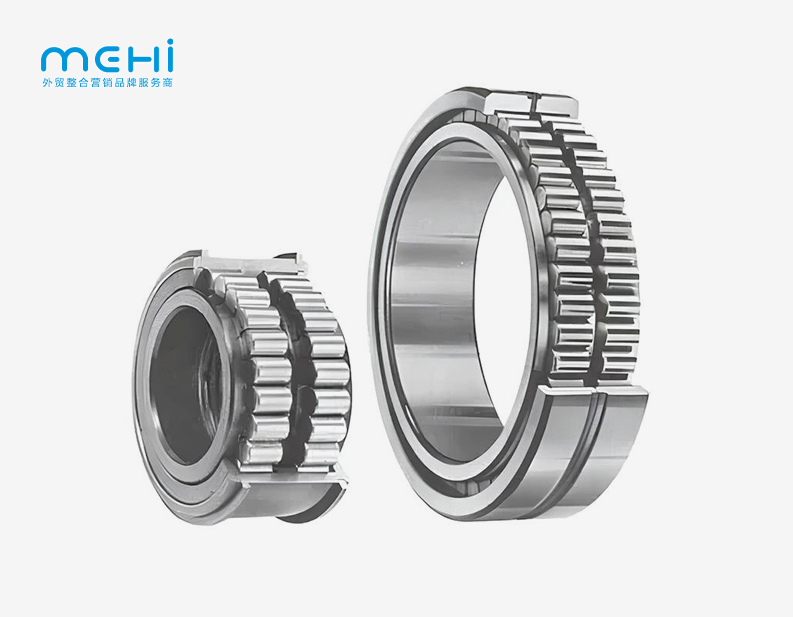
The swing bearing allows the digger to turn in a full circle and supports its 3600 kg working weight as well as dynamic loads during digging. This special slewing ring is stressed in many different ways, including axial loads from the machine's weight, rotational forces during digging, and tilting moments when working on hills. The MK35-4's zero-turn tail design puts extra stress on the swing bearing when it has to move around in tight spaces. Proper greasing keeps the load spread out across the rolling elements. If there isn't enough grease, metal-on-metal contact happens, which makes noise in the bearing and finally leads to catastrophic failure. Track systems, such as rollers, idlers, and track chains, need to be looked at every day to see if any waste has built up and is speeding up the wear patterns. Keeping the track tension just right—not too loose nor too tight—extends the life of parts and makes the machine more stable during boom operations.
Comprehensive Checklist for Mini Excavator 35's Routine Maintenance
Daily Pre-Operation Inspections
Setting up a strict daily check schedule for the mini excavator 35 keeps small issues from getting worse and causing costly downtime. Visual walkarounds show problems that are easy to see, like hydraulic leaks that show up as dark spots on cylinders or lines, cracks in the boom or arm's structure, and fixing bolts that are too loose and move around when the machine is running. Checking the oil level in the engine before starting it saves the internal parts. Running the engine with low oil pressure damages the bearings in just a few minutes. The amount of coolant should also be checked, especially before a treatment in hot weather. For the dual-speed journey system to work properly, both the low- and high-speed settings must be checked. When operators try all the control functions—boom raise/lower, arm curl/dump, bucket roll, and swing left/right—they should make note of any slow responses that could mean there are hydraulic problems that need to be fixed.
Doing these routine checks first thing in the morning takes about fifteen minutes, but they find problems before they get in the way of project plans. Keeping a simple checklist with dates on it is a good way to keep repair records that can be used for insurance claims and to sell the item later.
Weekly and Monthly Service Procedures
Lubrication spots all over the machine are the focus of weekly maintenance. There are several grease ports on the MK35-4's hinge points, swing bearing, and bucket linkage. Proper security is achieved by applying grease until clean oil flushes out dirty grease from bearing surfaces. Checking the hydraulic oil level once a week can find slow leaks that daily checks might miss. Checking the 0.26 CBM bucket for cracks, worn cutting edges, and loose teeth keeps the connection from breaking during important tasks. Wear on the bucket teeth affects the entry force and the amount of fuel used. Replacing old teeth before they break completely makes digging much more efficient.
Oil and filter changes are done once a month based on working hours instead of the date and time. In normal conditions, the ZN490 engine needs its oil changed every 250 hours. However, in dusty areas or when it is running at high loads all the time, the gaps may need to be shortened. By changing the fuel filter, you keep dirt and other contaminants from getting into the pumping systems. Battery leads get corroded, which raises the electrical resistance. To make sure the system can start reliably, clean the connections and check the output of the charging system. Checking the cooling system for dirt buildup in the radiator fins helps keep the engine at the right temperature, which is especially important for meeting European emission standards.
Seasonal and Annual Maintenance Requirements
During seasonal changes, extra care needs to be taken to avoid problems caused by bad weather. Before the cooling system is put to use in the summer, it is tested under load to find worn-out parts that need to be replaced. Before the engine gets too hot, radiator pressure testing shows if the lines or cap seals are weak. As part of getting ready for winter, you should check the percentage of the coolant to make sure it doesn't freeze and make sure that the fuel additives don't gel in cold weather. Testing the battery's capacity before winter makes sure that it will start reliably when the weather gets cold and the pulling power drops.
Certified techs should check the structural stability, hydraulic system parts, and safety features during yearly thorough inspections. With a maximum digging depth of 2545 mm and a maximum digging height of 4450 mm, the boom and arm elements are put under a lot of force. Non-destructive testing can find stress cracks in a structure before it breaks. Replacing hydraulic hoses based on age instead of damage that can be seen keeps them from breaking down suddenly. Rubber materials break down over time no matter how they look. To keep up with job regulations, safety features like lights, backup alarms, and sensors that sense when a user is present must be checked to make sure they are working properly.
Troubleshooting Common Mini Excavator 35 Maintenance Challenges
Engine Performance Issues
A problem with the fuel system is often the cause of sudden power loss during operation on the Mini Excavator 35. Filters and injectors get clogged up with dirty fuel, which makes the ZN490's 34 kW power much less noticeable. When filters are changed, air gets stuck in the fuel lines and stops the injection pressure from being right. Normal function is restored by bleeding the fuel system according to the manufacturer's instructions. Too much engine shaking on the Mini Excavator 35 means there are problems with the mounting or an internal imbalance that needs to be checked out by a professional. When you speed up the Mini Excavator 35, black smoke coming from the exhaust suggests that you are either using too much fuel because of problems with the injectors or not getting enough air because the intake screens are jammed. If you take care of these signs right away, you can avoid expensive engine fixes.
Hydraulic System Malfunctions
When a hydraulic system fails, it usually makes a lot of noise, works slowly, or digs poorly. When the hydraulic oil level is too low, the pump can cavitate, which is bad because the pump absorbs air instead of fluid. When hydraulic oil is contaminated with water or particles, it speeds up the wear on parts by a huge amount. Oil analysis shows where the contamination comes from. Water contamination usually means that a seal has failed, letting water in. Metal bits show that an internal part is worn out and needs to be replaced. When the boom or arm slowly lowers when it is stopped, this is called "hydraulic cylinder drift." It means that the control valve is leaking or the cylinder seal is worn out and needs to be fixed to keep the machine safe to use.
Strange noises from the hydraulic system of the mini excavator 35 demand immediate attention. Pump turbulence or too much system pressure could be causing the whining sounds. If the swing motor makes grinding sounds, it means that a bearing is failing or that pollution is damaging it. Taking care of hydraulic problems right away stops failures that spread from one damaged part to the whole system, which would require a full fix that costs a lot more than the costs of early intervention.
Undercarriage and Structural Concerns
Track system problems make it harder for machines to move and stay stable. When the stress on the track is too low, it can derail during turns or when traveling over rough ground. When tracks are too tight, they make rollers, idlers, and drive sprockets wear out faster and use more power. Adjusting the tension correctly, which usually means letting you measure the exact sag halfway between the rollers, keeps wear evenly distributed and operations running smoothly. Track pads that are worn out make it harder to grip and damage smooth surfaces. When to replace the pad depends on how deep it still is and how the surface is on the job site.
Pay close attention to the swing bearing because signs of failure show up slowly over time. Strange sounds like popping, grinding, or clicking during spinning are signs of damage inside. If there are binding or tight spots during spinning, it means that the bearing race is damaged or not oiled enough. Metal flakes that can be seen in cleared grease are a sign of advanced wear that needs to be replaced right away before the machine stops working completely. Changing the swing bearings is a big job that needs the upper structure to be lifted with cranes or hydraulic jacks. However, replacing them before they wear out, based on how many hours they've been used, is much cheaper than making fixes quickly when the project is in a critical state.
Comparing Maintenance Needs: Mini Excavator 35 vs. Other Models
The 3.5-ton excavator class is in a good spot because it strikes a good balance between power and ease of upkeep. The hydraulic systems of smaller 2-ton machines are easier and have fewer parts that need to be serviced. However, because they can only move so far, they need to be repositioned more often, which raises the hourly running costs. Larger 5-ton excavators are more productive, but they are also more complicated. They have more complex emission control systems, more hydraulic circuits for attachments, and heavy structural parts that need special lifting tools to be fixed.
Maintenance schedules for the MK35-4 are in line with industry standards, and easy access to parts makes regular service easier. The shape of the engine cowling makes it easy to get to the oil filters, fuel filters, and fluid tanks without having to take off any panels. Routing hydraulic hoses in logical ways makes them easier to check and repair. This aspect of serviceability cuts down on the number of hours needed for maintenance, which is a big deal for rental companies that take care of a lot of machines or workers who do owner maintenance in between professional service visits.
When you compare gasoline and electric small excavators, you can see that they need different kinds of upkeep. Diesel engines need to have their fluids changed and their pollution systems maintained on a regular basis, but they work the same way no matter what the temperature it is. Electric types don't need any engine upkeep, but they do require more complicated battery management, such as keeping track of charge cycles, storage temperatures, and the cost of replacing batteries over time. The diesel-powered Mini Excavator 35 MK35-4 is good for jobs that need to go for a long time without refueling or that need to be done in high temperatures where batteries don't work as well.
Conclusion
To make the Mini Excavator 35 last longer through systematic care, you need to know how the main parts work, set up structured inspection plans, and work with dependable parts providers. When properly kept, the MK35-4's Euro 5-compliant power, hydraulic pilot control, and ability to turn in a circle make it a very good deal. Daily checks keep small problems from getting worse, and regular fluid changes and part repairs keep expensive systems from breaking down too soon. By noticing early warning signs like strange noises, changes in performance, or fluid leaks, you can make fixes before they get worse, which cuts down on downtime and costs. Time spent on preventative maintenance and finding good replacement parts always ends up being cheaper than fixes done after a major failure.
FAQ
1. How often should hydraulic oil be changed on a mini excavator 35?
When to change hydraulic oil depends on how the machine is being used, not on a set plan. In normal situations, changing the hydraulic oil every 1000 to 2000 hours of use keeps the system clean. Changes may need to be made every 500 to 1000 hours in harsh settings with a lot of dust, extreme temperatures, or big loads that stay on all the time. Regular oil analysis gives accurate information about the amount of pollution, which lets upkeep be based on conditions instead of random times. Always change the hydraulic filters at the same time as the oil so that caught bits don't get into the new fluid.
2. What maintenance tasks can operators perform versus requiring professional technicians?
As long as operators follow the manufacturer's instructions, they can do daily checks for fluid levels, simple greasing, and filter refills. Certified techs should do fixes to hydraulic systems, work on the inside of engines, perform electrical diagnostics, and do structural welding that needs special tools or technical know-how. If you try to fix complicated things without the right training, you could end up hurting yourself or doing more damage than the original repair cost. Being honest about your maintenance skills and knowing when to get professional help saves both operators and machine purchases.
Connect with Meihao for Premium Mini Excavator 35 Suppliers
To get the most out of your compact excavator's life, you need more than just maintenance information. You also need to be able to get parts from reputable makers. Meihao is a reliable business-to-business platform that connects people from around the world with verified Chinese companies that make building tools and replacement parts. Our platform carefully checks Mini Excavator 35 providers to make sure they meet international standards for quality, offer quick after-sales support, and meet the needs of global procurement experts. Whether you need whole machines or original spare parts, we can put you in touch with makers who can offer you good deals without lowering the quality standards. Meihao is a Google Premier Partner that has been recognized for greatness in 2023 and 2024 and was named the Top Google Partner in Greater China for 2024. They have a track record of success in foreign sourcing. You can look through our verified seller network at somyshare@gmail.com to talk about the tools you need and get personalized manufacturer suggestions.
References
1. Johnson, M. (2022). Heavy Equipment Maintenance Fundamentals: Extending Machinery Service Life Through Preventative Care. Industrial Press Publications.
2. Patterson, R. & Chen, L. (2023). Hydraulic Systems in Compact Construction Equipment: Design, Operation and Maintenance Protocols. Construction Machinery Institute Technical Report Series.
3. Anderson, K. (2021). Diesel Engine Maintenance for Construction Applications: Emission Standards and Performance Optimization. Society of Automotive Engineers Professional Development.
4. Williams, D. (2023). Undercarriage Component Analysis: Wear Patterns and Replacement Strategies for Tracked Equipment. International Journal of Construction Equipment Management, 47(3), 112-128.
5. Thompson, S. & Martinez, J. (2022). Total Cost of Ownership Analysis: Maintenance Investment versus Equipment Longevity in Compact Excavators. Equipment Management Quarterly Review.
6. European Construction Equipment Manufacturers Association. (2023). Best Practices for Mini Excavator Fleet Maintenance: Industry Standards and Recommended Protocols. ECEMA Technical Guidelines Publication.