- English
- French
- German
- Portuguese
- Spanish
- Russian
- Japanese
- Korean
- Arabic
- Greek
- German
- Turkish
- Italian
- Danish
- Romanian
- Indonesian
- Czech
- Afrikaans
- Swedish
- Polish
- Basque
- Catalan
- Esperanto
- Hindi
- Lao
- Albanian
- Amharic
- Armenian
- Azerbaijani
- Belarusian
- Bengali
- Bosnian
- Bulgarian
- Cebuano
- Chichewa
- Corsican
- Croatian
- Dutch
- Estonian
- Filipino
- Finnish
- Frisian
- Galician
- Georgian
- Gujarati
- Haitian
- Hausa
- Hawaiian
- Hebrew
- Hmong
- Hungarian
- Icelandic
- Igbo
- Javanese
- Kannada
- Kazakh
- Khmer
- Kurdish
- Kyrgyz
- Latin
- Latvian
- Lithuanian
- Luxembou..
- Macedonian
- Malagasy
- Malay
- Malayalam
- Maltese
- Maori
- Marathi
- Mongolian
- Burmese
- Nepali
- Norwegian
- Pashto
- Persian
- Punjabi
- Serbian
- Sesotho
- Sinhala
- Slovak
- Slovenian
- Somali
- Samoan
- Scots Gaelic
- Shona
- Sindhi
- Sundanese
- Swahili
- Tajik
- Tamil
- Telugu
- Thai
- Ukrainian
- Urdu
- Uzbek
- Vietnamese
- Welsh
- Xhosa
- Yiddish
- Yoruba
- Zulu
Picking the correct tools for installing a pipeline can make or break your project's budget. For trenching work in confined urban spaces and private areas, a mini excavator provides the ideal combination of small size, accurate digging, and operating efficiency. These tools are powerful enough to lay pipelines while still using little fuel and having low upkeep costs. More and more, workers who want to save money are using light-duty models that can install water, gas, and utility line installations without the extra costs that come with bigger machines.
Understanding Mini Excavators for Pipeline Installation
For pipeline jobs, you need special tools that can combine power and accuracy. Mini excavators have changed the way workers work on underground utilities because they can do things that bigger machines can't do in small spaces.
Core Components That Enable Efficient Trenching
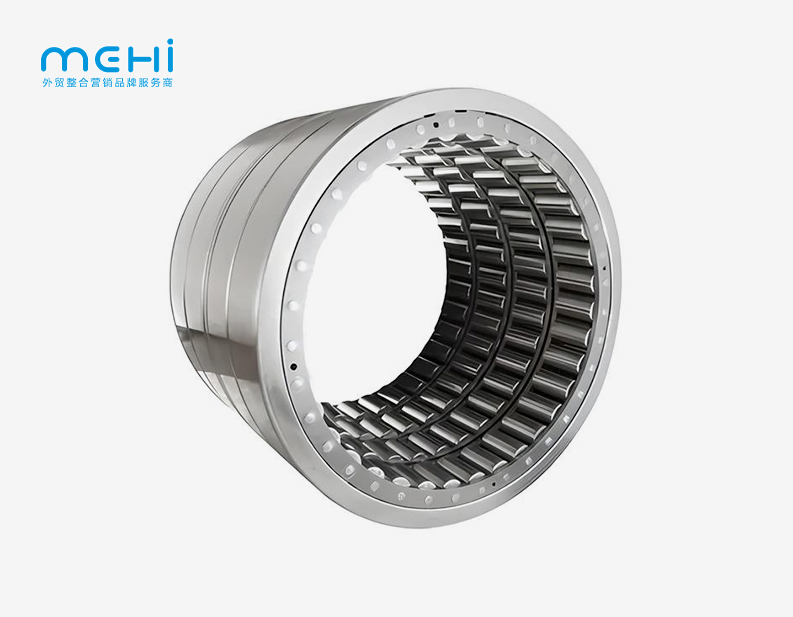
A mini excavator's hydraulic system and the way its wheels are built are what make it work. Modern units have hydraulic pilot valve settings that make moving the bucket smooth and quick, which is very important when working near utilities. The swing bearing, which is also known as a slewing ring or turntable bearing, links the upper structure to the base. It lets the upper structure rotate 360 degrees and supports axial, radial, and tilting loads while trenching.
This single-row four-point contact ball design with induction-hardened raceways stops raceway spalling before it should because of high-frequency vibration in small areas. The part also keeps the gear teeth from wearing down from repeated impact loads during trenching, so the accuracy stays the same even after thousands of spin cycles.
Advantages Over Standard Equipment for Pipeline Work
When working on pipelines in private areas or city districts, workers have to deal with space issues that regular excavators can't handle. Small machines like the 1.6-ton class have zero-tail-swing or minimal-tail-swing options, which let workers work next to buildings, fences, and stopped cars without having to keep moving the machines around.
The lower ground pressure of these tools saves finished surfaces and landscaping. This is especially helpful when putting in service lines through properties that are being kept up. Because they can be moved on regular trucks, they don't need any special hauling tools, which cuts down on the cost of moving them from job site to job site.
Selecting the Appropriate Size for Your Pipeline Projects
The diameter of the pipeline and the conditions of the dirt directly affect the choice of tools. For water service lines that are 1 to 4 inches wide, the holes need to be 12 to 18 inches wide and 24 to 48 inches deep. These requirements can be easily met by a 1.6-ton mini excavator with a maximum digging depth of about 1710 mm (about 67 inches).
Smaller tools can work well in sandy or soft soil, but they might not be able to handle clay or rocks. Regular types of dirt in the area that the contractor works in should be looked at, and the bucket's size should be matched to the density of the material. A 0.02 cubic meter bucket moves about 35 pounds of loose dirt per cycle, which is enough for light-duty pipeline construction without making the machine too heavy.
Key Cost Factors in Choosing Mini Excavators
Figuring out the total cost of ownership turns guessing into a smart investment when it comes to buying things. A number of types of expenses have a direct effect on long-term profits.
Fuel Consumption and Maintenance Schedules
Diesel engines are still the most common way for mini excavators to get power, and Euro 5 and EPA-compliant types try to balance speed with pollution rules. Under normal settings, a 7kW diesel engine uses between 0.8 and 1.2 gallons of fuel per hour. At gasoline prices that range from $3.50 per gallon across the US right now, daily fuel costs for an eight-hour shift range from $22 to $34.
Maintenance plans are based on regular times. Once every 250 hours, the engine oil is changed; once every 1,000 hours, the hydraulic oil is changed; and once every 500 hours, the hydraulic filter is changed. For modest use (800 hours), yearly upkeep usually costs between $800 and $1,200 and includes fluids, filters, and regular checks. The $3,000 to $5,000 repair cost that comes with contamination failure can be avoided by greasing swing bearings on a frequent basis.
Diesel Versus Electric Models
Electric mini excavators don't need any fuel at all because they get their power from normal 220V outlets. Based on industrial energy rates, the costs of running the business drop to about $4 to $6 per eight-hour shift. But electric types cost 15% to 25% more and can't be used on job sites outside where there isn't access to power.
Diesel units can move around freely and have faster cycle times when they are carrying big loads. Even though they cost more to run, diesel models are usually more useful for pipeline contractors who work at various places every day. Depending on the price of fuel and energy in your area, the point at which diesel and electric vehicles start to break even is around 1,200 yearly operating hours.
Ownership Options for Flexible Procurement
For workers who use tools 800 hours or more a year, buying it is the best long-term value. The price of a new 1.6-ton mini excavator can run anywhere from $22,000 to $32,000, based on the specifics and tools chosen. If you finance through an equipment supplier, you can pay over 36 to 60 months with interest rates between 4% and 7%. For mid-range units, the monthly payments run from $450 to $650.
Leasing fits contractors to test out new market niches or deal with changes in seasonal demand. Typical lease rates are $400 to $550 a month for 24 to 36 months, and there are buyout choices at the end of the lease. Rental makes sense for jobs that don't take more than 200 hours a year. Daily rates are around $200 to $300, and weekly rates are around $700 to $1,000.
Comparing Mini Excavator Models for Cost-Effective Procurement
There are a lot of different mini excavators on the market, and each one has its own performance features and total ownership costs.
Leading Brand Performance and Reliability
Kubota models like the U17, which are known for their reliable Kubota diesel engines and easy access to parts, make them the market leader in the domestic contractor segment. Rental companies like Bobcat E20 units because they are built to last and are easy to get to for upkeep. Caterpillar 301.5 models are more expensive, but they have higher reselling values. After five years, they still fetch 55% to 60% of their original price.
Larger companies that are in charge of multiple units, like how the John Deere 17G excavators combine connectivity and fleet management features. Takeuchi TB210R models have good guarantees and reasonable prices, but parts networks aren't as good in rural places. Chinese companies make entry-level models that cost between $18,000 and $24,000, which are good for buyers on a budget who are okay with waiting longer for parts.
Machine Power Matching to Soil Conditions
The actual digging ability is based on the engine horsepower and water flow rates. For digging trenches in sandy, loamy, or previously disturbed soils, like those used for home pipeline work, a 7 kW engine is enough power. Around 1,800 to 2,200 pounds of force are needed to dig through light clay and packed fill.
Soils that are rocky or very packed might need hydraulic breaker devices or bigger machines that weigh between 2.5 and 3 tons and have 12kW to 15kW engines. Instead of sizing tools for the few difficult sites, contractors should look at how the ground is usually under 80% of their jobs. Most of the time, renting bigger machines in tough situations is cheaper than buying heavy machinery.
The MK16 Mini Excavator Specification Overview
The MK16 is a good choice for pipeline contractors who want to mix value and efficiency. As a mini excavator with a working weight of 1,600 kg, this machine stays stable while trenching and can still be moved on normal trailers that can hold 3,500 pounds.
Its Euro 5 EPA diesel Koop 7 kW engine gives it reliable power while meeting current pollution standards. With a maximum digging distance of 2,920 mm, workers can dig from different angles, so they don't have to move around as much when they're near objects. Controlling the hydraulic pilot valve lets you move the bucket precisely around existing utilities, which is an important safety feature for installing service lines.
The 0.02 cubic meter bucket size strikes a good mix between cycle productivity and load weights that can be handled. This is especially useful when backfilling around new pipes, since too much filling could damage lines that were just put in. The maximum digging depth is 1,710 mm, which is enough for most household and light business pipeline burial needs. The maximum digging height is 2,690 mm, which makes it easier to load trash into dump trucks or spread it out.
The iron shell counterweight is strong enough to withstand impacts on the job site while still keeping the small size needed for gate entry and tight streets. This set of specifications meets the main needs of landscaping companies, small city care teams, and hire fleets that work with home builders.
Procurement Strategies for Cost Efficiency
Strategic buying looks at more than just the original purchase price. It also looks at the total value of ownership and the ability to change how things are run.
Identifying Reputable Equipment Sources
When you buy new equipment from an approved dealer, the manufacturer usually backs it up with a warranty that lasts for 12 months or 1,000 hours on major parts and two to three years on structural parts. For contractors who are new to mini excavators, dealer networks offer parts supplies, trained service techs, and training for operators.
On three- to five-year-old units, you can save 30% to 50% at places like online auctions and equipment exchange sellers that sell used equipment. Buyers should ask for records of previous maintenance, check the state of the swing bearings for play or noise, and make sure the hydraulic cylinder seals are intact. A lot of the time, machines that have been used only once and have 1,500 to 2,500 hours on them from rental groups are great deals.
Negotiation Tactics and Financing Options
When you buy equipment for more than $20,000, there are usually things that can be negotiated on top of the list price. To get people to buy, dealers often combine extras like attachments, longer warranties, or servicing plans. Contractors should get specific quotes that break down the cost of the machine and any extras that come with it. They should then discuss each part separately.
The end of the quarter and the end of the year give sellers extra time to meet their sales goals. In the north, ordering in the winter often gets you better prices than ordering in the spring, when building is busiest. When you pay cash, you can sometimes get savings of 3% to 5%. If you need financing, private finance arms may offer promotional rates below 2% during certain times.
Securing Robust After-Sales Support
The long-term value of tools rests a lot on how easy it is to get parts and service. Contractors should check the store service department's capacity, the average time it takes to get parts, and the training licenses of technicians. When fixes need to be done, brands with strong area dealer networks keep downtime to a minimum.
Options with extended warranties that last three to five years for a mini excavator cost an extra 8% to 12% of the machine's purchase price, but they save a lot of money on repairs during the first few years of a business's life. Contractors should figure out when they'll break even by comparing the cost of a guarantee to the average cost of fixing hydraulic pumps, swing motors, and control valves.
Conclusion
When choosing cost-effective mini excavators for installing pipelines, you have to weigh the initial investment against the savings you'll make in the long run and the extra work that they can do. In the 1.6-ton class, machines like the MK16 work best for residential and light business utility work. They can be moved easily in tight areas, can be transported on standard trailers, and have low running costs that are affordable for small contractors. Strategic buying from reliable suppliers, careful repair, and the right training for operators all help to extend the life of tools and make projects more profitable. Contractors who match the specs of a machine to the needs of the job avoid overinvesting and still have the ability to do good work quickly.
FAQ
1. What size mini excavator works best for typical pipeline projects?
For pipeline projects that involve water, gas, or utility services for homes, holes should be 12 to 24 inches wide and 24 to 60 inches deep. A 1.6-ton mini excavator that can dig up to 1,710 mm deep can handle these requirements well. This type of machine has enough breakout force for most types of soil while still having a small enough footprint for entry to private sites. Larger 2.5- to 3-ton types are only needed in rough terrain or for business pipeline operations with a diameter of more than 6 inches.
2. Should contractors rent or purchase equipment for pipeline work?
The most cost-effective way to own equipment depends on how it is used. Renting for $200 to $300 a day is usually a better deal for contractors who do fewer than 200 hours of pipeline work a year. Leasing spreads costs over 24 to 36 months, which is good for projects that use 400 to 800 hours of tools per year. When yearly use goes over 800 hours, it makes financial sense to buy, and the break-even point is usually reached within 18 to 24 months compared to ongoing rental costs.
3. How do electric models compare against diesel for total costs?
Electric mini excavators don't need to buy fuel, so their running costs are only $4 to $6 per eight-hour shift, compared to $22 to $34 for diesel models. Electric units, on the other hand, need to be connected to a power source and cost 15% to 25% more to buy. Around 1,200 hours a year is when the business breaks even. Although they cost more, diesel models are usually more useful for pipeline contractors who work at multiple places every day. On the other hand, electric models are more efficient for those who do long periods of work at one spot with access to power.
Partner with Meihao for Strategic Equipment Procurement
To find good mini excavator suppliers, you have to figure out complicated foreign supply lines and check the credentials of manufacturers. These are hard tasks that take time that you could be using to manage projects. Meihao Supply Chain Company's main job is to connect contractors with trusted Chinese companies that sell mini excavators and other building tools at low prices. Our platform carefully checks sellers' quality standards, safety certifications, and production capabilities to make sure buyers get reliable equipment that meets North American standards.
We are a Google Premier Partner for 2023 and 2024 and won the 2024 Top Google Partner award in Greater China. This means that we have the industry knowledge and market ties that make B2B buying easier. No matter if you just need one Mini Excavator or want to build a long-term relationship with a supplier of equipment, our team can help you find the right maker for your needs. To talk about your pipeline equipment needs, email our buying experts at somyshare@gmail.com.
References
1. Miller, James R. "Hydraulic Excavator Selection for Underground Utility Construction." Journal of Construction Engineering and Management, Vol. 145, No. 3, 2019.
2. Thompson, Sarah K. "Total Cost of Ownership Analysis for Compact Construction Equipment." Equipment World Magazine, Construction Equipment Guide Publications, 2021.
3. United States Department of Labor, Occupational Safety and Health Administration. "Trenching and Excavation Safety Standards." OSHA Publication 2226, Revised 2020.
4. Anderson, Michael P. "Swing Bearing Design and Maintenance in Compact Hydraulic Excavators." SAE Technical Paper Series, Society of Automotive Engineers International, 2018.
5. Chen, Wei and Roberts, David L. "Comparative Performance Analysis of Diesel and Electric Mini Excavators in Urban Construction." Construction Robotics Journal, Vol. 4, Issue 2, 2022.
6. National Utility Contractors Association. "Best Practices for Pipeline Installation with Compact Equipment." NUCA Technical Manual Series, 3rd Edition, 2020.