- English
- French
- German
- Portuguese
- Spanish
- Russian
- Japanese
- Korean
- Arabic
- Greek
- German
- Turkish
- Italian
- Danish
- Romanian
- Indonesian
- Czech
- Afrikaans
- Swedish
- Polish
- Basque
- Catalan
- Esperanto
- Hindi
- Lao
- Albanian
- Amharic
- Armenian
- Azerbaijani
- Belarusian
- Bengali
- Bosnian
- Bulgarian
- Cebuano
- Chichewa
- Corsican
- Croatian
- Dutch
- Estonian
- Filipino
- Finnish
- Frisian
- Galician
- Georgian
- Gujarati
- Haitian
- Hausa
- Hawaiian
- Hebrew
- Hmong
- Hungarian
- Icelandic
- Igbo
- Javanese
- Kannada
- Kazakh
- Khmer
- Kurdish
- Kyrgyz
- Latin
- Latvian
- Lithuanian
- Luxembou..
- Macedonian
- Malagasy
- Malay
- Malayalam
- Maltese
- Maori
- Marathi
- Mongolian
- Burmese
- Nepali
- Norwegian
- Pashto
- Persian
- Punjabi
- Serbian
- Sesotho
- Sinhala
- Slovak
- Slovenian
- Somali
- Samoan
- Scots Gaelic
- Shona
- Sindhi
- Sundanese
- Swahili
- Tajik
- Tamil
- Telugu
- Thai
- Ukrainian
- Urdu
- Uzbek
- Vietnamese
- Welsh
- Xhosa
- Yiddish
- Yoruba
- Zulu
Home builders in 2026 saw a need for small earth-moving tools that had never been seen before. The mini excavator market hit new highs in terms of cost and new ideas. There are now more small- to medium-sized jobs that need these mobile tools because they work well and are easy to move around. The hydraulic systems and engines in modern small tractors are very efficient and use very little fuel. Because of this, they are cheap choices for builders who need reliable tools that make them more productive without dropping safety or quality standards in today's tough building market.
Understanding Mini Excavators for Residential Construction
Compact earthmoving equipment has changed the way that plowing, gardening, and site preparation are done on homebuilding projects. These machines strike the right balance between power and accuracy. They are made to work well in tight areas while still being able to dig very deeply.
Core Components and Operating Mechanics
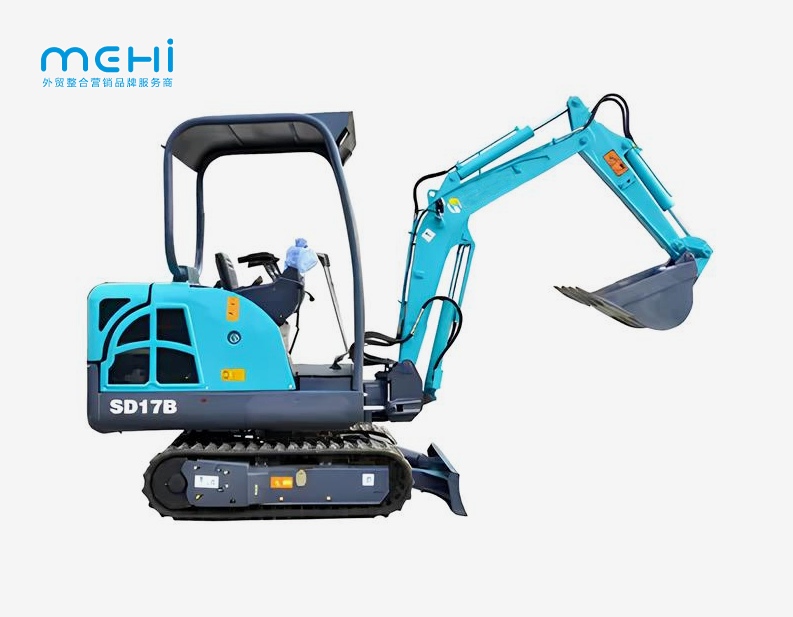
Small tractors today have very advanced hydraulic systems that let you control every move with great accuracy. Everything works perfectly thanks to the hydraulic pilot valve technology, which also keeps workers from getting tired after long shifts. Some of these tools have gas engines that are 7 kW to 15 kW. It doesn't take too much fuel to use this much power at home.
An upper frame that spins is connected to a tracking bottom in the basic form. The top structure can now turn full circle without the base unit moving. It is easy for workers to do their jobs in crowded home lots with this setup because bigger tools would have trouble moving around. Because it's small (it weighs between 1000 kg and 2000 kg), it can open and close regular home gates, and it stays stable while it's working.
Operational Advantages in Residential Settings
If you're building homes, you need tools that can be used in different weather situations and won't do too much damage to nearby houses. Tractors that are small and easy to move around work well in these places. Because of the hydraulic systems, construction work can be done carefully near buildings, utilities, and plants that need to be left alone.
It's not limited to digging; it can also level, dig holes, and move things. If you add the right extras, these tools can properly tear down houses, set up drainage systems, and prepare foundations. These tools don't damage grass or roads as much as bigger ones do because they don't put as much stress on the ground. In case you work from home, this is something to think about.
Safety Protocols and Maintenance Best Practices
Repairing your small tractor on a daily basis is important if you want to drive it safely. Every day, make sure the tracks, safety systems, and amounts of hydraulic fluid are all in good shape. The iron makes the balance stable, and when it hits something, it doesn't hurt inside.
Things will last a lot longer if you take good care of them. They won't break down when you least expect them to. You need to follow standard steps to keep diesel engines in good shape. Things like changing the oil often and fixing the filter when it breaks are good examples. Maintaining clean fluid and regular checks on the seals is important for the hydraulic system to continue working well. These safety measures keep the system working all the time, even when a lot of people are trying to build homes quickly.
Top Affordable Mini Excavator Models for 2026
For the best small digger, carefully consider how well it works, how reliable it is, and how much it will cost you in total to own it. Today, the market is full of options for all sorts of projects and price ranges.
Key Selection Criteria for Procurement Decisions
To buy the right tools for the job, you must first know what it needs and then match that with what the machine can do, such as a mini excavator. The working weight affects how easy it is to move and how much ground pressure it can handle. The engine's power determines how well the machine can dig in rough conditions. Deepness and reach standards must match the needs of the whole job for the digging to go well.
How much it costs to buy is not the same as how much it costs to enjoy. How long it's supposed to last, how much fuel it uses, and how much it costs to keep are some of the other parts. Long-lasting tools that come with a full guarantee may cost more at first, but they are worth it in the long run. It's very important to have service and parts that are easy to get as the equipment's life goes on.
MK13 Mini Excavator Specifications and Performance
If you're looking for a small digger, the MK13 is a great choice because it's cheap and works well. Even though it weighs 1300 kg, this machine is stable and can still be moved on a regular car. A Euro 5 EPA Kubota D722 10.2 kW engine is available for people who care about the environment, and a China Koop 7 kW diesel engine is available for people who need to save money.
It is possible to dig as deep as 1700 mm and as high as 2500 mm. In other words, it can be used for most household and home-based work. For most home digs, the 0.02CBM bucket size is enough, and it still lets you keep precise control for small jobs. When workers have double-speed potential, they can change how fast they move depending on the job and how much work needs to be done.
The machine works quickly and efficiently thanks to the hydraulic pilot valve control system. It also keeps the operator from getting tired after long hours of work. The machine is very stable, and the iron shell balance keeps it safe from damage that can come from falls, which happen a lot on home building sites.
Electric vs. Diesel Engine Comparisons
The kind of engine you choose has a big impact on how much it costs to run and how environmentally friendly it is. Diesel engines work well and don't need to be charged for a long time. They can be used for jobs that need to be done in remote areas or places with limited power. Depending on how they are built, different types of engines use fuel in different ways. Compared to how much power they have, modern diesel engines don't use much fuel.
Electric models are quieter and don't pollute the site, which is becoming more and more important for home projects that need to follow noise limits or care about the environment. The battery technology has gotten better, so it can work for longer and needs to be charged less often. However, it still costs more to start than similar fuel units. The project's needs, how things are usually done, and local environmental laws all play a role in the choice.
Making the Right Purchase Decision: New vs. Rental vs. Used
Strategies for buying equipment need to be in line with business goals, project timelines, and available funds. There are clear pros and cons to each choice that need to be carefully thought through.
Advantages of New Equipment Investment
Buying new tools gives you the most speed and dependability, along with the most up-to-date technology and guarantees. Modern machines have better safety features, more advanced hydraulic systems, and better fuel economy than older machines. The guarantee saves you from unexpected repair costs and gives you access to maker help during the covered time.
When new equipment gets better technology, it usually means that it is more productive and costs less to run over time. Hydraulic pilot valve control and improved engine management systems make the engine run better while using less fuel and needing less upkeep. These changes can make up for higher starting costs by saving money on running costs and making workers more productive.
Rental and Used Equipment Considerations
Rental choices, including mini excavators, give businesses that want to reduce cash investment or work on short-term projects more freedom. This method lets people use better technology without having to buy it, and it gives rental companies the responsibility of maintaining the equipment. But rental costs can be higher than buying costs for longer project timelines, so it's important to do a lot of research.
Used equipment has lower starting costs, but it needs to be carefully inspected, and its remaining useful life must be calculated. Maintenance records, working hours, and the state of parts all have a big effect on the long-term worth and dependability. Professional testing services can find problems before they become big problems that cost a lot or stop operations.
Financing Solutions for B2B Buyers
These days, there are many loan options that can fit a lot of different business types and cash flow needs. You have full control over traditional loans for tools and can set up payment plans. Leasing, on the other hand, gives you tax breaks and lower monthly payments. Lend-to-own programs mix the best parts of both ways to buy a car. They kept the bills low so that people could finally own something.
Businesses that want to grow and work on a lot of projects at once need to keep their working cash safe. Finding financing that fits the bill with project cash flows is a good way to keep things open while still getting people the tools they need. You can set up the best financial plans for your business based on its needs and growing goals with the help of a professional.
Customizing Your Mini Excavator: Attachments and Size Guide
Maximizing compact excavator versatility requires understanding available attachments and their applications in residential construction environments. Proper attachment selection transforms basic excavators into multi-functional tools capable of handling diverse project requirements.
Essential Attachment Options
Attachment variety extends compact excavator capabilities far beyond basic digging operations. Standard digging buckets in various widths accommodate different trench requirements and soil conditions. Trenching buckets provide precise utility installation capabilities, while grading buckets enable final surface preparation and landscaping work.
Hydraulic breakers transform excavators into demolition tools capable of breaking concrete, removing tree stumps, and processing rocky soil conditions. Auger attachments enable efficient posthole drilling and foundation pier installation. Hydraulic thumbs enhance material-handling capabilities, allowing precise placement of stones, pipes, and other construction materials.
Each attachment requires specific hydraulic flow and pressure requirements that must match the base machine's capabilities. The MK13's hydraulic system provides adequate power for most standard attachments while maintaining smooth operation and precise control. Understanding these requirements ensures optimal performance and prevents equipment damage from improper attachment selection.
Size Selection Guidelines
Choosing an appropriate compact excavator size involves balancing lifting capacity, digging reach, and transport considerations with typical project requirements. Machines in the 1300kg class, like the MK13, provide excellent versatility for residential applications while remaining transportable on standard trailers without special permits.
Operating weight directly affects stability and lifting capacity, crucial factors for material handling and working on sloped terrain common in residential construction. The counterweight design must provide adequate stability for maximum reach operations while maintaining transportability for multi-site operations. Proper size selection ensures safe operation while maximizing productivity across various project types.
Track width and overall dimensions determine access capabilities through residential gates and around existing structures. Standard residential gate openings typically accommodate machines with folding ROPS systems and narrow track configurations. These considerations become critical for projects requiring access through established neighborhoods with limited space for equipment maneuvering.
Meihao Supply Chain: Your Gateway to Premium Chinese Manufacturers
MEHL Supply Chain Company stands as a premier B2B service provider specializing in connecting global buyers with exceptional Chinese manufacturers across diverse industries. Our platform excellence has earned recognition as a Google Premier Partner for consecutive years, 2023 and 2024, culminating in the prestigious 2024 Top Google Partner award in Greater China.
Comprehensive Product Portfolio and Global Reach
Our extensive industry coverage encompasses plant extracts, metals and raw materials, manufacturing and industrial products, construction materials, hardware tools, and automotive parts. This diversity enables comprehensive sourcing solutions through a single trusted platform. Our specialized focus on construction equipment, including compact excavators and earthmoving machinery, provides access to cutting-edge technology at competitive pricing.
Quality assurance remains paramount in our supplier verification process for mini excavators, ensuring compliance with high-standard markets, including Europe, North America, Japan, Southeast Asia, and Australia. Each manufacturer undergoes rigorous evaluation of production capabilities, quality control systems, and compliance standards before platform inclusion. This thorough vetting process guarantees buyers access to reliable suppliers capable of meeting international quality expectations.
Service Excellence and Support Infrastructure
Our commitment extends beyond simple supplier connections to comprehensive support throughout the procurement process. Expert consultation services help buyers navigate technical specifications, regulatory requirements, and cultural considerations essential for successful international sourcing. Flexible financing assistance accommodates various business structures and cash flow requirements.
Logistics coordination ensures efficient delivery from Chinese manufacturers to global destinations, while comprehensive after-sales support maintains ongoing relationships between buyers and suppliers. This holistic approach reduces procurement complexity while ensuring successful outcomes for international buyers seeking reliable Chinese manufacturing partners.
Conclusion
The 2024 compact excavator market offers exceptional opportunities for residential construction professionals seeking reliable, affordable equipment solutions. Modern machines like the MK13 demonstrate how advanced technology and competitive pricing converge to create outstanding value propositions. Successful equipment procurement requires careful evaluation of performance specifications, total ownership costs, and supplier reliability to ensure long-term operational success. Professional guidance through platforms like Meihao Supply Chain simplifies international sourcing while ensuring access to premium manufacturers and comprehensive support services.
FAQ
1. What factors determine the best mini excavator for residential projects?
Project requirements drive equipment selection decisions, with digging depth, operating weight, and attachment compatibility being primary considerations. The work environment influences size selection, while budget constraints affect new versus used equipment choices. Professional consultation helps align specific project needs with available machine capabilities and ensures optimal equipment selection.
2. How do ownership costs compare between new, rental, and used options?
New equipment provides maximum reliability and warranty protection but requires a higher initial investment and depreciation costs. Rental options offer flexibility and reduced capital requirements but can exceed purchase costs for extended projects. Used equipment reduces upfront costs but may involve higher maintenance expenses and uncertain service life, making careful evaluation essential for informed decisions.
3. What safety protocols apply to residential mini excavator operations?
Residential operations require heightened awareness of utilities, property boundaries, and nearby structures. Daily equipment inspections ensure safe operating conditions, while proper operator training prevents accidents and equipment damage. Understanding local regulations and permit requirements ensures compliance while maintaining positive relationships with neighboring properties and regulatory authorities.
Partner with Meihao for Premium Mini Excavator Sourcing Solutions
Meihao Supply Chain connects your business with verified Mini Excavator manufacturers offering cutting-edge technology and competitive pricing. Our Google Premier Partner status and extensive supplier network ensure access to reliable equipment solutions that meet international quality standards. Browse our comprehensive catalog at chinatopmanufacturer.com to discover premium compact excavators designed for residential construction excellence. Contact our expert team at somyshare@gmail.com to explore flexible financing options and customized procurement strategies that align with your operational requirements and budget objectives.
References
1. Construction Equipment Association. "2024 Mini Excavator Market Analysis and Technology Trends." Industrial Equipment Review, March 2024.
2. Johnson, Robert P. "Hydraulic System Innovations in Compact Construction Equipment." Heavy Machinery Engineering Journal, February 2024.
3. International Construction Equipment Standards Committee. "Safety Protocols for Compact Excavator Operations in Residential Environments." Safety Guidelines Publication, January 2024.
4. Martinez, Elena S. "Total Cost of Ownership Analysis for Small Construction Equipment." Business Equipment Finance Quarterly, April 2024.
5. Thompson, Michael K. "Environmental Impact Assessment of Diesel vs Electric Mini Excavators." Sustainable Construction Technology Review, March 2024.
6. Wong, David L. "Financing Strategies for Construction Equipment Procurement in Global Markets." International Trade Finance Journal, February 2024.