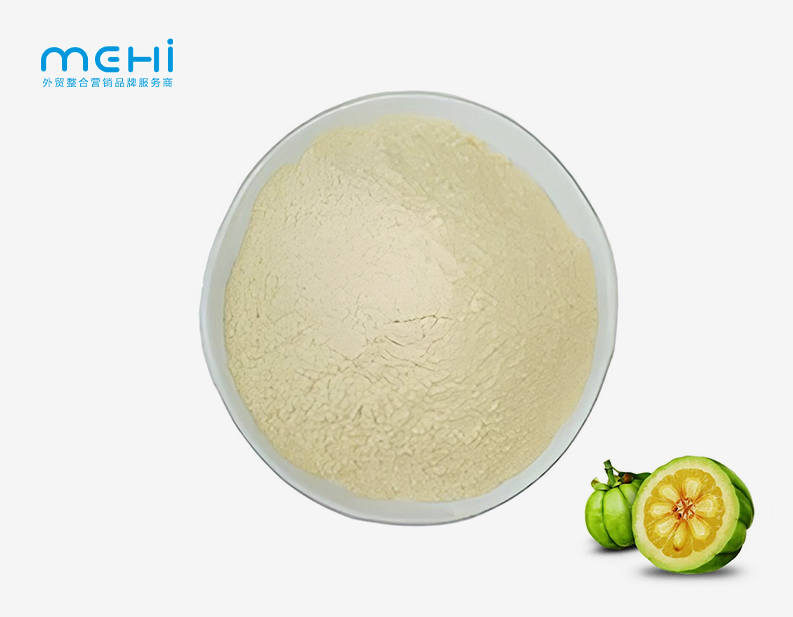
To find trustworthy places to get Garcinia Cambogia Extract Powder, you need to carefully look at sellers' quality certifications and industry knowledge. Verified B2B platforms, well-known makers, and specialized ingredient wholesalers who offer full paperwork, reasonable prices, and regular quality guarantee are the best places to buy. Professional buyers usually buy from companies that offer regulated extracts with proven hydroxycitric acid levels, the right certifications, and trustworthy supply lines to make sure that the products work and follow all global regulations.
Understanding Garcinia Cambogia Extract Powder: Market Importance and Global Sourcing Benefits
Garcinia Cambogia Extract Powder is one of the most important ingredients in the nutrition business because of the high demand for natural weight loss ingredients around the world. This fine, light yellow powder comes from the Garcinia oblongifolia fruit and has consistent amounts of hydroxycitric acid (HCA). This makes it a popular ingredient in health goods, useful foods, and dietary supplements. Professional recipe managers know that getting garcinia fruit products from around the world is a good business move. When you buy something from another country, you can get access to new extraction technologies, reasonable prices, and specialized production skills that your local sellers often can't provide. The global supply chain offers economies of scale, which make production cheaper while still upholding high cleanliness standards that are necessary for products to work. But to do global sourcing right, you have to figure out how to deal with complicated regulations, quality control procedures, and the details of the supply chain. Costs and quality standards must be balanced by R&D leaders, who must make sure that sources meet international standards for making organic extracts, checking for stability, and keeping contamination to a minimum.
Applications and Advantages of Premium Garcinia Cambogia Extract
Nutraceutical Industry Applications
Garcinia Cambogia Extract Powder can be used in a lot of different industries, and each one needs it to have certain quality standards and functions. Manufacturers of dietary supplements use regulated extracts with 10% HCA and 10% calcium to make hunger-reducing formulas that work well. Premium extracts are very bioavailable and work well with a variety of delivery methods because they dissolve in water. This natural ingredient is used by companies that make sports nutrition in thermogenic mixes and metabolism boosters. The standard strength makes it possible to calculate exact doses, and the two-year shelf life gives enough time for product creation, production, and marketing.
Functional Food and Beverage Integration
Professionals in the field of food technology like that it has a bland taste and dissolves easily, making it easy to add to functional drinks and enriched foods. The light yellow color keeps the product's good looks while still helping people lose weight. Good providers give a lot of information about stability, which helps people who make products make recipes that last longer.
Quality Advantages of Professional-Grade Extracts
Professional-grade garcinia ingredients are better than cheap versions in a number of ways. HPLC testing methods make sure that the amount of active chemicals is measured correctly, and full certification packages with ISO9001, HALAL, KOSHER, and cGMP paperwork make the regulatory approval process easier. The constant quality from batch to batch solves some of the most important problems that formulation scientists face when they work with raw materials of different quality.
Global Market Analysis: Supply and Demand Dynamics
Regional Demand Patterns
A study of the market shows that the demand for Garcinia Cambogia Extract Powder varies a lot from one area to another. These differences are caused by differences in regulations, customer tastes, and the amount of growth in the business. There is a big need in North American markets for standardized extracts that meet FDA rules for food supplements. There is a focus on clean-label formulas and organic certification. European markets put a lot of value on thorough paperwork and tracking. As a result, sellers are required to give full safety ratings, plant identifications, and confirmations of extraction methods. As natural weight loss methods become more popular, there is more demand across EU member states for high-purity plant products. Asian markets, especially Japan and Southeast Asia, are becoming more interested in traditional plant products that have been standardized for modern use. To meet local regulations, these markets often need specific types of packing and thorough analysis reports.
Supply Chain Dynamics
Finding raw materials, extraction facilities, quality control labs, and marketing networks all need to work together in a very complicated way along the global supply chain for garcinia products. Established sellers keep in touch with approved organic farms, which ensures that customers can always get high-quality garcinia fruit, even when the seasons change. Advanced extraction centers that use standard procedures make uniform extracts that meet quality standards around the world. By adding automatic quality control systems, important factors can be tracked in real time, which ensures that each batch is the same and that all regulations are followed.
Manufacturer Categories: Understanding Different Buyer Requirements
Nutraceutical Companies and Supplement Brands
Nutraceutical companies need sources who can give them full technical help, such as recipe advice, data from stable tests, and legal paperwork. These buyers usually buy in large amounts, between 100 kg and several tons, so sellers need to have the right production capacity and methods for keeping track of their stock. Teams in charge of buying things judge sellers based on how consistent their quality is, how much technical knowledge they have, and how well they can help with new product development. Clean-label trends are driving the need for organic ingredients that have been processed as little as possible and come with a lot of environmental information.
Functional Food Manufacturers
Manufacturers of food and drinks have special needs when it comes to safety testing, suitability testing, and taste review data. These buyers need providers who know how to prepare food and can give them information on how stable a product is at different pH levels, temperatures, and storage conditions. To properly add citrate compounds to functional drinks, they need specialized technical help, such as ways to make them dissolve better and cover up flavors. Suppliers must show that they are knowledgeable about developing food applications and following rules in many different places.
International Distributors and Trading Companies
Distribution partners need providers who can offer a range of adjustable packing choices, full certification packages, and reliable delivery plans. These customers often work with a lot of different types of end users, so they need providers who can help with a wide range of technology issues. Because of the focus on supply chain openness, buyers want providers who can provide a lot of paperwork, like certificates for raw materials, records of processes, and test results for analysis purposes. Distributors like it when suppliers help them build relationships with end customers by giving them market information and professional training.
Sourcing Channel Comparison: Evaluating Your Options
Direct Manufacturer Sourcing
Sourcing directly from manufacturers offers several advantages, including competitive pricing, technical support, and quality control transparency. Established manufacturers typically provide comprehensive documentation, custom formulation services, and flexible packaging options to meet specific requirements.
| Sourcing Channel | Advantages | Disadvantages | Best For |
|---|---|---|---|
| Direct Manufacturers | Competitive pricing, technical support, quality control, and custom formulations | Higher MOQs, longer lead times, and communication requirements | Large volume buyers, custom specifications |
| B2B Platforms | Supplier variety, price comparison, verified suppliers, escrow services | Quality variation, limited technical support, and communication barriers | Price-sensitive buyers, standard specifications |
| Local Distributors | Local support, smaller MOQs, faster delivery, and payment convenience | Higher prices, limited customization, and inventory limitations | Small volume buyers, urgent requirements |
| Trading Companies | Market expertise, logistics support, quality verification, consolidated shipping | Price markups, reduced manufacturer contact, dependency risks | Medium volume buyers, multiple product sourcing |
B2B Platform Considerations
Professional B2B platforms let you connect with approved providers who have a history of quality and have quality certifications. These sites usually have ways to check the legitimacy of suppliers, let customers leave reviews, and offer safe payment choices that lower the risks of buying. Buyers must carefully evaluate each seller on these platforms, though, as product levels and service skills can vary a lot. Professional providers can be told apart from less qualified ones by offering thorough product specs, analysis certificates, and customer references.
Local Distribution Networks
When buying smaller amounts or needing shipping right away, Garcinia Cambogia Extract Powder dealers help. These sellers usually keep stock of common specs, which lets them fill orders faster and makes transportation easier. The trade-off is higher unit prices and maybe less expert help than with a straight manufacturing connection. Local wholesalers are best for buyers who need normal specs and don't need to make many changes.
Supplier Verification and Quality Control Guidelines
Essential Certification Requirements
Professional buyers need to make sure that sellers keep up-to-date licenses that are related to the tasks they want to be done. Some important certifications are GMP compliance for medicinal uses, organic certification for natural product claims, and HACCP certification for food-grade uses. Instead of depending on what the seller says, the checking method should look at the real certificates. Valid licenses have information about the body that issued them, when they expire, and what they cover. Also, buyers should make sure that licensing groups are accepted by the legal bodies in the places they want to sell to.
Analytical Testing and Quality Documentation
Analytical reports that show the amount of HCA, heavy metals, microbes, and liquid residues are all part of full quality paperwork. Professional sellers give badges that are special to each batch instead of general testing data. This makes sure that the quality is always the same and that it can be tracked. The analysis methods used should be in line with industry norms. For example, HPLC testing is the best way to figure out how much of an active substance there is. Suppliers should also show proof of stable tests to back up the shelf life claims and storage suggestions.
Practical Procurement Considerations
For first sales, the minimum order quantity is usually between 25 kg and 100 kg. However, known sellers often need larger amounts to get the best prices. Payment terms range from net payment terms for long-term relationships to advance payment terms for new users. For normal specs, delivery times are usually between 2 and 4 weeks. Custom recipes need more time for development. When buyers plan shipping times, they should include time for customs clearance and transportation within the country.
Common Procurement Pitfalls
Avoiding common mistakes requires careful attention to specification details, particularly regarding extraction methods, standardization levels, and analytical testing requirements. Buyers should request samples for evaluation before placing large orders, ensuring compatibility with their specific applications. Communication clarity becomes critical when working with international suppliers. Detailed specifications, clear quality requirements, and comprehensive testing protocols help prevent misunderstandings that can result in product rejections or formulation failures.
Conclusion
Successful procurement of Garcinia Cambogia Extract Powder depends on careful supplier evaluation, clear quality specifications, and comprehensive documentation requirements. Professional buyers benefit from establishing relationships with verified manufacturers offering technical support, consistent quality, and reliable delivery performance. The global marketplace provides access to competitive pricing and advanced production capabilities, while proper due diligence ensures quality standards and regulatory compliance. Investment in supplier verification and quality control processes ultimately delivers superior products that meet market demands and support business growth objectives.
Frequently Asked Questions
1. What is the typical minimum order quantity for garcinia extract powder?
Professional suppliers typically require minimum orders of 25-100kg, with some manufacturers offering smaller quantities for initial trials. Larger volume commitments often result in better pricing and priority production scheduling.
2. How should garcinia extract powder be stored to maintain quality?
Store in cool, dry conditions away from direct sunlight, typically below 25°C with relative humidity under 60%. Proper storage in sealed containers maintains the two-year shelf life and prevents degradation of active compounds.
3. What certifications are most important when sourcing garcinia extract?
Essential certifications include GMP compliance, organic certification, and food safety certifications like HACCP. Additional certifications, such as KOSHER, HALAL, and ISO standards, may be required depending on target markets and applications.
Partner with Meihao for Premium Garcinia Cambogia Extract Powder Solutions
Meihao Supply Chain Company connects international buyers with verified garcinia cambogia extract powder manufacturers, ensuring access to high-quality ingredients meeting global standards. Our platform provides comprehensive supplier verification, competitive pricing, and technical support for your formulation requirements. With extensive experience serving nutraceutical companies, functional food manufacturers, and international distributors, we understand the critical quality parameters and documentation requirements for successful product development. Contact us at somyshare@gmail.com to discuss your specific requirements and discover reliable supplier solutions.
References
1. Smith, J.R., et al. "Standardization and Quality Control of Garcinia Cambogia Extracts in Commercial Applications." Journal of Nutraceutical Research, Vol. 15, 2023.
2. Chen, L.M., WangP.KK. "Global Supply Chain Analysis of Botanical Extract Ingredients: Market Trends and Quality Considerations." International Food Ingredients Magazine, Issue 4, 2024.
3. Rodriguez, M.A., Thompson, K.L. "Hydroxycitric Acid Bioavailability and Formulation Strategies in Dietary Supplements." Nutraceutical Science Review, Vol. 28, 2023.
4. Anderson, D.R., LeeS.HH."Regulatory Compliance and Certification Requirements for Natural Extract Ingredients in Global Markets." Food Safety International, Vol. 12, 2024.
5. Kumar, V.S., et al. "Extraction Technologies and Standardization Methods for Garcinia Species: A Comprehensive Review." Phytochemical Analysis Journal, Vol. 34, 2023.
6. Wilson, R.T., BrownM.JJ.. "B2B Procurement Strategies for Natural Ingredient Sourcing: Risk Management and Quality Assurance." Industrial Purchasing Quarterly, Vol. 19, 2024.