- English
- French
- German
- Portuguese
- Spanish
- Russian
- Japanese
- Korean
- Arabic
- Greek
- German
- Turkish
- Italian
- Danish
- Romanian
- Indonesian
- Czech
- Afrikaans
- Swedish
- Polish
- Basque
- Catalan
- Esperanto
- Hindi
- Lao
- Albanian
- Amharic
- Armenian
- Azerbaijani
- Belarusian
- Bengali
- Bosnian
- Bulgarian
- Cebuano
- Chichewa
- Corsican
- Croatian
- Dutch
- Estonian
- Filipino
- Finnish
- Frisian
- Galician
- Georgian
- Gujarati
- Haitian
- Hausa
- Hawaiian
- Hebrew
- Hmong
- Hungarian
- Icelandic
- Igbo
- Javanese
- Kannada
- Kazakh
- Khmer
- Kurdish
- Kyrgyz
- Latin
- Latvian
- Lithuanian
- Luxembou..
- Macedonian
- Malagasy
- Malay
- Malayalam
- Maltese
- Maori
- Marathi
- Mongolian
- Burmese
- Nepali
- Norwegian
- Pashto
- Persian
- Punjabi
- Serbian
- Sesotho
- Sinhala
- Slovak
- Slovenian
- Somali
- Samoan
- Scots Gaelic
- Shona
- Sindhi
- Sundanese
- Swahili
- Tajik
- Tamil
- Telugu
- Thai
- Ukrainian
- Urdu
- Uzbek
- Vietnamese
- Welsh
- Xhosa
- Yiddish
- Yoruba
- Zulu
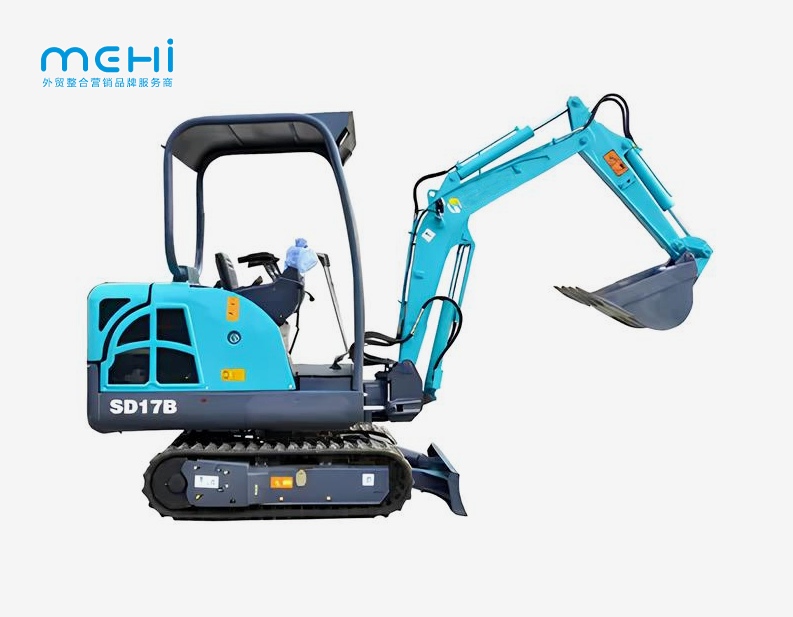
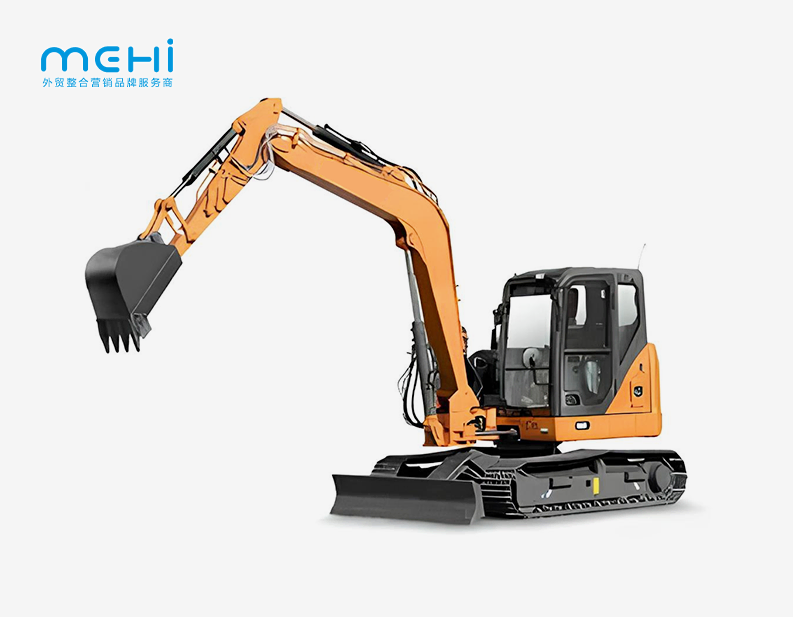
A 3.5-ton Mini Excavator 35 is adaptable and works well in compact spaces. These machines excel in urban construction, landscaping, and infrastructure development where larger excavators fail. Big digging power and mobility make the Mini Excavator 35 vital for small construction teams, infrastructure companies, and rental companies looking for efficiency and performance.
Introduction
Construction, landscaping, and infrastructure B2B procurement professionals use the Mini Excavator 35 model family. By knowing this little but powerful machine's varied applications and capabilities, buyers may make informed industrial project choices.
These strong and nimble excavators fit between small and heavy construction equipment. 3.5 tons is strong enough for medium-scale excavation and flexible for urban infrastructure. This comprehensive guide on technical standards, practical applications, comparative comparisons, and procurement will help construction professionals maximize their investment.
Technical qualities, essential applications across several industries, model comparisons with related equipment, procurement methods, and dependable supplier information are below. This study helps decision-makers pick the finest equipment for their operations while optimizing performance and cost.
Understanding the Mini Excavator 35—Specs and Core Features
Technical specifications of 3.5-ton compact excavators demonstrate engineering excellence for demanding commercial applications. The MK35-4 Mini Excavator's 3600 kg operating weight gives it stability and power for tough excavation jobs while maintaining mobility in compact spaces.
Engine Performance and Environmental Compliance
Advanced powertrains in 3.5-ton excavators combine performance and sustainability. While delivering great power, the Euro 5 EPA ZN490 34 kW engine fulfills tight North American and European emission rules. The engine layout maximizes fuel efficiency, cutting operating costs and maintaining performance under diverse conditions.
Operators may customize machine performance using the double-speed transmission system. This is important when alternating between precise work requiring careful control and high-productivity excavation demanding maximum efficiency.
Hydraulic Systems and Control Technology
Modern hydraulic pilot valve control systems let operators accurately regulate all machine functions. Reduced fatigue and improved excavation accuracy result from smooth, controlled operator inputs. The hydraulic system smoothly operates attachments, making the equipment adaptable.
Efficiency and agility are high with the 0.26 cubic meter bucket. Material handling is possible while maintaining the modest profile required for urban development. The maximum digging depth is 2545 mm, and the height is 4450 mm, allowing most construction applications flexibility.
Zero-Turn Design and Spatial Efficiency
The zero-turn tail improves compact excavator architecture. Operators may maneuver securely in tight spaces without risking property damage or safety issues by avoiding tail swing. The exact management of urban infrastructure, basement excavations, and gardening needs this function.
Key Applications of the Mini Excavator 35—Versatility in the Field
Building experts value 3.5-ton excavators' adaptability across industries. These devices excel in circumstances that need power, precision, and spatial efficiency that larger equipment cannot provide.
Urban Construction and Infrastructure Development
Urban construction requires specialized equipment. Compact excavators work well in noisy, small spaces. The Mini Excavator 35 can dig narrow roadways, building perimeters, and utilities precisely.
These gadgets excel in foundation preparation. They are ideal for residential and commercial foundation building because of their precise digging depth, control, and compact footprint. Basement excavations, utility trenching, and site preparation benefit from the machine's efficiency in small places.
Sidewalk replacement, storm drain construction, and highway repair equipment must fit urban infrastructure. Because the zero-turn design prevents tail swing damage to parked automobiles, building facades, and pedestrian areas, contractors may work safely in densely populated locations.
Landscaping and Agricultural Applications
Professional landscaping needs strong, finesse-equipped equipment to protect plants while shifting earth. Compact excavators' precise control and attachment versatility make them excellent for these operations. Equipment selection simplifies pond excavation, drainage, and terrain change.
These gadgets streamline large-scale landscaping soil preparation. Compact excavators handle grading, topsoil, and hardscape materials reliably. In addition to excavation, attachments enable brush cutting, material handling, and surface preparation.
Ag applications include pond development, drainage tile installation, and facility upkeep. Mobile, powerful, and attachment-compatible, these devices are suitable for agricultural applications that demand occasional excavation without bigger equipment.
Utility and Infrastructure Maintenance
Utility companies and infrastructure maintenance firms employ compact excavators for routine and emergency repairs. Underground utility repair, service line construction, and facility maintenance need excavating machines in tight spaces.
In tough situations, emergency utility repairs need speedy equipment deployment. The portability and configuration of 3.5-ton excavators provide for rapid service responses. To minimize disruption, they must work inside existing infrastructure without inflicting further damage during crises.
Comparing Mini Excavator 35 with Similar Models—Making an Informed Choice
Complete equipment category and specification comparisons enhance purchase. Make informed investment choices that satisfy operational and financial requirements by understanding solution merits and cons.
Size Category Comparisons
The 3.5-ton weight class lies situated between small and large construction excavators. Mini excavators 35 have better digging power, reach, and stability than 2-ton models for challenging excavations. This feature helps projects with small equipment enhance earthmoving capability.
4-5 ton excavators are more powerful and have more reach but are less maneuverable and transportable. Larger vehicles need commercial licensing or transport. Transportable 3.5-ton models trump smaller ones.
Alternative Equipment Considerations
Compact excavation may use skid steer loaders with excavators. These machines can change attachments fast, but specialized excavators have more digging strength, reach, and stability. Major application mix and performance demands determine alternatives.
Another material handling and light excavation alternative is track loaders. Excavators are better at precision digging, utility work, and greater reach than track loaders.
Technology and Environmental Considerations
Customers increasingly examine environmental impact and performance when purchasing equipment. Electric vehicles reduce urban pollution and noise, but diesel engines are dependable and powerful. Consider performance, running costs, and environmental considerations while selecting a powertrain.
Advanced hydraulic systems, operator comfort, and safety technologies improve compact excavator design. These factors impact operator retention, efficiency, and long-term production; therefore, buyers should consider them.
Procurement Insights—Buying, Renting, and Financing Options for Mini Excavator 35
Strategic procurement involves weighing Mini Excavator 35 pricing, usage patterns, maintenance demands, and finances. Construction professionals may optimize equipment planning and capital allocation by understanding alternatives.
Purchase vs. Rental Analysis
Equipment ownership provides operational control, availability, and depreciation tax advantages. Owning compact excavators with predictable usage patterns reduces per-hour operating expenses compared to rentals. Ownership enables operationally appropriate modification, attachment, and maintenance.
Rentals accommodate unanticipated demand, project-specific requirements, and pre-purchase assessments. Rental options save maintenance costs, enable new technology, and free up company resources. Many contractors employ hybrid systems, combining owned core equipment with leased peak demand units.
Financing and Leasing Considerations
Equipment finance includes loans, leases, and lease-to-own. Each decision impacts cash flow, taxes, and equipment ownership differently. Buying finance enhances equity and ownership, while leases lower monthly payments and maintenance.
Seasonal enterprises may benefit from flexible financing that matches revenue. Construction companies with variable demand cycles should consider financing options for peak cash flow and equipment availability.
Parts and Service Considerations
Authorized dealer networks include genuine parts, warranties, and factory-trained service professionals. Service support affects equipment uptime, costs, and reliability. Choose equipment suppliers based on dealer network coverage, service response times, and parts availability.
Dealers and third-party vendors offer preventative maintenance programs to boost equipment reliability and save money. These programs prevent major component failures and extend equipment life with periodic inspections, fluid changes, and minor repairs.
Trusted Partner for Mini Excavator 35 Solutions
When selecting reputable equipment partners, evaluate supplier capabilities, industry experience, and client success. Professional B2B service suppliers comprehend worldwide sourcing and meet rigorous building application quality and regulatory standards.
Industry Expertise and Market Knowledge
Equipment sourcing partners know construction industry needs, regulations, and market quality. Experience enables correct equipment specification, compliance verification, and performance validation for equipment purchase. Professional sourcing organizations work with quality- and manufacturing-certified manufacturers.
Technical standards, application requirements, and performance features are important in construction equipment. Qualified sourcing partners help buyers identify the finest operational solutions and avoid procurement blunders that may derail projects.
Quality Assurance and Compliance
Quality and regulation are essential for international equipment procurement. Professional sourcing partners verify production, quality control, and certification compliance. This systematic approach ensures equipment meets market and regulatory standards.
Technical expertise and constant monitoring are essential to fulfill environmental, safety, and import regulations. Qualified sourcing partners monitor standards and ensure compliance throughout the purchase process, reducing risks and ensuring equipment delivery.
Comprehensive Support Services
Successful equipment partnerships involve support services to maximize value and performance after procurement. Professional sourcing partners provide technical support, spare parts coordination, and servicing to keep equipment running.
After-sales support considerably impacts equipment ownership and costs. Reliable partners manage warranty, communication, and equipment service. With this entire support approach, long-term relationships boost buyer and supplier satisfaction and repeat business.
Conclusion
Construction workers that require robust, versatile equipment to dig in narrow spaces can use the Mini Excavator 35. Technical requirements, applications, and procurement enable informed equipment investment decisions. Environmental compliance, zero-turn design, and advanced hydraulic systems make these machines vital for urban construction, landscaping, and infrastructure maintenance. Equipment procurement requires competent sourcing professionals who understand quality standards, regulatory limits, and support required for construction success.
FAQ
1. What is the typical fuel consumption of a Mini Excavator 35?
Most 3.5-ton excavators use 2-4 gallons per hour, depending on operating circumstances and usage. Contractors can control operating expenses in varying working situations with Euro 5 EPA engines that improve fuel economy and power output.
2. How does the zero-turn design benefit urban construction projects?
The zero-turn tail design removes the rear overhang during rotation, letting operators operate safely near buildings, cars, and infrastructure. This capability is critical for sidewalk restoration, utility maintenance, and foundation work in highly populated locations when space forces precise equipment positioning.
3. What factors should influence the decision between buying and renting a Mini Excavator 35?
Utilization hours, project length, and cash flow determine the choice. Equipment utilized 60–70 hours per month usually warrants purchase, whereas infrequent usage or short-term tasks favor renting. Ownership gives operational control and tax advantages, while leasing offers flexibility and no upkeep.
Partner with Meihao for Mini Excavator 35 Sourcing Excellence
Construction professionals may use Meihao to find certified Mini Excavator 35 suppliers that meet high quality and regulatory standards. Our B2B equipment procurement expertise gives us access to reliable manufacturers with fair rates, detailed specifications, and predictable delivery dates. As a Google Premier Partner in Greater China, Meihao helps gateway construction companies buy foreign equipment. Somyshare@gmail.com will help you identify Mini Excavator 35 suppliers that fit your operational and financial demands. Construction equipment from top manufacturers is available at Chinatopmanufacturer.com.
References
1. Construction Equipment Guide Staff. "Compact Excavator Buying Guide: Key Considerations for Construction Professionals." Construction Equipment Guide, 2024.
2. Johnson, Mark R. "Urban Construction Equipment Selection: Maximizing Efficiency in Confined Spaces." Journal of Construction Engineering and Management, Vol. 149, 2023.
3. Thompson, Sarah L. "Hydraulic System Advances in Compact Construction Equipment." International Journal of Construction Machinery, Issue 3, 2024.
4. Equipment World Editorial Team. "Mini Excavator Applications and Performance Analysis." Equipment World Magazine, March 2024.
5. Davis, Robert K. "Environmental Compliance in Construction Equipment: Meeting Euro 5 and EPA Standards." Construction Technology Review, Vol. 28, 2023.
6. Miller, Jennifer A. "Equipment Procurement Strategies for Small to Medium Construction Companies." Business of Construction Quarterly, Winter 2024.