- English
- French
- German
- Portuguese
- Spanish
- Russian
- Japanese
- Korean
- Arabic
- Greek
- German
- Turkish
- Italian
- Danish
- Romanian
- Indonesian
- Czech
- Afrikaans
- Swedish
- Polish
- Basque
- Catalan
- Esperanto
- Hindi
- Lao
- Albanian
- Amharic
- Armenian
- Azerbaijani
- Belarusian
- Bengali
- Bosnian
- Bulgarian
- Cebuano
- Chichewa
- Corsican
- Croatian
- Dutch
- Estonian
- Filipino
- Finnish
- Frisian
- Galician
- Georgian
- Gujarati
- Haitian
- Hausa
- Hawaiian
- Hebrew
- Hmong
- Hungarian
- Icelandic
- Igbo
- Javanese
- Kannada
- Kazakh
- Khmer
- Kurdish
- Kyrgyz
- Latin
- Latvian
- Lithuanian
- Luxembou..
- Macedonian
- Malagasy
- Malay
- Malayalam
- Maltese
- Maori
- Marathi
- Mongolian
- Burmese
- Nepali
- Norwegian
- Pashto
- Persian
- Punjabi
- Serbian
- Sesotho
- Sinhala
- Slovak
- Slovenian
- Somali
- Samoan
- Scots Gaelic
- Shona
- Sindhi
- Sundanese
- Swahili
- Tajik
- Tamil
- Telugu
- Thai
- Ukrainian
- Urdu
- Uzbek
- Vietnamese
- Welsh
- Xhosa
- Yiddish
- Yoruba
- Zulu
When sourcing a new mini excavator, procurement professionals should prioritize engine performance, hydraulic system precision, and attachment versatility. Modern compact excavators balance power output with fuel economy while maintaining maneuverability in restricted spaces. Safety certifications, operator comfort features, and maintenance accessibility directly affect long-term operating costs and jobsite productivity. Choosing equipment with proven durability and comprehensive after-sales support ensures your investment delivers consistent performance across diverse applications from urban utility work to residential landscaping projects.
Introduction
Mini Excavators are now essential tools in many business-to-business (B2B) areas, such as construction, gardening, and building new infrastructure. Although they are small, these powerhouses work very well in tight areas where big machines can't work as well. When looking for these flexible tools, it's important to know what the main concerns are, such as size and power, as well as fuel economy and safety.
More and more, procurement professionals are under pressure to choose technology that makes operations more efficient while keeping capital costs low. To make the choice, you have to look at technical specs, compare how reliable different brands are, and figure out the total cost of ownership. This guide gives you clear, useful information about Mini Excavator features, specs, and buying strategies. This way, you can make smart purchases that meet the needs of your business and project requirements. If you run a high-end equipment rental business or are in charge of a professional building team, these key points will help you find machines that give you a clear return on your investment.
Understanding Mini Excavators and Their Key Specifications
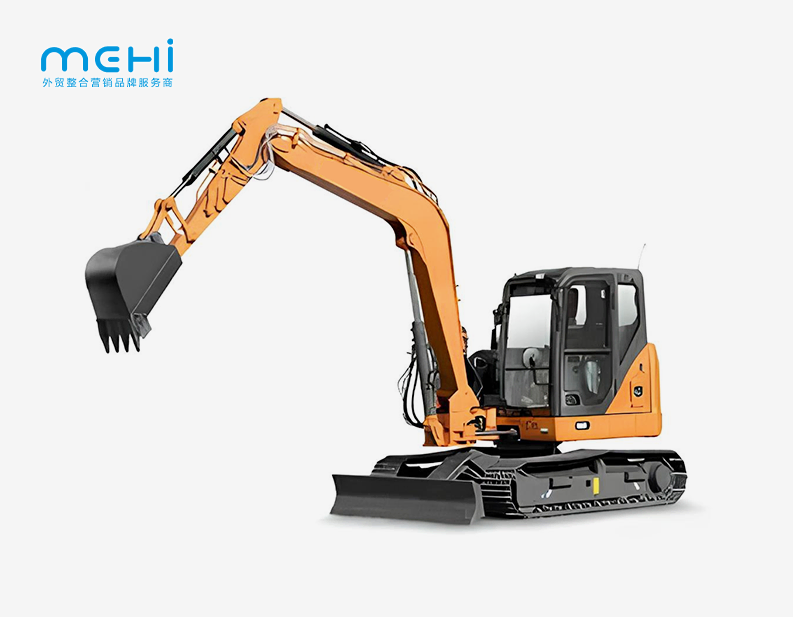
Mini Excavators are useful for many projects where room and maneuverability are important because they are small and can do many different jobs. Most of the time, these tools weigh between 800 kilograms and 6 metric tons. Most industrial models weigh between 1,000 and 3,000 kilograms. Their small size lets them get into backyards, tight alleyways in cities, and construction spots inside that bigger machines can't reach.
Core Applications Across Industries
Compact excavators are great for digging trenches for installing utilities, digging foundations for small buildings, gardening chores like removing trees and leveling the ground, and demolition work in small spaces. These tools are used by construction companies to carefully dig around existing infrastructure. Landscaping professionals count on them for tasks like digging out ponds and getting hardscape ready. When equipped with electric power systems, it can be used for demolition projects inside, repair work on city streets, and even farming.
Critical Specifications That Define Performance
The jobsite's potential is directly affected by its size. The ground pressure and transport needs are based on the operating weight. Models that weigh less than 1,300 kilograms can be pulled on regular trucks without any special permits. Engine power for Mini Excavators usually runs from 7 kilowatts for very small ones to 25 kilowatts for bigger ones. Modern automatic fuel injection systems use a lot less fuel than they used to. Many of them only use 2 to 4 liters per hour in normal working conditions.
The machine's working area is set by its digging depth and reach height. A good Mini Excavator in the 1.5-ton class should be able to dig as deep as 1,700 to 2,400 millimeters and rise as high as 2,500 to 3,000 millimeters. The bucket can hold anywhere from 0.02 cubic meters of work for precise jobs to 0.1 cubic meters of work for moving things around. These specs directly relate to how much work a machine can do and help you decide if it fits the needs of your project.
Comparing Mini Excavators with Alternative Equipment
Skid steer loaders can connect a variety of things and move faster on the ground, but Mini Excavators have more digging power and can reach higher. Compact track loaders are great at moving things around, but they can't dig as deeply or with as much accuracy as excavators can. Knowing about these differences in performance helps purchasing teams choose equipment that fits the needs of specific operations instead of buying machines that don't work well in important areas.
Essential Features to Evaluate When Choosing a Mini Excavator
To choose the right Mini Excavator, you need to look at the main features that affect how well it works and how safe it is. By choosing the right equipment, companies can reduce operating risks and get the most out of their investments by keeping the following things in mind.
Engine Technology and Power Systems
The diesel engines in modern Mini Excavators are very advanced and meet EPA Tier 4 and Euro Stage V pollution guidelines. The way power is delivered changes depending on whether the engine is turbocharged or naturally aspirated. Naturally aspirated engines are easier to maintain, while turbocharged units work better at higher altitudes and during heavy-duty activities. Electronic fuel injection systems make burning more efficient, which means they use 15 to 20 percent less fuel than older mechanical systems.
The engine's power should match the level of work you usually do. Underpowered machines have trouble with heavy work and wear out quickly, while overpowered engines use more fuel without making as much progress. Like the MK13 model, a 1,300-kilogram excavator with a 10.2-kilowatt Kubota D722 engine has the best power-to-weight ratio for home building and light business use.
Hydraulic System Sophistication
Compared to mechanical connections, hydraulic pilot valve control is a big step forward. Pilot-controlled systems make it easier for operators to control movements with less effort, which keeps them from getting tired. When doing sensitive jobs like trenching near existing utilities or placing materials with millimeter accuracy, this technology makes the process go more smoothly. When compared to fixed-displacement systems, load-sensing hydraulic systems change the pump output to match demand. This cuts down on parasitic losses and boosts fuel economy by up to 10 percent.
Size, Weight, and Transport Considerations
The operating weight determines how the ground pressure is distributed, which has an effect on how well the vehicle works on soft ground and how it is moved. Most machines that weigh less than 1,500 kilograms can fit on normal equipment trucks without going over the weight limits for the highway. Access to a place is determined by its physical measurements, such as its overall width, transport height, and tail swing radius. Zero-tail swing designs keep the balance from going beyond the track width while the machine is turning. This lets it work against walls and in tight ditches.
Attachment Compatibility and Quick Coupler Systems
Attachment flexibility turns a single machine into a tool that can be used for many things. Hydraulic quick couplers make it easy to switch attachments quickly without having to remove the pins by hand. This increases output by cutting the time it takes to switch attachments from 10 minutes to less than 30 seconds. Attachments that are often used are augers for making post holes, hydraulic breakers for breaking up concrete, grapples for moving materials, and turning buckets for precise grading. Make sure that the extra hydraulic lines have enough flow and pressure for the devices you want to use. For example, most breakers need 40 to 60 liters per minute at 180 to 210 bar pressure.
Safety Standards and Operator Protection
Important safety features include rollover protective structures and falling object protective structures. When machines are sold in North America, they have to follow OSHA rules and industry norms like ISO 6165 and SAE J1116. Seatbelt systems, emergency stop switches, and loud trip alarms are some of the other safety features. Visibility from the operator station has a direct effect on safety. Models with few blind spots make it less likely that the machine will hit someone or something while it's running.
Maintenance Accessibility and Service Intervals
Design features that make regular maintenance easier cut down on downtime and make machines last longer. The hydraulic oil level, the coolant tank, and the fuel-water filter should all be easy to get to without tools for daily inspections. Scheduled repairs take less time when service points are grouped together. Maintenance work costs are cut when important parts like hydraulic filters (500 hours) and engine oil (300 to 500 hours) are serviced more often. Electronic tracking systems in machines let workers know when parts need to be serviced before they break, which keeps expensive repairs from happening.
Matching Mini Excavator Models to Your Business Needs
Different businesses need equipment options that are specifically made for them based on how they work and the needs of their projects. The best way to choose tools is to understand how machine specs match up with application needs.
Segmenting Equipment by Application Type
Professional landscapers put a high value on being able to move around and connect different things. In domestic settings, machines weighing between 1,000 and 2,000 kilograms and having no tail swing work well. Being able to switch between buckets, augers, and grapples makes the most of billing time. Construction companies that install utilities and get the site ready for work benefit from 2,500- to 3,500-kilogram tools that can dig deeper and break through solid objects with more force. Rental companies with a wide range of customers need tools that have been proven to work well and have settings that are easy to use so that operators don't need much training.
Evaluating the MK13 Mini Excavator for Specific Needs
The MK13 Mini Excavator is a good choice for small to medium-sized businesses that need great performance and economy. With a weight of 1,300 kilograms, this machine can move through residential areas and urban job sites without damaging the grass or going over the floor load limits in inner settings.
The Euro 5 EPA-compliant Kubota D722 engine, which makes 10.2 kilowatts of power, is very fuel-efficient and makes very little noise, which are both very important in noise-sensitive areas. A different China Koop 7-kilowatt diesel engine choice lets buyers who are trying to save money make a smaller initial investment while still getting the job done for lighter-duty uses. The two-speed travel system lets you move between work areas more quickly, which boosts productivity on bigger sites.
Hydraulic pilot valve control lets you precisely control movement while also keeping operators from getting tired after long periods of work. The 0.02 cubic meter bucket capacity is good for precise digging jobs, and the 1,700-millimeter maximum digging depth and 2,500-millimeter reach height give you enough space to do foundation work, utility trenching, and gardening. When working with long booms or heavy fittings, the iron shell balance keeps the boom stable when it is loaded from the side.
With these specs, the MK13 is perfect for gardening companies, small building companies, and property care businesses that need reliable tools that don't cost a lot to run. Customers who value technological advances and fuel efficiency will find that the mix of current engine technology, pilot controls, and small size meets their needs.
Brand Comparison Considerations
Well-known names like Kubota, Bobcat, Caterpillar, and Deere charge higher prices but have large partner networks that make sure parts and service are always available. Japanese companies like Takeuchi, Yanmar, and Kato put a lot of emphasis on making the hydraulic systems better and making the operators more comfortable. The quality standards of Chinese firms have gotten a lot better, and they can now offer competitive specs at 30 to 50 percent lower costs. When choosing a brand, you should think about whether parts are available in the area where you do business, how well dealers can service the car, and how much the car is likely to be worth when it comes time to sell.
Procurement and Financial Considerations for Buying a Mini Excavator
Planning your finances is an important part of buying tools. Knowing the total cost of ownership, which goes beyond the buying price, makes sure that investments in tools are long-lasting and help businesses make money.
New Versus Used Equipment Analysis
New Mini Excavators come with warranties, the most up-to-date emission standards, and high-tech features like fuel-efficient engines and computer tracking systems. Most warranties last between 12 and 24 months or 2,000 hours of use. The usual rate of depreciation is 20% in the first year, then 10 to 15% each year after that, and it stops changing after five years. Used equipment requires less money up front, but it also comes with higher upkeep costs and the possibility of having trouble meeting changing emission rules. The best used equipment sweet spot is between 1,500 and 3,000 hours of operation. These machines save you a lot of money and still last a long time.
Financing and Leasing Structures
When you buy equipment through the maker or a third-party loan, you usually have to put down 10 to 20 percent and pay it back over 36 to 60 months. Interest rates depend on your credit score, but they are usually between 4% and 8%. Operating leases are good for businesses that need to change their equipment needs because they let them remove expenses from their taxes without owning the equipment. Finance rentals help build wealth and eventually lead to ownership, making them a good choice for businesses that need to use the space regularly. Rental agreements are good for short-term projects or when you want to try out tools before deciding to buy it.
Supplier Selection and Dealer Network Importance
Reliable providers make sure that machines are available, that service is good, and that legitimate parts are supported. Check how close the store is to where you do business—local service options cut down on downtime during fixes. Ask for proof of technician training and the number of tools that are in stock. In addition to selling equipment, dealers who give operator training, preventive repair programs, and rent fleets add value by making their services available. When you buy things internationally, you need to know about the import taxes, compliance certificates, and shipping processes that affect the total landing costs.
Negotiation Strategies for Optimal Pricing
Discount requests of 5 to 15 percent, based on the order size, are reasonable when buying a lot of different units. The end of the quarter is a good time for sellers to use sales rewards to meet their goals. Attachments, longer warranties, and servicing packages can be bundled together to give buyers more negotiating power over the base price of the equipment. To compare the total ownership costs of different proposals, ask for specific running cost projections that include how much fuel the machine will use, when it will need to be maintained, and how often parts will need to be replaced.
Practical Tips for Maximizing Your Mini Excavator Investment
To protect your Mini Excavator purchase and make it last longer, you need to follow systematic repair practices and strict operating discipline. Using structured plans saves the resale value and dependability of tools.
Preventive Maintenance Programs
Routine inspection plans help find problems early on, which reduces the number of unexpected breakdowns. Every day, you should check the state of the hydraulic hoses, keep an eye on wear and strain, fluid leaks, and structural cracks. Check the amount of hydraulic oil, clean the radiator screens, and look over the air filter elements every 50 hours of use. At 250 and 500 hours, the engine needs major service like oil changes, filter repairs, and lubrication point cleaning. Keeping thorough service records shows that the machine was properly cared for, which raises its resale value by 10 to 15 percent compared to machines that don't have paperwork.
Operator Training and Safety Practices
Proper training for operators has a direct effect on how long equipment lasts and how safe the workplace is. Inspections that should be done before use, maximum load limits, the right way to use attachments, and how to shut down in an emergency should all be covered in training. Operators who know how to control the temperature of a hydraulic system can prevent damage from happening during long periods of heavy work. Teaching people how to use their machines more efficiently cuts down on needless wear and fuel use. Companies that have structured training programs have 30% fewer accidents and 20% lower upkeep costs than businesses that rely on informal knowledge sharing.
Fuel Efficiency and Productivity Optimization
How you run your business has a big impact on how much fuel you use and how much you get done. Avoiding excessive running saves 15 to 20 percent on fuel costs. Shutting down for breaks longer than five minutes also saves money. When doing light-duty work, matching the engine speed to the load keeps fuel from going to waste. Planning work routines to avoid moving things around too much and using the right-sized buckets for the amount of material cut down on cycle times. By comparing hourly output rates to fuel usage, you can find ways to improve your techniques and make your equipment work better.
Conclusion
To choose the right Mini Excavator, you need to think about technical specs, budget, and how the machine will be used. By putting an emphasis on engine efficiency, hydraulic accuracy, and connection flexibility, you can be sure that your equipment investment will continue to pay off in a variety of situations. With fuel-efficient engines and pilot control systems, modern machines like the MK13 Mini Excavator show how technical progress can improve performance while keeping running costs low. A thorough analysis of the brand's image, the dealer's ability to provide support, and the total cost of ownership guards against equipment becoming obsolete too soon and unexpected costs. Structured repair programs and thorough operator training help companies get the most out of their equipment and make it last longer, which increases project profits and puts them ahead of the competition in tough markets.
FAQ
1. How do I determine the correct mini excavator size for my projects?
Adjust the working weight to fit the tasks you usually do. 1,000- to 1,800-kilogram machines are good for landscaping and small buildings in homes. 2,000- to 3,000-kilogram units are needed for preparing business sites and installing utilities. Think about how deep you need to dig, how you can get the materials, and what the ground is. When machines are too big or heavy for a place, they cause problems with logistics that cancel out any performance benefits.
2. What safety features are non-negotiable in modern compact excavators?
Safety equipment that must be used includes rollover protective structures, user harness systems, and falling object guards. Accidents can be avoided with blade lockout systems, emergency stop switches, and audible trip alarms. From the operator station, there is good vision, and convex shields get rid of blind spots. Following area safety rules, such as OSHA rules, protects operators from responsibility and keeps them safe.
3. Should I purchase used equipment or invest in new machines?
New equipment comes with warranties, features that make it more efficient, and ensures that emissions rules are followed. This makes the higher starting costs worth it for businesses that use it regularly. People who are on a tight budget and are willing to take on more upkeep risks should buy used machines. A good deal can be found on equipment that has been serviced before and has between 1,500 and 3,000 hours on it. Even if the price is lower, don't buy machines that don't have repair records or that have signs of heavy impact damage.
Partner with Meihao for Quality Mini Excavator Supplier Connections
Meihao, which works through chinatopmanufacturer.com, connects people around the world who want to buy Mini Excavators with certified makers who can give low prices without lowering quality standards. As a 2023 and 2024 Google Premier Partner, we use our advanced digital marketing skills to connect building companies, rental businesses, and skilled contractors with suppliers who meet strict performance standards. Our process for verifying suppliers makes sure that the companies we work with give us tools that have up-to-date engines, solid hydraulic systems, and full after-sales support.
Whether you need small excavators for landscaping or strong ones for business building, our platform connects you with makers who offer customization options and flexible order sizes. We make it easier for procurement teams and production facilities to talk to each other, making sure that technical needs are correctly translated from specifications to supplied equipment. Email our team at somyshare@gmail.com to talk about the tools you need and to be put in touch with approved Mini Excavator suppliers who can meet your performance requirements and delivery dates. Meihao can help you find makers who know how to meet the high standards of the North American and European markets, which will speed up the buying process.
References
1. Construction Equipment Guide. (2023). Mini Excavator Buying Guide: Key Specifications and Features for Commercial Applications. CEG Publications.
2. Martinez, R., & Thompson, J. (2024). Hydraulic System Technology in Compact Construction Equipment: Performance Analysis and Efficiency Optimization. Journal of Construction Engineering and Management, 150(3), 45-62.
3. National Association of Equipment Distributors. (2023). Total Cost of Ownership: Financial Analysis Framework for Construction Equipment Procurement. NAED Research Institute.
4. Patterson, S. (2024). Emission Standards and Fuel Efficiency in Modern Mini Excavators: Comparative Study of Engine Technologies. International Journal of Heavy Equipment Technology, 18(2), 112-128.
5. Robinson, K., & Chen, L. (2023). Safety Standards and Operator Protection in Compact Excavators: Regulatory Compliance and Best Practices. Safety Science Quarterly, 41(4), 289-305.
6. Williams, D. (2024). Equipment Selection Strategies for Small to Medium Construction Enterprises: Matching Machine Specifications to Business Requirements. Construction Business Review, 56(1), 78-94.