What are Nickel 200 forgings' properties? Nickel 200 forgings, commercially pure nickel products forged by regulation, are corrosion-resistant and mechanically strong. Forgings with 99.0% minimum nickel concentration are ideal for chemically stable industrial applications. Forging stronger grain structure and mechanical strength makes aerospace, chemical processing, and electronics components durable in harsh circumstances. These traits help producers pick the optimum material for critical applications that need long-term durability and performance.
What are Nickel 200 Forgings?
Nickel 200 forgings are commercially pure nickel hot- or cold-forged metal components. This material fulfills industry-wide quality and performance standards ASTM B160 and ASME SB-160. Nickel billets or bars are forged under regulated pressure and temperature to obtain specified geometries and structural integrity.
The production process starts with 99.0-99.5% nickel raw material with few impurities. Plastic deformation under regulated circumstances refines grain structure and eliminates internal spaces and flaws during forging. This mechanical working procedure improves tensile strength, ductility, and fatigue resistance over casting.
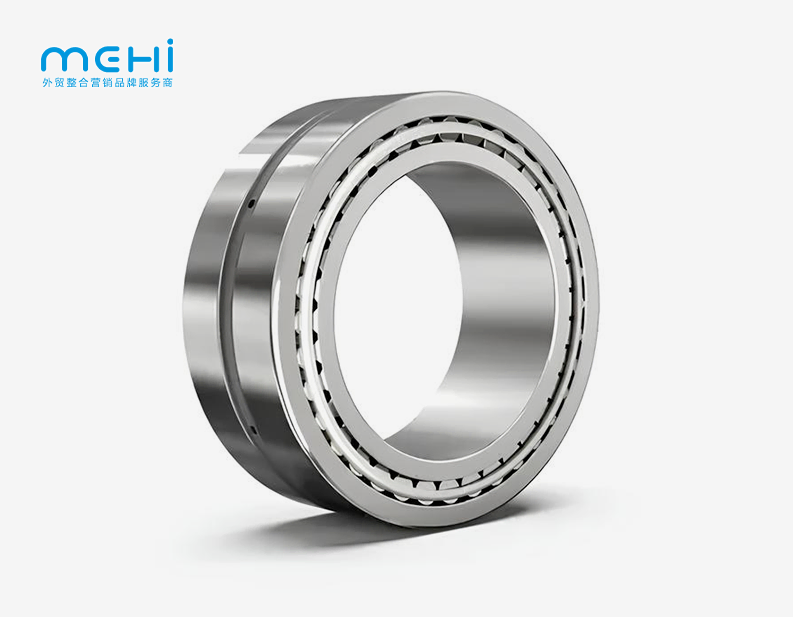
Perfect for precise applications, nickel 200 forgings preserve dimensional stability over temperature changes. The material has excellent heat conductivity and electrical characteristics for electronic component manufacture. Forging lets producers make discs, rings, bars, and custom-engineered components with precise dimensions.
Especially alkaline solutions, neutral salts, and organic chemicals, these forgings resist corrosion. High nickel concentration resists oxidation at high temperatures, prolonging service life in harsh situations. EN 10204/3.1 material traceability and certification provide aerospace and medical device compliance.
The Industrial Challenge Nickel 200 Forgings Address
In modern industries, materials must survive severe chemical conditions and preserve structural integrity for long durations. When subjected to corrosive chemicals, high temperatures, or electrochemical processes, steel and aluminum components break, causing expensive equipment failures and production delays.
Chemical processing plants need materials that withstand acids, bases, and organic solvents without contaminating products. Traditional materials may inject metallic ions or fracture under stress, affecting product purity and process dependability. Chemical inertness and stability make nickel 200 forgings ideal for this.
Electronics makers require accurate electrical conductivity and magnetic characteristics for demanding applications. Standard alloys often include magnetic or electrical interference constituents. High-purity Nickel 200 forgings have predictable electrical performance and low magnetic susceptibility.
Strength and corrosion resistance under high-temperature cycles and environmental conditions are needed for aerospace applications. Components must resist heat shock, oxidation, and stress without compromising safety or performance. For essential aeronautical systems, nickel 200 forgings are reliable.
Forging creates components with improved mechanical qualities and dimensional precision, solving production problems. Forging optimizes strength and fatigue life by aligning grain flow with component shape, unlike solid stock machining. This manufacturing advantage improves component performance in demanding applications and lowers material waste.
Core Features and Technical Specifications
Nickel 200 forgings have unique mechanical and chemical qualities that set them apart from other technical materials. The material's tensile strength is 55,000–85,000 psi, depending on heat treatment and processing. Yield strengths of 15,000 to 45,000 psi provide structural support for most applications while preserving ductility.
Nickel 200 bars and forgings have extraordinary ductility, typically reaching 40% in standardized tensile testing. This high ductility enables cold formation and resists impact loading brittleness. The material has a modulus of elasticity of 30 million psi, similar to steel but more corrosion-resistant.
Performance is maintained by chemical composition that tightly controls impurities. Carbon, sulfur, and phosphorus remain below 0.15% and 0.01%, respectively. Iron and copper levels seldom reach 0.40% and 0.25%, respectively. Tight compositional controls maintain material consistency across manufacturing batches.
Continuous service temperatures in oxidizing situations may exceed 600°F (315°C), making temperature resistance crucial. Without oxidation or property deterioration, short-term exposure may reach 1000°F (540°C). Its mechanical qualities remain stable below ambient temperature, making it appropriate for cryogenic applications.
Room temperature thermal conductivity is 52 BTU/hr-ft-°F, enabling effective heat transmission in thermal management applications. Electronic conductivity is governed by electrical resistivity of approximately 95 microhm-cm. Metal-to-ceramic couplings in electronic systems are dependable because numerous ceramic materials have the same thermal expansion coefficient.
Nickel 200 is somewhat magnetic below its Curie temperature of 680°F (360°C). Above this temperature, the material becomes non-magnetic, which is useful in certain electrical applications. Low permeability reduces magnetic interference in sensitive electronics.
Manufacturing Process and Quality Control
Nickel 200 forgings are made by selecting and preparing high-purity nickel cathodes or refined nickel powder. Initial melting in vacuum induction furnaces prevents contamination and ensures chemical composition precision. Molten metal is degassed and refined to eliminate dissolved gases and trace impurities that might impair characteristics.
Forging may be hot or cold, depending on component shape and properties. Hot forging allows form modifications and enhanced material flow at 1800°F–2100°F (980°C–1150°C). A controlled environment avoids hot oxidation and preserves surface quality.
Cold forging improves dimensional accuracy and surface polish by working the material at room temperature. This method involves greater forming forces but yields better mechanical qualities and less machining. Multi-step cold forming may need intermediate annealing to maintain ductility.
To optimize final characteristics and relieve forging tensions, heat treatment is essential. In protective atmospheres or vacuums, annealing occurs between 1400°F and 1600°F (760°C to 870°C). To attain the required particle size and mechanical qualities, cooling rates must be precisely controlled.
Advanced spectroscopic chemical analysis verifies composition within specification limits for quality control. ASTM standards govern mechanical testing of tensile, hardness, and impact resistance. Ultrasonic and dye penetrant inspections find internal and surface problems that might affect performance.
Dimensional inspection verifies drawing compliance using coordinate measuring devices and accuracy gauges. Roughness measures guarantee application-specific finish. For aeronautical and medical applications, material certifications must record all test findings and give complete traceability per EN 10204/3.1.
Key Advantages and Performance Benefits
Nickel 200 forgings have superior corrosion resistance in numerous chemical conditions compared to stainless steels and other technical alloys. In hydroxide, organic acid, and neutral salt solutions, the material performs well. Chemical processing components last longer and need less maintenance due to corrosion resistance.
Nickel 200 is used to reduce material contamination in the food and pharmaceutical industries due to its purity. Nickel 200 does not add metallic ions that might impair product quality or stimulate undesired chemical reactions like copper-bearing alloys. Its inertness makes it excellent for delicate product processing equipment.
Another benefit is thermal stability, with negligible property changes across vast temperature ranges. The material is strong and ductile from cryogenic temperatures to increased service conditions, giving thermal cycle applications design freedom. While keeping metallic toughness, thermal shock resistance outperforms many ceramic materials.
Excellent welding using conventional methods and filler metals is a fabrication benefit. The material may be bonded to itself or other metals without losing corrosion resistance or mechanical qualities. With proper tools and cutting conditions, machining is easy and yields exact dimensions and finishes.
Electronics use electrical and magnetic qualities to govern performance. Its predictable resistivity and low magnetic permeability allow precision circuit design and reduce electromagnetic interference. These qualities maintain dependability in sensitive electronic systems throughout time and temperature.
Cost-effectiveness comes from extended service life, little maintenance, and consistent operation. Although nickel 200 forgings cost more than traditional materials, their lower replacement frequency and downtime lower their total cost of ownership. This economic benefit is greater in critical applications with significant failure costs.
Comparison with Alternative Materials
Several major distinctions distinguish nickel 200 forgings from stainless steel counterparts, influencing material selection. Type 316 stainless steel is cheaper and corrosion-resistant, although nickel 200 is better in reducing conditions and high-purity applications. The chromium concentration in stainless steel may contaminate food processing and medicinal sectors, while nickel 200 is more inert.
Another nickel-copper alloy, Monel 400, has similar corrosion resistance and strength but contains copper, which may be undesirable in certain applications. Copper adds strength but may produce galvanic corrosion with steel. Nickel 200's purity removes compatibility issues and improves corrosion resistance.
Chromium additions make Inconel 600 stronger and more resistant to high-temperature oxidation. However, greater alloy content boosts material costs and may bring magnetic characteristics undesired in electronics. Nickel 200 has predictable non-magnetic behavior above the Curie point and satisfactory temperature resistance for various applications at a cheaper cost.
Titanium alloys have high strength-to-weight ratios and corrosion resistance but need specific welding and processing. Titanium is reactive, making manufacturing more difficult than nickel 200. Titanium's greater modulus and varied thermal expansion characteristics may complicate mixed-material assembly design.
Hastelloy C-276 is more expensive but corrosion-resistant in harsher chemical conditions. The complex alloy composition improves performance but may not be needed for nickel 200 applications. Nickel 200's simpler composition makes manufacturing quality control and behavior prediction easier.
Conclusion
Nickel 200 forgings are a premium material that resists corrosion, is chemically pure, and is mechanically reliable in many industrial applications. High nickel concentration, precise production techniques, and outstanding material qualities generate components that can survive harsh conditions and last. Understanding these qualities helps choose materials that maximize technical performance and economic value. Nickel 200 forgings will remain crucial for sensitive applications demanding uncompromising quality and dependability as industries move toward more difficult operating environments and greater purity standards.
Frequently Asked Questions
Q1: What industries commonly use nickel 200 forgings?
A: Chemical, aerospace, electronics, food, and pharmaceutical sectors employ nickel 200 forgings. Reactor vessels, pipelines, and pumps in chemical plants handle corrosive media. Engine and structural components in aerospace need corrosion resistance. Electronics makers utilize them for precision components with regulated electrical characteristics and low magnetic interference.
Q2: How does the forging process improve nickel 200 properties compared to other manufacturing methods?
A: Forging improves mechanical qualities over casting by refining grain structure, eliminating porosity, and aligning material flow with component shape. Forged parts are stronger, fatigue-resistant, and impact-tougher. Controlled deformation reduces machining by improving dimensional accuracy and surface polish over casting.
Q3: What heat treatment options are available for nickel 200 forgings?
A: Nickel 200 forgings are stress-relieved at 1400-1600°F (760-870°C) to maximize characteristics and alleviate residual stresses. Annealing is the main heat treatment since the material cannot be precipitation hardened like age-hardenable alloys. Solution annealing dissolves carbides and maximizes ductility, whereas lower-temperature treatments relieve stress without softening.
Use Meihao's Verified B2B Network to Find Nickel 200 Forgings
Meihao is a seasoned B2B supply chain and digital marketing firm that matches recognized Chinese Nickel 200 forging manufacturers with worldwide buyers. We do not make or provide forgings. Meihao helps buyers find certified manufacturers that meet ASTM, JIS, DIN, EN, and EN 10204/3.1 material certification criteria. In electronics, chemical processing, and aerospace, our platform enhances technical communication, inquiry coordination, and supplier verification. For partnership or sourcing inquiries, contact somyshare@gmail.com.
References
1. Davis, J.R. (2000). "Nickel, Cobalt, and Their Alloys." ASM International Handbook Committee, Materials Park, Ohio.
2. Rebak, R.B. (2005). "Corrosion of Nickel-Base Alloys." Corrosion Engineering Handbook, Marcel Dekker Inc., New York.
3. Donachie, M.J. and Donachie, S.J. (2002). "Superalloys: A Technical Guide, 2nd Edition." ASM International, Materials Park, Ohio.
4. American Society for Testing and Materials (2019). "ASTM B160-19: Standard Specification for Nickel Rod and Bar." ASTM International, West Conshohocken, Pennsylvania.
5. Tien, J.K. and Davidson, J.M. (1982). "Superalloys: Metallurgy and Manufacture." Metallurgical Society of AIME, Warrendale, Pennsylvania.
6. Special Metals Corporation (2018). "Technical Bulletin: Nickel 200/201 Properties and Applications." Special Metals Technical Publications, Huntington, West Virginia.