- English
- French
- German
- Portuguese
- Spanish
- Russian
- Japanese
- Korean
- Arabic
- Greek
- German
- Turkish
- Italian
- Danish
- Romanian
- Indonesian
- Czech
- Afrikaans
- Swedish
- Polish
- Basque
- Catalan
- Esperanto
- Hindi
- Lao
- Albanian
- Amharic
- Armenian
- Azerbaijani
- Belarusian
- Bengali
- Bosnian
- Bulgarian
- Cebuano
- Chichewa
- Corsican
- Croatian
- Dutch
- Estonian
- Filipino
- Finnish
- Frisian
- Galician
- Georgian
- Gujarati
- Haitian
- Hausa
- Hawaiian
- Hebrew
- Hmong
- Hungarian
- Icelandic
- Igbo
- Javanese
- Kannada
- Kazakh
- Khmer
- Kurdish
- Kyrgyz
- Latin
- Latvian
- Lithuanian
- Luxembou..
- Macedonian
- Malagasy
- Malay
- Malayalam
- Maltese
- Maori
- Marathi
- Mongolian
- Burmese
- Nepali
- Norwegian
- Pashto
- Persian
- Punjabi
- Serbian
- Sesotho
- Sinhala
- Slovak
- Slovenian
- Somali
- Samoan
- Scots Gaelic
- Shona
- Sindhi
- Sundanese
- Swahili
- Tajik
- Tamil
- Telugu
- Thai
- Ukrainian
- Urdu
- Uzbek
- Vietnamese
- Welsh
- Xhosa
- Yiddish
- Yoruba
- Zulu
For little building jobs, make sure you have the essential tools. Your business could succeed or fail because of them. A 2.5-ton excavator and a two-ton digger are the right size and weight for many jobs. It's also simple to use them since they're not heavier. We now work in smaller spaces differently because of these little powerhouses that make things easier and let us change the way we do things. Know what you need to think about, what they can do, and how to use them before you buy them. This information will help you make smart decisions that will improve projects and make you more money.
Understanding the 2.5 Ton Excavator: Specifications and Key Features
Technical Specifications That Matter
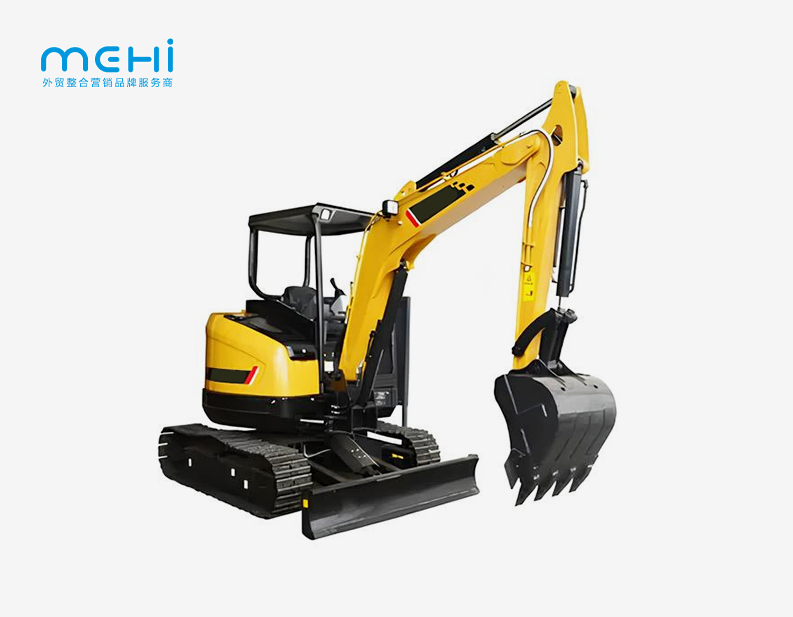
The current 2.5-ton small digger is a great example of how advanced tech can be used in real life. The working weight of these machines is usually 2500 kg, which makes them very stable without making them hard to move. This balance is shown by the MK25U-9 mini excavator, which has modern engine choices like the Euro 5 EPA Changchai 390, which makes 20 kW of power, or the dependable Kubota D1105, which makes 14.2 kW.
Hydraulic pilot valve control systems make sure that everything works perfectly, which lets people do very precise work that needs to be done very carefully. Being able to go at two speeds improves output by accommodating different work needs. The zero-turn radius design also makes it easier to move around in small spaces. Even though they are small, these tractors can dig up to 2600 mm deep and 2637 mm high, which means they can handle big jobs.
Core Features That Drive Performance
It takes just 0.06 CBM of material to move things quickly and correctly, but not so much that it's too much for smaller jobs. Modern hydraulic systems make sure that all functions get the same amount of power and that it works easily. This keeps workers from getting tired and keeps them working hard even when the hours are long.
Modern mini excavators have control panels that are easy for new workers to understand and use. This makes the move from using other types of equipment faster and easier. These easy-to-use systems improve safety rules while also making operations more efficient. They are especially useful for rental companies that work with a wide range of contractors.
Attachment Versatility and Customization
These tools are flexible because they can work with a wide range of attachments. With breakers, augers, grapples, and special buckets, one digger can do a lot of different jobs. Because it can do so many things, it doesn't need to have a lot of different tools. This saves money on equipment and makes operations easier for small to medium-sized companies.
Practical Applications and Benefits in Small Construction Projects
Diverse Sector Applications
The mini crushers are very useful in a lot of different businesses. Landscape companies use their accuracy to do things like precise cutting, tree planting, and making drainage systems. The ability to get around in cities while fixing infrastructure and installing utilities is something that municipal maintenance teams really value.
These tools are used by construction companies to dig trenches, dig foundations, and get the place ready. Because they are small, they can get to private properties without hurting the greenery or buildings that are already there. This makes them perfect for renovations and additions.
Operational Advantages in Confined Spaces
These days, small tractors can turn in any direction. This means they don't need as much room as bigger machines do. When building in cities, where space is tight and every square meter needs to be used as well as possible, this function comes in very handy.
You can't say enough good things about transportation. Usually, these tools, like a 2.5-ton excavator, can be moved on regular trucks without needing any special permits or extra care for loads that are too big for the trailer. This advantage of movement cuts down on the time it takes to start a job and lets workers serve a bigger area without having to make big investments in logistics.
Cost-Effectiveness and Maintenance Considerations
One very useful thing about modern engines is that they can do a lot of work with very little fuel. It's easy to keep up with normal repair needs when service times are set. This helps keep running funds stable.
When properly kept, the longevity of good small tractors means they will last longer. Because they last a long time and have high resale prices, they are good investments for growing businesses that want solid technology that keeps its value over time.
Choosing the Right 2.5 Ton Excavator for Your Business Needs
Brand Evaluation and Comparison
You should carefully think about the brand name, the quality of the service network, and the machine's features when looking for the best small digger. Dependability, performance, and customer service are all areas where Caterpillar, Kubota, and other well-known names do better than others.
How often and how much it costs to own a machine depend a lot on how easy it is to get service in that area. If a business works with freelancers, it should choose names that have strong networks of area dealers. You can easily get parts and help from skilled technicians. We recommend that companies in narrow markets or rural areas give this some serious thought.
New Versus Used Equipment Decisions
You should buy new or used tools based on how much money you have, how often you plan to use them, and how risk-averse you are. Brand-new machines have guarantees, the most up-to-date technology, and regular maintenance schedules. This makes them ideal for companies with steady jobs and plans to grow.
Businesses that are starting out or have seasonal needs can get a lot of value from used tools. But careful checks and studies of upkeep records are needed to avoid expensive shocks. Reliable shops often have approved pre-owned choices that save you money and give you peace of mind about the car's trustworthiness.
Rental Versus Purchase Analysis
Rental agreements are good for workers who only need tools sometimes or who want to try out different types before buying one. This method gets rid of the need for upkeep and lets you use better technology without having to spend money on it.
Businesses that have regular usage trends and established repair skills, such as those using a 2.5-ton excavator, can make good choices about what to buy. Being an owner gives you more control over your business and gets rid of the daily rental costs that can add up to a lot over time.
Procurement Guide: Where and How to Buy a 2.5 Ton Excavator
Sourcing Strategies and Dealer Selection
The first thing you need to do to buy something is to find sellers you can trust who sell real goods and offer full support services. Wholesalers in your area can often save you money on shipping, cut down on delivery times, and build relationships with you that will last as long as your equipment does.
You can find more things online, but you need to do more work to make sure the buyers are honest and the items are real. Before buying big pieces of equipment, people should look at the dealer's qualifications, call some of their past customers, and read the terms of their guarantee.
Pricing Analysis and Market Trends
Knowing how the market is doing at the moment lets buyers take advantage of good price chances. Changes in seasonal demand often make windows of time when sellers can offer good deals or discounts to keep product moving.
The total cost of ownership is affected by money issues in a big way. Competitive financing options, such as lease agreements and longer payment plans, can help companies that are tight on cash get the quality tools they need while still keeping their working capital.
Warranty and Support Considerations
A full guarantee protects you against production flaws and early component breakdowns, which is very important. Buyers should carefully read the guarantee terms, which include how long the coverage lasts, what parts are included, and how to get help.
Parts availability and the system for technical help have a direct effect on how well technology works and how long it stays up and running. Dealers with strong support networks make sure that there is little downtime during repair windows and offer advice on how to improve operations.
Company Insights and Our Expertise in Delivering 2.5-Ton Excavators
Our Commitment to Quality Equipment Solutions
As a trusted B2B service provider, Meihao connects contractors with premium mini excavator manufacturers who meet rigorous quality standards. Our extensive network includes suppliers offering diverse models engineered to satisfy specific project requirements and operational demands.
The MK25U-9 mini excavator represents the quality standards we promote through our platform. This model incorporates advanced features like hydraulic pilot valve control, dual engine options, and zero-turn capability, delivering the performance contractors need for successful project completion.
Comprehensive Service Support
Beyond equipment sourcing, our platform facilitates access to financing solutions, technical documentation, and ongoing support services. This comprehensive approach ensures contractors receive complete solutions rather than simply equipment transactions.
Our supplier verification process for the 2.5-ton excavator guarantees that all recommended manufacturers meet international quality standards and maintain robust support infrastructures. This diligence protects buyers from substandard products and unreliable suppliers that could compromise project success.
Building Long-Term Partnerships
We focus on developing lasting relationships between contractors and suppliers through transparent communication and reliable service delivery. Our platform serves businesses across North America, Europe, and other demanding markets where equipment reliability is paramount.
Continuous supplier evaluation ensures our network maintains excellence standards while expanding capabilities to serve emerging market needs. This dynamic approach keeps our clients at the forefront of equipment technology and market opportunities.
Conclusion
Selecting the right 2.5-ton excavator for small construction projects requires careful consideration of technical specifications, operational requirements, and long-term business objectives. These versatile machines offer exceptional value through their combination of power, maneuverability, and cost-effectiveness. Success depends on choosing reputable suppliers, understanding maintenance requirements, and aligning equipment capabilities with specific project needs. The investment in quality mini-excavators pays dividends through enhanced productivity, reduced operational costs, and improved project outcomes across diverse applications.
FAQ
1. What is the typical fuel consumption of a 2.5 ton excavator?
Modern 2.5-ton excavators typically consume between 2 and 4 gallons per hour depending on operational intensity and engine specifications. Models with Euro 5 EPA engines like the Changchai 390 optimize fuel efficiency through advanced combustion technology while maintaining power output.
2. How does a 2.5-ton excavator compare to a 3-ton model?
The primary differences lie in digging depth, lifting capacity, and overall stability. While 3-ton excavators offer greater power, 2.5-ton models provide superior maneuverability and lower transportation costs, making them ideal for confined spaces and smaller projects.
3. Should I rent or purchase a mini excavator for my business?
Purchase decisions make sense for businesses with consistent usage exceeding 100 hours annually, while rental suits occasional users or those testing different models. Consider the total cost of ownership, including maintenance, storage, and insurance, when evaluating options.
4. What attachments are compatible with 2.5-ton excavators?
Standard attachments include various bucket sizes, hydraulic breakers, augers, grapples, and compaction plates. The hydraulic flow capacity of your specific model determines attachment compatibility, with most 2.5-ton excavators supporting multiple configurations.
Partner With Meihao for Your 2.5 Ton Excavator Procurement
Meihao Supply Chain Company serves as your trusted gateway to premium Chinese manufacturers specializing in construction equipment. Our Google Premier Partner status reflects our commitment to connecting contractors with verified 2.5 ton excavator suppliers who meet international quality standards. We facilitate access to models like the MK25U-9 Mini Excavator through our comprehensive supplier network, ensuring you receive competitive pricing and reliable support. Contact us at somyshare@gmail.com to discover how our platform streamlines your equipment procurement process while delivering exceptional value and service excellence.
References
1. Construction Equipment Market Analysis: Small Excavator Segment Growth and Applications, Industry Research Institute, 2024
2. Hydraulic Excavator Performance Standards and Specifications Manual, Construction Machinery Association, 2023
3. Compact Construction Equipment: Operational Efficiency and Cost Analysis, Engineering Research Foundation, 2024
4. Mini Excavator Applications in Urban Construction Projects, Municipal Engineering Society, 2023
5. Small Construction Equipment Procurement Best Practices Guide, Contractors Equipment Council, 2024
6. Maintenance and Lifecycle Management for Mini Excavators, Heavy Equipment Service Association, 2023