- English
- French
- German
- Portuguese
- Spanish
- Russian
- Japanese
- Korean
- Arabic
- Greek
- German
- Turkish
- Italian
- Danish
- Romanian
- Indonesian
- Czech
- Afrikaans
- Swedish
- Polish
- Basque
- Catalan
- Esperanto
- Hindi
- Lao
- Albanian
- Amharic
- Armenian
- Azerbaijani
- Belarusian
- Bengali
- Bosnian
- Bulgarian
- Cebuano
- Chichewa
- Corsican
- Croatian
- Dutch
- Estonian
- Filipino
- Finnish
- Frisian
- Galician
- Georgian
- Gujarati
- Haitian
- Hausa
- Hawaiian
- Hebrew
- Hmong
- Hungarian
- Icelandic
- Igbo
- Javanese
- Kannada
- Kazakh
- Khmer
- Kurdish
- Kyrgyz
- Latin
- Latvian
- Lithuanian
- Luxembou..
- Macedonian
- Malagasy
- Malay
- Malayalam
- Maltese
- Maori
- Marathi
- Mongolian
- Burmese
- Nepali
- Norwegian
- Pashto
- Persian
- Punjabi
- Serbian
- Sesotho
- Sinhala
- Slovak
- Slovenian
- Somali
- Samoan
- Scots Gaelic
- Shona
- Sindhi
- Sundanese
- Swahili
- Tajik
- Tamil
- Telugu
- Thai
- Ukrainian
- Urdu
- Uzbek
- Vietnamese
- Welsh
- Xhosa
- Yiddish
- Yoruba
- Zulu
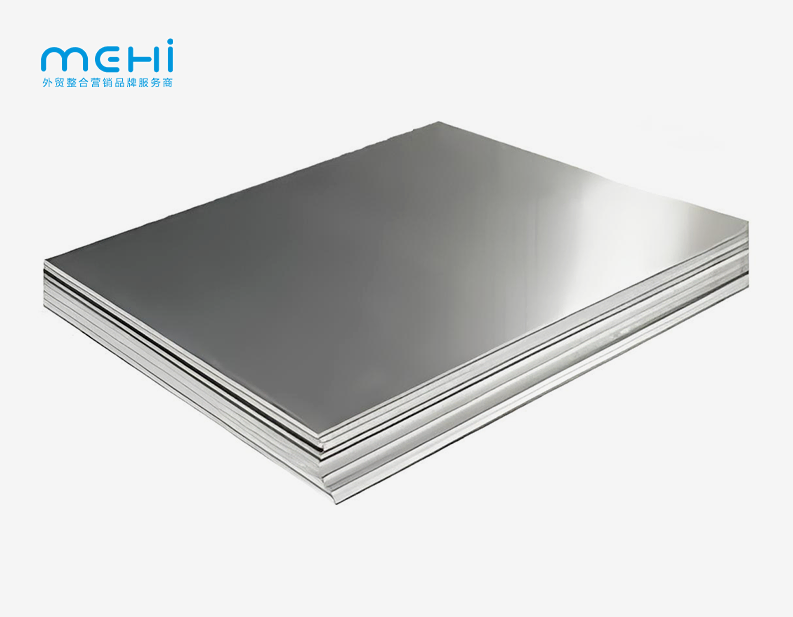
Nickel 200 Sheet is a commercially pure nickel metal that is guaranteed to have a minimum of 99.0% nickel content and carefully controlled trace elements. This substance meets the requirements of ASTM B127 and UNS N02200, and it has excellent corrosion protection in both acidic and basic conditions. Its thermal conductivity, mechanical strength, and ability to be fabricated are all directly affected by its chemical makeup. Because of this, it is essential for making aircraft parts, chemical processing equipment, and batteries, where the purity of the material cannot be compromised.
What Is a Nickel 200 Sheet? Chemical Composition and Key Characteristics?
Since the middle of the 20th century, commercially pure nickel alloys have been used in many important industrial processes. Nickel 200 sheets have become the standard material for tasks that need to be highly resistant to rust and stable at high temperatures. The number "200" refers to the exact chemical limits of the metal set by international standards like ASTM, JIS, AISI, GB, DIN, and EN. Understanding the exact elements that make up a material helps buying managers decide if it meets their business needs.
Core Chemical Composition Elements
The main chemical in Nickel 200 is nickel, but there are also some carefully controlled minor elements that affect how well it works. ASTM B127 says that the alloy must have at least 99.0% nickel and the highest amounts of additional elements that are allowed. Carbon content stays at a maximum of 0.15%, which stops carbide precipitation that could weaken rust protection at some temperatures. Manganese levels stay below 0.35%, and silicon levels don't go above 0.35%. Both of these factors help improve the qualities of the material during the cold and hot rolling processes.
The highest amount of iron pollution is 0.40%, because higher levels can make the material less resistant to corrosion in some acidic situations. Copper content stays below 0.25%, and sulfur content is limited to no more than 0.01% to avoid hot cracks during welding. Nickel 200 is different from lower-grade nickel alloys because its impurity levels are tightly managed. These controls have a direct effect on the material's density, which is about 8.89 g/cm³; melting point, which is close to 1446°C; and thermal conductivity, which is 70 W/m·K at room temperature.
Physical and Mechanical Properties Influenced by Composition
Several performance factors that are important for aircraft and chemical processes are determined by the chemicals used. In annealed conditions, the tensile strength is usually between 380 and 550 MPa, and the yield strength is between 100 and 250 MPa. This gives the material enough mechanical stability without making it too hard, which makes it harder to work with. The material stretches about 40% in a 50mm gauge length, which makes it very flexible for shaping operations like pressing, deep drawing, and bending.
When building parts that will be subject to changes in temperature, the 13.3 µm/m·K thermal expansion coefficient of Nickel 200 sheet between 20°C and 100°C must be taken into account. With an electrical resistivity of about 0.095 µΩ·m, this metal can be used in places where controlled conductivity is needed. The low carbon level of the Nickel 200 sheet stops intergranular corrosion at temperatures between 315 and 760°C, which happens with nickel metals that have more carbon. This compositional benefit is especially useful for chemical reactors and aircraft structures that have to work at high temperatures.
Comparing Nickel 200 Sheet with Alternative Materials: Chemical Composition Impacts
Choosing the right materials has a direct effect on how much the job costs, how long it lasts, and how much upkeep it needs. Nickel 200 sheets are often compared to other metals by engineers who have to think about things like budget, weather exposure, and mechanical loads. The different types of materials used in each choice make them work differently, which affects purchasing decisions in the chemical, energy, and aircraft industries.
Nickel 200 Versus Nickel 201
Nickel 201 and Nickel 200 are almost exactly the same chemically, but there is one important difference: Nickel 201 has less than 0.02% carbon, while Nickel 200 has up to 0.15% carbon. This lower amount of carbon makes it more resistant to graphitization and intergranular rust when it is exposed to temperatures above 315°C for a long time. Aerospace companies often choose Nickel 201 for parts that will be exposed to high temperatures for a long time. Nickel 200 is still preferred for normal or slightly higher temperatures, where the carbon restriction doesn't improve performance but does raise material costs by about 15 to 25 percent.
Both metals have about the same tensile strength, ability to conduct heat, and ability to prevent corrosion in alkaline environments. The choice between them depends on the price and the highest temperature that the service will be exposed to. Chemical processing equipment that works regularly above 400°C usually needs the Nickel 201 specification. Standard Nickel 200 is fine for battery electrode uses and chemical containment at room temperature, though.
Comparison with Stainless Steel Alternatives
Austenitic stainless steels, such as 304 and 316, are made up of iron as the base element and 8–12% nickel mixed with 18% chromium. Even though these alloys are much cheaper than pure nickel (often 60–70% less per kilogram), they don't hold up as well against rust in reducing acids and strong alkaline solutions. Nickel 200 can resist amounts of hydrochloric acid, sulfuric acid, and sodium hydroxide that quickly eat away at stainless steel grades.
The higher nickel content (99% vs. 10% in stainless steel) is clear in chloride-containing settings, where stress corrosion cracking and pitting can damage the structure of stainless steel. Nickel 200 is more expensive than other metals, but it has a longer service life and lower contamination risks, which make it worth it in aerospace fuel systems, battery-making equipment, and pharmaceutical labs. But when oxidizing acids like nitric acid are used, the chromium percentage of stainless steel is better because it makes protective oxide layers that commercially pure nickel can't.
Alternative Nickel Alloys: Monel and Inconel Series
Around 63% of Monel alloys are nickel, and 28% to 34% are copper. Compared to Nickel 200, these metals are stronger and less likely to rust. Adding copper raises the tensile strength to 480–620 MPa, but it lowers the highest temperature at which it can be used to about 540°C. Chemical makers choose Monel for uses in hydrofluoric acid where Nickel 200 isn't as strong, but the copper element makes it more likely to corrode in seawater.
Along with 40–75% nickel, Inconel superalloys contain chromium, molybdenum, and other strengthening elements. At 650°C, their high-temperature strength is over 1000 MPa, making them very strong. When compared to Nickel 200 sheets, these molecular changes make the material 200–400% more expensive while adding oxidation resistance and creep strength that aren't needed for many chemical processing and battery manufacturing tasks. The choice depends on whether the working conditions require the better mechanical qualities that come with much higher costs.
How Is Nickel 200 Sheet Made? Production Process and Quality Control?
The microstructure, mechanical qualities, and consistency of the material's makeup are all affected directly by the manufacturing process. These factors decide how well the material works in tough situations. Suppliers of Nickel 200 sheets with a good reputation use strict production steps that combine mechanical knowledge with scientific testing to make sure they meet international standards.
Raw Material Sourcing and Melting Operations
To start the production process, high-purity nickel cathodes are needed. These come from electrolytic processing processes that get rid of sulfur, oxygen, and metallic impurities down to parts-per-million levels. These cathodes go through vacuum induction melting (VIM) in controlled environments that keep them from rusting or getting dirty. The VIM process lets you make exact changes to the makeup by adding manganese, silicon, and other specific elements in a calculated way while still meeting the 99.0% minimum nickel content standard set by ASTM B127.
During the melting cycle, the temperature of the molten metal reaches about 1500°C. This makes sure that all of the alloying additions dissolve and the metal is spread out evenly throughout the melt. During melting, the temperature is constantly checked, and spectral analysis is done to make sure that carbon, sulfur, and other minor elements stay within the allowed limits before casting. The molten alloy is either poured into ingots or constantly poured into slabs, based on the size of the finished product and the powers of the equipment used afterward.
Hot Rolling and Cold Rolling Techniques
Cast bars are hot-rolled at temperatures between 1100°C and 1200°C, which cuts their thickness from several hundred millimeters to 3–10 millimeters. This thermomechanical processing improves the structure of the grains, gets rid of any casting porosity, and adds the material's basic mechanical qualities. Multiple hot rolling passes with short warming processes keep the metal from getting too hard while still meeting the desired dimensions.
After being hot-rolled, the width is cut even more during cold rolling, which can be used to make finished products ranging from 0.1 mm foils to 100 mm plates. This deformation at room temperature makes the metal much stronger through strain hardening, but it also makes it less flexible, so it needs to be treated with intermediate heating steps. By recrystallizing the grain that has been work-hardened, annealing processes at 700–900°C in controlled atmospheres make the material flexible again. By changing the annealing temperature and cold rolling reduction percentage, makers can make the mechanical properties fit different uses. For example, for deep drawing, they can use softer annealed conditions, while for structural parts, they can use stronger tempers.
Quality Control and Compositional Verification
Optical emission spectroscopy (OES) or X-ray fluorescence (XRF) analysis is done on every production lot to make sure that the elemental makeup meets the standards of ASTM B127. With this method, the concentrations of nickel, carbon, manganese, silicon, iron, copper, and sulfur can be measured to within 0.001%. This makes sure that material records correctly show the goods that were provided. To make sure that the processing factors produced the desired qualities, sampling examples were put through mechanical tests that measured elongation, tensile strength, and yield strength.
Micrometers and ultrasonic thickness gauges are used to make sure that the dimensions of the Nickel 200 sheet provided meet the customer's requirements. Surface quality checking finds flaws, inclusions, or contamination in rolls that could hurt corrosion protection or manufacturing processes. Manufacturers with a good reputation give approved material test reports (MTRs) that show the chemical makeup, mechanical properties, history of heat treatment, and conformance to dimensions. This gives procurement managers faith in the accuracy and performance of the material.
Conclusion
Nickel 200 sheet's corrosion protection, mechanical qualities, and ability to be fabricated in aircraft, chemical, and energy uses are all based on its chemical makeup. This commercially pure metal works well in harsh settings where other materials don't work because it has at least 99.0% nickel and trace elements that are carefully controlled to meet ASTM B127 standards. Understanding the changes in makeup between Nickel 200, Nickel 201, stainless steel, and specialty metals helps you choose the right material while keeping your budget in mind. Tough production methods that include controlled rolling, vacuum freezing, and thorough testing make sure that the dimensions are correct and the makeup stays the same. To keep projects on schedule and costs down, good buying strategies look at things like thickness availability, customizable options, how prices change over time, and source certifications. By looking at these things, buyers can find high-quality nickel sheets that meet the strict requirements of important industrial uses.
FAQ
1. What distinguishes Nickel 200 sheets from other commercially pure nickel grades?
Nickel 200 Sheet contains no more than 0.15% carbon, which means it can be used in places below 315°C. Nickel 201, on the other hand, has no more than 0.02% carbon, which makes it better at resisting intergranular rust above 315°C. Both have a minimum of 99.0% nickel content and similar mechanical qualities. The choice will depend on the highest temperature at which the product is expected to be used at.
2. How does chemical composition affect corrosion resistance?
Because it is mostly nickel (99%), the material is very resistant to strong alkaline solutions and reducing acids, such as hydrochloric and sulfuric acids. Low amounts of carbon stop carbides from forming, which makes intergranular corrosion paths. But because they don't have chromium, they don't work as well in acidic acids like nitric acid, which is where stainless steels really shine.
3. Can a Nickel 200 sheet be welded without compromising properties?
The low sulfur level (no more than 0.01%) makes it less likely that hot cracks will form during fusion welding. When matched nickel 200 filler metals are used in gas tungsten arc welding (GTAW) and gas metal arc welding (GMAW), the corrosion protection and mechanical features of the weld zones stay the same. Post-weld stress reduction heating at 700–900°C improves the material's flexibility without making it more vulnerable to attack between grains.
Partner with Meihao to Connect with Trusted Nickel 200 Sheet Suppliers
Meihao Supply Chain Company's main job is to connect business-to-business buyers with trusted suppliers of Nickel 200 Sheet that are approved to meet ASTM, JIS, GB, DIN, and EN standards. As a Google Premier Partner that was awarded for success in 2023 and 2024, we make it easy to get materials from quality-focused suppliers that come in plate, sheet, coil, foil, strip, and flat shapes with thicknesses ranging from 0.1mm to 100mm. For aircraft, chemical processing, and battery production needs, our platform can do custom cutting, cold rolling, hot rolling, solution treatment, and annealing. Contact our team at somyshare@gmail.com to get full specs, reasonable quotes from reputable manufacturers, and help with buying to make sure you get it on time with flexible T/T or L/C payment terms.
References
1. American Society for Testing and Materials. (2021). ASTM B127-19: Standard Specification for Nickel-Copper Alloy Plate, Sheet, and Strip. West Conshohocken: ASTM International.
2. Davis, J.R. (2000). Nickel, Cobalt, and Their Alloys. Materials Park: ASM International Handbook Committee.
3. Bunshah, R.F. (1987). Techniques of Metals Research, Volume 1: Methods for Producing and Fabricating Metal. New York: Interscience Publishers.
4. Donachie, M.J. & Donachie, S.J. (2002). Superalloys: A Technical Guide, Second Edition. Materials Park: ASM International.
5. Sedriks, A.J. (1996). Corrosion of Stainless Steels, Second Edition. New York: John Wiley & Sons.
6. International Nickel Company. (1968). Engineering Properties of Nickel and Nickel Alloys. New York: The International Nickel Company Technical Advisory Service.