- English
- French
- German
- Portuguese
- Spanish
- Russian
- Japanese
- Korean
- Arabic
- Greek
- German
- Turkish
- Italian
- Danish
- Romanian
- Indonesian
- Czech
- Afrikaans
- Swedish
- Polish
- Basque
- Catalan
- Esperanto
- Hindi
- Lao
- Albanian
- Amharic
- Armenian
- Azerbaijani
- Belarusian
- Bengali
- Bosnian
- Bulgarian
- Cebuano
- Chichewa
- Corsican
- Croatian
- Dutch
- Estonian
- Filipino
- Finnish
- Frisian
- Galician
- Georgian
- Gujarati
- Haitian
- Hausa
- Hawaiian
- Hebrew
- Hmong
- Hungarian
- Icelandic
- Igbo
- Javanese
- Kannada
- Kazakh
- Khmer
- Kurdish
- Kyrgyz
- Latin
- Latvian
- Lithuanian
- Luxembou..
- Macedonian
- Malagasy
- Malay
- Malayalam
- Maltese
- Maori
- Marathi
- Mongolian
- Burmese
- Nepali
- Norwegian
- Pashto
- Persian
- Punjabi
- Serbian
- Sesotho
- Sinhala
- Slovak
- Slovenian
- Somali
- Samoan
- Scots Gaelic
- Shona
- Sindhi
- Sundanese
- Swahili
- Tajik
- Tamil
- Telugu
- Thai
- Ukrainian
- Urdu
- Uzbek
- Vietnamese
- Welsh
- Xhosa
- Yiddish
- Yoruba
- Zulu
When aerospace makers, chemical processors, and electronics businesses in the US are looking for luxury nickel 200 tube providers, they have to find sellers that can provide both high-quality materials and reliable service. A rising number of businesses need corrosion-resistant materials that keep their shape in harsh conditions, which has caused the market for high-performance nickel alloy tubes to grow a lot. Premium nickel 200 tubing providers set themselves apart by having strict quality control, a wide range of certifications, and the ability to make goods fit the needs of particular industries.
Understanding Nickel 200 Tubing – Essential Knowledge for Buyers
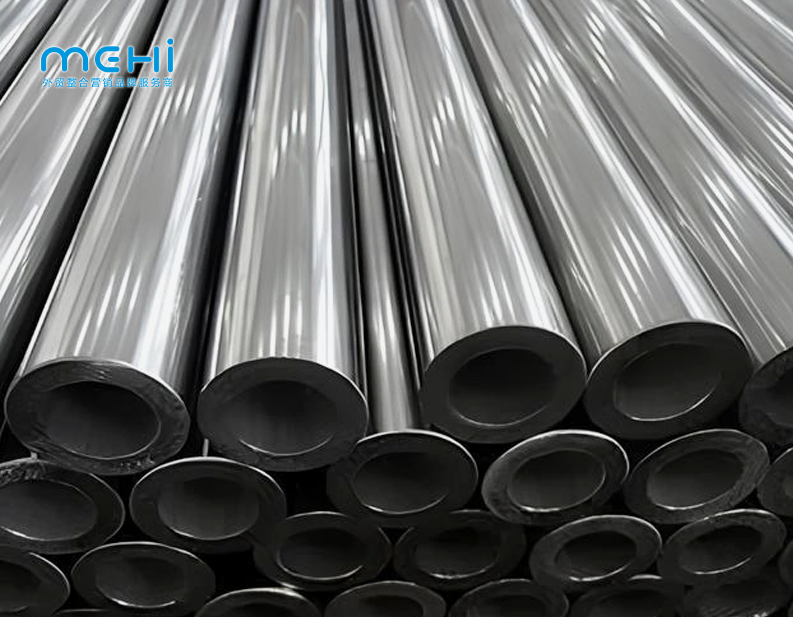
Learning about the unique qualities of Nickel 200 that make it an essential material in many fields is the first step to successful buying. This commercially pure nickel metal has at least 99.0% nickel in it, making it very good for situations where resistance to rust and heat stability are very important.
Chemical Composition and Standards Compliance
Different countries have strict rules about Nickel 200 (UNS N02200), such as DIN 17750, ASTM B161, and ASME SB161. The alloy has almost no iron (up to 0.40%), very little carbon (up to 0.15%), and very little manganese, sulfur, and silicon. A lot of work goes into this science to make sure that the mechanical properties stay the same and the material always does what it's supposed to do.
The material is very strong (between 55,000 and 85,000 psi) when pulled apart, but it is also very bendable and easy to form. Because it is both strong and easy to use, nickel metal tubing is very useful in many situations.
Key Applications Across Industries
Pure nickel tubing is used in lots of different fields, and each one makes the most of its special qualities. Chemical processing companies like that the material can handle strong acids and bases, and aircraft manufacturers like that it can work in hot situations. For specific uses, electronics companies depend on its ability to carry power and stay in shape.
Heat exchangers work well because the metal is a good thermal conductor. It moves heat quickly and keeps it from rusting from hard media. As long as it doesn't rust in salt water, it can be used for things like remote tools and filter systems.
Top Nickel 200 Tubing Suppliers in the USA – Leading Brands and Manufacturers
To pick the best service, you should carefully think about a number of things that will affect the project's success and the long-term security of operations. A lot of well-known companies make and sell goods in the American market. When it comes to customer service, professional help, and the things they sell, each one is better at different things.
Evaluation Criteria for Supplier Selection
Good quality checks can help you figure out if a company you can trust is always putting out the same product. The best service providers make sure their quality management systems are up to date with ISO 9001 and standards related to their business, such as AS9100 for aerospace uses. In order to keep track of things and make sure the quality is good, ASTM compliance paperwork and material test records are very important.
A supplier's ability to meet specific project needs depends a lot on how well they can make things. Modern tube-making equipment in advanced production sites lets them offer precise sizes, smooth surfaces, and the same wall thickness across the entire product range.
The ability to provide technical help sets exceptional providers apart from average ones. Expert mechanical advice, welding suggestions, and advice tailored to the application help buyers choose the best materials and install them more efficiently.
Manufacturing Infrastructure and Capabilities
These days, factories usually have more than one production line and use complex systems to keep an eye on quality. Advanced providers keep a lot of stock on hand, including Nickel 200 tubing, and offer customization services like precise cutting, bending, and special surface treatments. Adding automatic checking systems makes sure that all production runs have the same level of surface quality and accuracy in measurements.
Customization options go beyond simple changes to the size of an item; they also include specialized surface processes like etching and anodizing. With these services, sellers can send goods that are ready to be used and meet certain performance standards without any extra work.
How to Buy Nickel 200 Tubing – A B2B Procurement Guide?
When you plan to buy something, you need to find a way to get the best deals while also making sure the things are good. You get the most money back over the life of something you buy. You can make smart choices that will help you reach your project goals if you know how the market works, what service providers can do, and how to check the quality of the work.
Cost Optimization Strategies
Save money and make sure you always have what you need by buying in bulk. The price per unit goes down as the order size goes up with a service company. When you look for ways to save money and space, think about what you have and how you use it.
It can be hard to plan your shopping and remember what you need because each one has a different minimum order amount. Get things from people who will let you change your mind. It will help your business run better and save you money.
Quality Verification and Certification Requirements
Quality control in business settings is based on paperwork that certifies the materials being used. Mill test certificates (MTC) and third-party verification reports from companies like SGS are very important for keeping track of things and making sure they are compliant. These papers list the chemical makeup, mechanical qualities, and size requirements for each production lot.
Free samples let you check out and evaluate the stuff before placing a bigger order. Progressive companies offer samples of their products so that they can be tested for particular uses and to make sure they are compatible.
Supply Chain Management Considerations
When making plans for projects, it's very important to think about lead times, especially when special methods or specs are needed. Sometimes standard things are sent out in a few days, but sometimes it takes a few weeks longer for unique orders because the plant is so busy right now.
Logistics planning is more than just making plans for when things will be delivered. How well the supply chain works and how well materials stay in good shape can be affected by things like having the right temperature in storage, following certain handling rules, and keeping track of records.
Technical Support and Installation Services for Nickel 200 Tubing
The function and service life of a material are directly affected by how it is installed and handled. Full technical support from reputable sources helps make sure that investments in materials work as planned throughout their entire business lives.
Welding and Fabrication Guidelines
When you weld pure nickel (such as Nickel 200 tubing), you have to do certain things and use finishing materials to keep the bond strong and prevent rust. Providers who are qualified give detailed welding tips, like how to get ready, what temperatures to use between passes, and how to treat the metal with heat after welding is done. People who make things follow these rules to make the best joints possible while keeping the material's ability to fight rust.
The material's work-hardening and springback properties must be taken into account when it is bent or shaped. If you want to keep material stress as low as possible while still meeting the physical needs, technical support teams can help you pick the right tools and set the right settings for making them.
Maintenance and Performance Optimization
During its working life, maintenance plans try to keep the material's ability to fight rust and keep its structure intact. Protocols for regular inspections help find problems before they affect the safety or performance of the system. Surface treatments and the qualities of the base material stay the same, thanks to cleaning methods and upkeep materials that work with them.
Quality assurance testing includes checking the size, checking the finish, and making sure the material has the right properties. Advanced providers use thorough testing methods that make sure they meet all standards and customer requirements.
Company Introduction and Our Solutions
Meihao represents a comprehensive approach to connecting international buyers with premium Chinese manufacturers specializing in high-performance materials and industrial components. Our platform serves as a trusted gateway for companies seeking reliable sourcing solutions across diverse industries, including metals and raw materials, manufacturing products, and specialized components.
Manufacturing Excellence and Quality Assurance
Our network includes manufacturers operating advanced production facilities with multiple production lines and extensive machining capabilities. These facilities maintain rigorous quality standards while offering comprehensive customization services. The combination of modern equipment and experienced technical teams ensures consistent product quality and reliable delivery performance.
Certification compliance remains paramount in our supplier selection process. Partner manufacturers maintain international quality certifications and provide comprehensive documentation, including material test certificates and third-party verification reports. This commitment to transparency and quality assurance supports buyer confidence and regulatory compliance requirements.
Service Capabilities and Support
Technical consultation services help buyers navigate complex material selection decisions and specification requirements. Our team provides guidance on application suitability, performance optimization, and cost-effective sourcing strategies. This support extends throughout the procurement process from initial inquiry through delivery and installation.
Flexible ordering arrangements accommodate diverse business requirements from research quantities to large-scale production orders, including Nickel 200 tubing. Our suppliers understand the importance of reliable delivery schedules and maintain inventory levels that support both planned procurement and emergency requirements.
Conclusion
The landscape of nickel alloy tubing suppliers in the United States offers numerous options for buyers seeking high-quality materials for demanding applications. Success in procurement requires careful evaluation of supplier capabilities, quality systems, and technical support services. Understanding material properties, application requirements, and industry standards enables informed decision-making that supports project objectives while optimizing long-term value. As industries continue to evolve and performance requirements become increasingly stringent, partnering with suppliers who demonstrate consistent quality, technical expertise, and reliable service becomes essential for operational success.
FAQ
1. What distinguishes Nickel 200 from Nickel 201 tubing?
Nickel 200 contains higher carbon content compared to nickel 201, making it suitable for applications up to 600°F (315°C). Nickel 201's lower carbon content provides superior performance at higher temperatures, typically above 600°F. The choice between these alloys depends on operating temperature requirements and specific application conditions.
2. Can Nickel 200 tubing withstand high-temperature chemical environments?
Pure nickel tubing demonstrates excellent resistance to caustic solutions, organic acids, and reducing environments at elevated temperatures. However, performance varies with specific chemical compositions and operating conditions. Consulting with materials engineers helps determine suitability for specific chemical-processing applications.
3. What are typical lead times for custom orders?
Standard dimensioned products typically ship within 5-10 business days, while custom specifications may require 3-6 weeks depending on complexity. Specialized surface treatments or non-standard dimensions can extend delivery schedules. Early communication about project timelines helps suppliers prioritize production scheduling and meet critical delivery requirements.
Partner with Meihao for Premium Nickel 200 Tubing Solutions
Meihao connects discerning buyers with certified Nickel 200 tubing manufacturers who meet the highest industry standards. Our platform specializes in facilitating B2B relationships between international companies and qualified Chinese suppliers, ensuring access to premium materials at competitive prices. As a Google Premier Partner recognized for excellence in 2023 and 2024, we leverage advanced sourcing capabilities to identify suppliers that match your specific requirements for nickel alloy tubing. Our comprehensive verification process ensures that partner manufacturers maintain international certifications, advanced production capabilities, and reliable quality systems. Contact our team at somyshare@gmail.com to discover how our sourcing expertise can streamline your procurement process while delivering exceptional value and service quality.
References
1. ASTM International. "Standard Specification for Seamless Nickel and Nickel-Copper Alloy Condenser and Heat Exchanger Tubes." ASTM B161/B161M-20.
2. American Society of Mechanical Engineers. "Specification for Seamless Nickel and Nickel-Copper Alloy Condenser and Heat Exchanger Tubes." ASME SB-161-2019.
3. Deutsches Institut für Normung. "Seamless Circular Tubes of Nickel and Nickel Alloys - Technical Delivery Conditions." DIN 17750-2018.
4. ASM International Handbook Committee. "Properties and Selection: Nonferrous Alloys and Special-Purpose Materials." ASM Handbook Volume 2, 10th Edition.
5. Nickel Institute. "Guidelines for Welding Nickel and Nickel Alloys." Technical Publication No. 11021, 2019 Edition.
6. NACE International. "Materials and Fabrication Practices for New Pressure Vessels in Wet H2S Refinery Service." NACE MR0175/ISO 15156 Standard.