- English
- French
- German
- Portuguese
- Spanish
- Russian
- Japanese
- Korean
- Arabic
- Greek
- German
- Turkish
- Italian
- Danish
- Romanian
- Indonesian
- Czech
- Afrikaans
- Swedish
- Polish
- Basque
- Catalan
- Esperanto
- Hindi
- Lao
- Albanian
- Amharic
- Armenian
- Azerbaijani
- Belarusian
- Bengali
- Bosnian
- Bulgarian
- Cebuano
- Chichewa
- Corsican
- Croatian
- Dutch
- Estonian
- Filipino
- Finnish
- Frisian
- Galician
- Georgian
- Gujarati
- Haitian
- Hausa
- Hawaiian
- Hebrew
- Hmong
- Hungarian
- Icelandic
- Igbo
- Javanese
- Kannada
- Kazakh
- Khmer
- Kurdish
- Kyrgyz
- Latin
- Latvian
- Lithuanian
- Luxembou..
- Macedonian
- Malagasy
- Malay
- Malayalam
- Maltese
- Maori
- Marathi
- Mongolian
- Burmese
- Nepali
- Norwegian
- Pashto
- Persian
- Punjabi
- Serbian
- Sesotho
- Sinhala
- Slovak
- Slovenian
- Somali
- Samoan
- Scots Gaelic
- Shona
- Sindhi
- Sundanese
- Swahili
- Tajik
- Tamil
- Telugu
- Thai
- Ukrainian
- Urdu
- Uzbek
- Vietnamese
- Welsh
- Xhosa
- Yiddish
- Yoruba
- Zulu
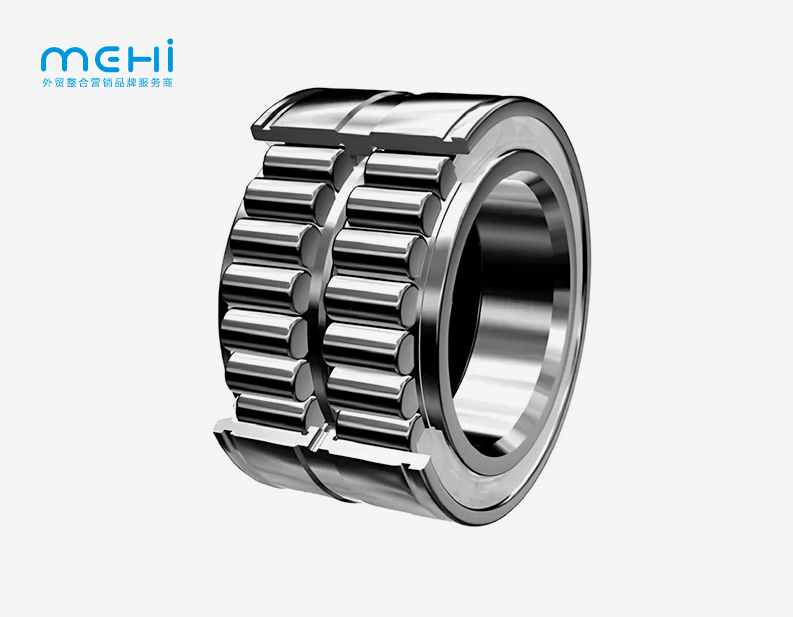
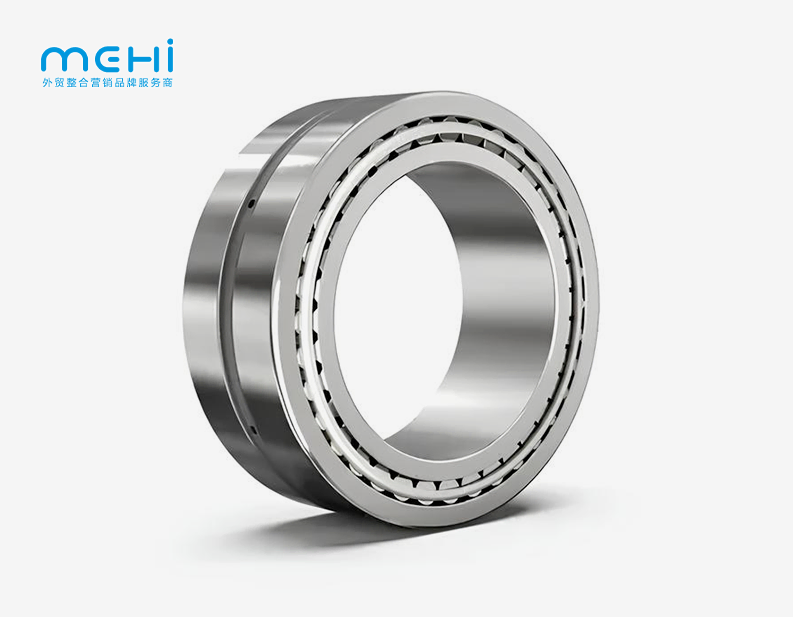
Double Row Cylindrical Roller Bearing systems are an important part of heavy industrial settings because they offer the highest radial load capacity and operational stability. These carefully made parts are used in heavy-duty gears, big electric motors, building equipment, wind turbine systems, and steel rolling mills. Their double-row cylindrical roller bearing design makes them more rigid than single-row options, which is why they are essential for equipment that works in harsh conditions and continuous job cycles. This guide looks at the five most serious situations where these bearings improve performance and lower downtime.
Application in Heavy-Duty Gearboxes
Heavy-duty gearboxes are the mechanical heart of factories, mines, and systems that move ships. These units have to deal with constant radial loads and moderate axial forces. They need bearing solutions that can keep them precisely aligned and spread the forces evenly across many contact points.
Why Double Row Designs Outperform Single Row Alternatives
When you look at how loads are distributed, you can see that Double Row Cylindrical Roller Bearings are better for architecture. A single-row bearing puts all of its stress on one track, which speeds up wear and shortens the time between repairs. The Double Row Cylindrical Roller Bearing design, on the other hand, spreads rotational loads across two sets of parallel rollers, which doubles the load capacity without increasing the size by the same amount. This design gives the structure more stiffness, which stops it from bending at high torque levels, which is very important for gearboxes that send power above 500 kW. Industrial tests show that using the right Double Row Cylindrical Roller Bearings can increase the time between gearbox rebuilds by 40–60% compared to single-row bearings. This directly leads to lower maintenance costs and more uptime for production.
Technical Specifications for Gearbox Applications
The NN and NNU series bearings meet specific mounting needs for gearboxes thanks to their complementary rib designs. NN designs have inner rings with two built-in ribs and outer rings without ribs. This lets the outer race float axially inside the housing. This setup allows the shafts to expand and contract with temperature changes while they're working, which keeps stress from building up and causing them to break too soon. On the other hand, NNU series bearings have inner rings without ribs and outer races with two rows of ribs. These are perfect for situations where the shaft needs to move axially while keeping the outer ring's location precise. Both types use GCr15 and GCr15SiMn bearing steel, which are hardened steels with hardness levels between 60 and 65 HRC that don't wear down on the surface when loaded and unloaded many times.
Bore diameters that run from 200mm to 1500mm are suitable for industrial gearbox shafts that are medium- to extra-heavy in weight. The design that lets the inner and outer assemblies be mounted separately makes installation easier. This is especially helpful during gearbox maintenance, when taking the whole thing apart would stop production. Tapered bore options (shown by the suffix K) let you change the radial clearance by moving the tapered shaft seats axially. This gives you more installation options to find the best preload conditions.
Use in Large Electric Motors and Generators
Industrial motors that power mill drives, conveyor systems, and compressors need bearings that balance how much weight they can hold with how well they can turn. Most of the time, these apps need to run continuously at low speeds. Managing friction has a direct effect on how much energy is used and how stable the temperature is.
Addressing Heat Dissipation Challenges
Electric motors make heat through electromagnetic losses and mechanical friction. This creates temperature differences that change the internal clearances of bearings. Because they have a line-contact geometry that makes them less frictional than ball bearings under the same radial loads, Double Row Cylindrical Roller Bearings can handle these thermal dynamics well. Less friction means less heat is generated at the interface of the bearing, which helps keep operating temperatures stable. The ribless race design in either NN or NNU configurations lets parts move axially as they expand. This gets rid of the binding forces that would normally make friction worse and wear happen faster.
Selection Criteria for Motor Bearing Applications
When engineers look at different bearing choices for motor uses, they have to decide which technical factors are the most important. To account for startup fluctuations and changes in load, radial load values should be 1.5 to 2.0 times higher than the estimated working loads. When used in variable frequency drives (VFDs), bearing materials need to be able to resist electrical pitting caused by stray currents. GCr15SiMn steel grades are better at this than standard alloys when it comes to insulation. Dimensional precision matching with an ISO error class of P6 or less ensures that the shaft rotates in a circle, reducing vibrations that can cause coil insulation to fail early.
Reliable bearing makers offer detailed technical catalogues with information on load rates, speed limits, and fixing requirements. When procurement teams are looking for parts, they should check that the suppliers are certified and ask for dimensional inspection records to make sure the parts meet stated limits.
Application in Construction and Mining Equipment
Machines used in construction, like excavators, wheel loaders, and mobile breakers, work in places that are not good for precise parts. Dust getting in, shock loads from impacts, and constant vibration make for tough service conditions where the availability of equipment depends on how reliable the bearings are.
Enhanced Shock Resistance in Harsh Environments
When moving materials, mining and construction equipment puts impact loads on bearings that are higher than their static ratings. Because their cages are strong and their internal geometry is optimised, Double Row Cylindrical Roller Bearings can handle these shock forces. The Double Row Cylindrical Roller Bearing setup provides redundancy; if damage happens in one area of a raceway, the second row will keep carrying loads until repair can be scheduled. This ability to withstand damage is very useful on remote job sites where broken equipment has a direct effect on project schedules.
Double Row Cylindrical Roller Bearings have higher radial stiffness than spherical roller bearings, which is useful for situations where controlling misalignment is more important than being able to self-align. Tapered roller bearings can handle combined loads well, but they need to be mounted and installed in pairs, which makes the assembly process more difficult. When it comes to equipment that mostly faces radial loads with some axial loads and misalignment, Double Row Cylindrical Roller Bearing designs are the best balance.
Maintenance Practices Maximizing Service Life
In construction applications, effective maintenance programs greatly increase the life of bearings. The amount of time between lubrications should match the working conditions. For example, equipment that works in dry, dusty places needs to be greased more often than units that are in controlled facilities. Synthetic greases with an NLGI grade 2 consistency are very good at protecting things, and lithium complex thickeners make equipment that is exposed to water more resistant to water damage. During checks, contamination seals should be looked at carefully; broken seals let rough particles into bearing spaces, which speeds up wear. Setting up predictive maintenance plans that use vibration analysis can help find problems before they become catastrophic, which protects both bearings and other machinery parts.
Use in Wind Turbine Gearboxes and Yaw Systems
In places where upkeep is hard to get to or costs a lot, wind energy projects need bearings that can last for a long time between repairs. Wind speeds change, putting a lot of stress on turbine gears. Yaw systems handle slow, heavy spinning, while nacelles follow the direction of the wind.
Meeting Renewable Energy Industry Requirements
Through multiple stages of gearboxes, turbine gearboxes speed up the slow rotor speeds to generator operating speeds, putting a lot of radial load on the intermediate shafts. Due to their high stiffness, Double Row Cylindrical Roller Bearings keep the shaft from movement that could misalign the gear teeth and speed up wear. When it comes to turbines with a rating above 2 MW, load capacity advantages are especially useful because bearing failures cause expensive crane mobilisations and long outages.
Specifications for bearings used in the wind business include strict qualification tests that go above and beyond normal manufacturing requirements. Long-term reliability tests are done on bearings that simulate 20-year service lives under changing loads, temperature changes from -40°C to +80°C, and vibration exposure that matches the working profiles of turbines. Manufacturers that sell to wind OEMs offer a wide range of technical support, such as finite element analysis (FEA) of bearing installations, lubrication engineering, and failure mode analysis to help OEMs choose the best parts.
Quality Standards and Supplier Selection
When purchasing turbine bearings, procurement workers should make sure that suppliers have quality management systems that are certified to ISO 9001 standards. Other wind-specific certifications show that the seller has experience in the industry. Dimensional correctness of at least ISO 492 tolerance class P5 makes sure that bearings work properly in gearboxes with limited space between them. For wind uses, warranties usually last between 5 and 10 years, which shows that the maker trusts the part to last. It's important to have access to technical support—suppliers should offer application engineering help to help customers choose the best bearing configurations and mounting arrangements.
Application in Steel Rolling Mills and Heavy Presses
Bearings in steel factories may have to work in some of the harshest conditions in the industry. As stock moves through the work rolls in rolling mills, it creates huge radial loads. However, the high temperatures from the hot material and the scale contamination make bearings less durable.
Extreme Condition Performance Characteristics
For use in rolling mills, bearings need to be able to handle a lot of weight, handle heat, and not get dirty. These needs are met by Double Row Cylindrical Roller Bearings, which are made with materials and designs that work well in industrial settings. The hardness of high-carbon chromium bearing steel (GCr15) stays the same at temperatures close to 150°C. Carburised alloy steel types like G20Cr2Ni4A are more durable and can withstand damage from mill vibrations and material handling shocks. Because the bearings can be taken apart, the roller and cage system can be replaced quickly during maintenance times. This cuts down on mill downtime, which costs companies thousands of dollars an hour in lost production.
When you compare bearing types for mill applications, you can see that they have different performance tradeoffs. Needle roller bearings have small cross-sections that make them good for work roll neck installations that don't have a lot of room. However, their smaller roller diameters make them less durable and limit how much weight they can hold. Older mill stands often have major misalignment problems that spherical roller bearings can handle, but their internal geometry makes them more prone to friction and heat than cylindrical types. For modern mill designs that need to keep roll alignment tolerances very tight, Double Row Cylindrical Roller Bearings offer the best load distribution and thermal performance.
Lubrication and Sealing Strategies
It is very important to have good lubrication in mill bearing situations where water-based coolants, scale particles, and high temperatures can damage the oil film. The best way to lubricate important mill bearings is with circulating oil systems that give filtered lubricant at controlled temperatures. These systems also cool the bearings while they lubricate them. Choosing the right oil viscosity matches the need for film strength with the energy needed to pump it. ISO VG 320 grades work well in most mill uses, and synthetic base stocks are better at withstanding high temperatures. When you combine labyrinth seals with purge air systems, you get positive pressure barriers that stop contaminants from getting in while still letting heat expand. By checking the oil regularly for wear metals, particle counts, and oxidation levels, you can spot problems early on and use condition-based maintenance plans to get the most out of your bearing service intervals.
Conclusion
Heavy machinery uses requiring high radial load capacity, operating rigidity, and service dependability benefit greatly from Double Row Cylindrical Roller Bearings. These precise parts help equipment meet production goals while reducing unplanned downtime. They are used in gearbox setups that need to account for thermal expansion and wind turbine systems that work in rural areas. The technical details given, such as the NN and NNU series configurations, material choices ranging from GCr15 to carburised alloy steels, and bore diameter ranges for 200mm to 1500mm shafts, give procurement professionals the information they need to choose the best bearing solutions. To choose the right bearings, you need to carefully look at the load conditions, environmental factors, and maintenance requirements of the application and match the bearings' capabilities to those needs. Working with suppliers who are knowledgeable and offer full technical support is the best way to make sure that bearing installations last as long as they can.
FAQ
1. What distinguishes double-row cylindrical roller bearings from single-row designs?
Load-sharing design is what makes the main difference. In Double Row Cylindrical Roller Bearing configurations, two sets of rollers are placed parallel to each other and share radial loads. This effectively doubles the capacity while increasing rigidity to keep the shaft from deflecting. When compared to single-row bearings working in the same conditions, this design greatly increases the service life. This is especially helpful in situations where big loads or shock forces are present all the time. The extra stiffness is useful for precise machines that need very little runout, like machine tool spindles that use Double Row Cylindrical Roller Bearings as main shaft supports.
2. How do NN and NNU series bearings differ?
The series number tells you where the ribs are, which determines how much the part can move in one direction. NN bearings have inner rings with two ribs and outer rings without any ribs. This lets the outer race move axially within the housings, which is great for situations where the shaft needs to be able to expand and contract with temperature changes. This design is turned around in the NNU series, which has inner rings without ribs and outer races with two rows of ribs. This lets the shaft move axially while keeping the outer ring in place. In installations with two of them, a second bearing provides axial positioning, and these two work together as non-locating bearings.
3. What maintenance practices maximize bearing service life?
Preventing contamination and managing grease are two important parts of good upkeep. Regularly check the seals and replace any broken parts right away to stop gritty particles from getting in. Check the state of the lubricant by looking at it or using official oil analysis tools. Refresh the grease or change the oil at times that match the severity of the operation. Set up baseline readings and alert thresholds for monitoring vibrations on important equipment to find problems as they arise. When doing maintenance, be careful not to damage or scratch the bearings as you touch them, and make sure they are mounted correctly so that the internal gaps meet the requirements.
Partner with Meihao for Expert Bearing Sourcing Solutions
Meihao Supply Chain Company connects engineering teams and buying professionals with skilled Double Row Cylindrical Roller Bearing manufacturers all over China. This makes it easier to find important parts for rotating equipment. Our platform is expert at connecting people from around the world with trusted sellers of NN and NNU series bearings in all sizes, so you can get parts that exactly meet your needs. As a Google Premier Partner that was recognised for success in 2023 and 2024 and won the 2024 Top Google Partner award in Greater China, we have strict standards for verifying suppliers that make sure the quality of our products meets international standards. No matter if you need standard catalogue items or custom-engineered solutions with certain material grades and tolerance classes, our network of suppliers can give you options that you can trust, along with good documentation. Contact our team at somyshare@gmail.com to talk about your bearing needs, get technical specs, or get in touch with reliable Double Row Cylindrical Roller Bearing suppliers who can help with your heavy machinery projects. You can look through our extensive production network at chinatopmanufacturer.com and learn how skilled B2B sourcing support can help you get better deals.
References
1. Harris, T.A., and Kotzalas, M.N. Rolling Bearing Analysis: Essential Concepts of Bearing Technology. CRC Press, 2006.
2. ISO 15243:2017. Rolling Bearings — Damage and Failures — Terms, Characteristics and Causes. International Organization for Standardization.
3. Wenske, J. Gearbox Reliability Collaborative Investigation of Gearbox Motion and High-Speed-Shaft Loads. National Renewable Energy Laboratory Technical Report, 2013.
4. Budynas, R.G., and Nisbett, J.K. Shigley's Mechanical Engineering Design. McGraw-Hill Education, 2015.
5. SKF Group. Rolling Bearings Catalog. SKF Technical Documentation, 2022.
6. American Gear Manufacturers Association. AGMA 9005-F16: Industrial Gear Lubrication. AGMA Standards, 2016.