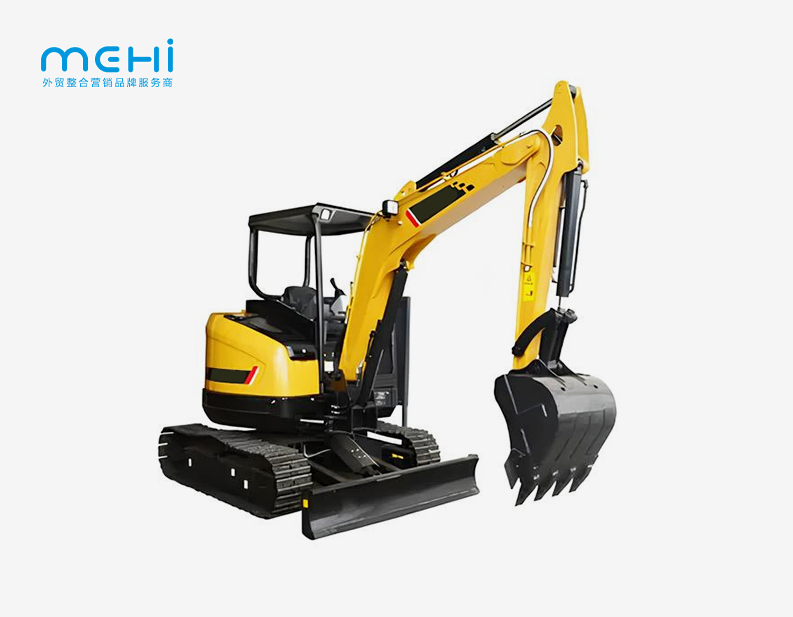
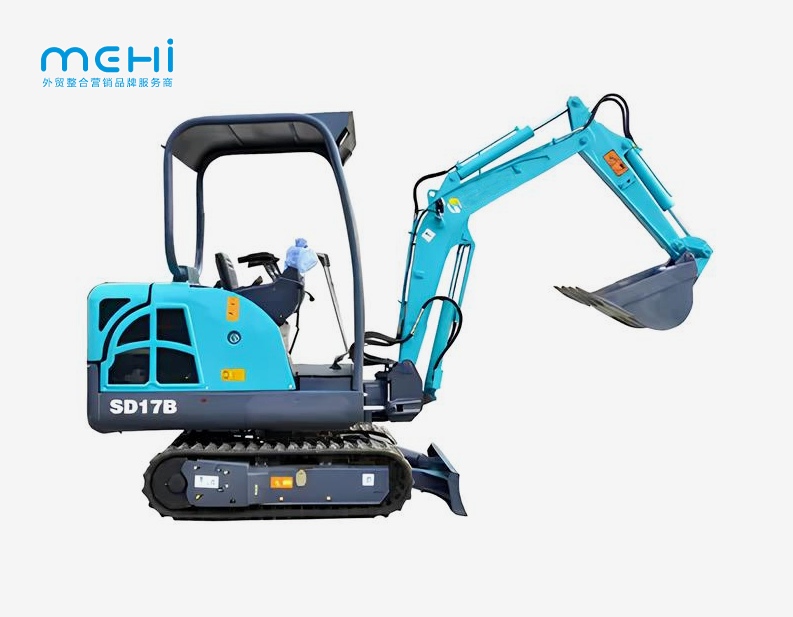
When working on building projects in cities, picking the right digger can make or break the project. In cities, midi and mini excavators are used for different things. Mini excavators are better for working in small areas and with lighter loads, while midi excavators have more power for medium-sized jobs. Which of these two types of machines to use depends on the needs of the project, the limitations of the place, and the needs of the business. Knowing what they can do, how much they cost, and how they can be used helps workers make decisions that are more efficient and get the best return on their investment.
Introduction
Building in cities has its own problems that need to be solved with specific tools. Contractors and project managers have to make tough decisions all the time because of noise restrictions, limited space, and different project needs. The demand for compact excavators has grown a lot in the building business. The global mini excavator market will reach $8.2 billion in 2023 and is expected to grow at a rate of 6.1% per year until 2030. Mini excavators, which usually weigh between 1 and 6 tons, are the most common type of machine used for utility work and working in tight spaces in cities. These small machines work great in private areas, gardening jobs, and places with limited access where movement is more important than raw power. Midi excavators, which weigh between 5 and 8 tons, are between small and standard excavators. They are better for medium-sized urban jobs because they can dig deeper, lift more, and be more stable. Picking the right digger size has a direct effect on how well the job works, how much it costs, and how quickly it gets done. When you choose the wrong tools, you could lose time and money, use more gas, and put yourself and others in danger in crowded cities.
Understanding Key Differences Between Midi and Mini Excavators
The main differences between midi and mini crushers are not just their sizes, but also their performance, how efficiently they work, and how they affect the environment. There are different types of people who buy these tools for urban building, and each one is best for a certain type of job and size.
Specifications and Features Comparison
Size and weight differences have a big effect on how versatile a machine is and how easy it is to get to work sites. Mini excavators are great for tight areas and surfaces that don't like being pushed around because they're only 4 to 6 feet wide and can carry up to 13,000 pounds. With working weights between 11,000 and 18000 pounds, midi excavators are more stable and can lift more. They are 6 to 8 feet wide. Engine speed is another important factor that sets one product apart from another. Most mini excavators have engines with 15 to 75 horsepower, while most midi excavators have engines with 50 to 120 horsepower. In small areas, our Midi Excavator with a 13.5 HP B&S Gas Engine is a great example of how power can be delivered efficiently. It can be used for removal, building, gardening, planting, and farming. The bucket size changes a lot between types. For example, mini excavators have buckets that can hold 0.1 to 1.0 cubic yards, while midi excavators' buckets can hold 0.5 to 2.0 cubic yards. Mini excavators use between 1 and 4 gallons of oil per hour, while midi excavators use between 3 and 6 gallons per hour. This affects their operating costs. Electric versions of both types are starting to appear. They have lower noise and pollution levels, making them good for use in cities.
Performance Capabilities for Urban Construction
Digging depth and pulling power have a direct effect on how useful a project is and how fast it can be completed. It is possible for mini excavators to dig as deep as 6 to 12 feet and lift to 8,000 pounds at their highest point. With a midi digger, you can dig up to 12 to 16 feet deeper and lift to 6,000 to 15,000 pounds, which lets you do bigger mining jobs. Mini excavators are easier to move around, which is helpful in places with limited access. Designs with zero-tail-swing allow them to work within their own area. Midi loaders give up some movement to be more stable and better at moving power. Attachments like hydraulic thumbs, augers, hammers, and specialty tools make both types of machines more useful by increasing their operating freedom. Levels of noise pollution affect how well urban projects follow city rules. When they're working, mini excavators make about 70 to 80 decibels of noise, and midi excavators make about 75 to 85 decibels. These types of noise affect the hours of operation that are allowed and how the site can be disturbed in home and business areas of cities.
Assessing Urban Construction Project Needs
Urban construction environments demand careful evaluation of project-specific requirements to ensure optimal equipment selection. Site constraints, regulatory compliance, and operational objectives guide decision-making processes for contractors and equipment managers seeking maximum efficiency and cost-effectiveness.
Common Uses and Application Scenarios in Urban Settings
In cities, utility drilling is the main job in which both types of machines are used. Mini excavators are great for projects that need to be precise and cause little damage to the ground, like fixing water lines, putting in electrical cabling, and building telecommunications infrastructure. These small machines can get between old buildings and services while still leaving enough room for work. Mini excavators are best for landscaping and getting the site ready for small business and household jobs. Their precise control and lower ground pressure make them great for tasks like removing trees, preparing flower beds, and installing hardscape. Medium-sized excavators are used for bigger gardening jobs that need to move a lot of dirt, grade, and move things around. The extra features that midi tractors have are often needed for foundation work and building projects. Building foundations, retaining walls, and digging for underground parking all need midi excavators because they can dig deeper and lift more weight. Safety rules in crowded cities require that all machines, no matter how big or small, have certain licenses and standards for the people who operate them.
Matching Equipment Size to Project Scale and Complexity
Mini excavators are best for jobs that need careful control in small areas and don't need to move a lot of material. A tiny digger is perfect for adding on to homes, making small changes to businesses, and maintaining utilities. Their small size lets them work on surfaces that are sensitive to weight and on the narrow entryways that are common in established urban neighborhoods. The midi digger is better for medium-sized jobs that need to keep working efficiently and offer more power. They are better for building roads, bridge foundations, and business sites because their buckets can hold more, and they dig deeper. Midi excavators are better for long periods of time of use because they are more comfortable for the operator and use less fuel while still being more productive. Case studies from big city building projects make the limits of the application clear. Due to limited room, a recent downtown Denver utility job used mini excavators for 80% of the trenching work. Midi excavators were used for main line hookups and pump station drilling. This mixed method increased output while lowering project costs and traffic problems.
Cost Analysis and Procurement Considerations
When figuring out the total cost of ownership, you have to look at the original costs, the ongoing costs, and the asset's leftover value. By understanding these financial factors, you can make smart choices about what to buy that combine short-term budget needs with long-term goals for making money.
Operating Costs and Maintenance Tips
Patterns of fuel use have a big effect on running budgets over the lifecycles of machines. Mini excavators usually use $15 to $30 worth of fuel every hour, while midi excavators usually use $25 to 45 worth of fuel every hour. These numbers change depending on how hard the job is, how skilled the user is, and how the engine is maintained, all of which affect its efficiency. Different types of machines have very different maintenance needs. Maintenance costs for mini excavators are about $8 to $15 per hour because their hydraulic systems are simpler and their parts are not as complicated. Because their systems are more complicated and under more stress, midi tractors need more extensive upkeep, which costs between $12 and $25 per hour. In urban markets, downtime and service prices are affected by the supply of parts. Because they are made in smaller quantities and with simpler forms, mini excavator parts usually cost 20–30% less than midi excavator parts of the same type. According to preventive maintenance plans, both types should be serviced every 50 hours, and major services should be done every 250 to 500 hours, based on how the machine is being used.
Purchase, Rental, and Leasing Options
Prices for new mini excavators range from $25,000 to $120,000, based on the size, features, and manufacturer's requirements. New midi tractors with extra features and longer guarantees cost between $80,000 and $200,000. You can save a lot of money by buying used tools. Machines that are three to five years old still have 60 to 70 percent of their original value when they are used normally. Rental rates give you the freedom to meet the needs of a particular job without having to make long-term ownership promises. Mini excavators cost $200 to $400 per day to rent, while midi excavators cost $300 to $600 per day. For longer jobs, renting a mini excavator for a month costs about $3,000 to $5,000, and renting a midi excavator for a month costs about $4,500 to $8,000. Manufacturers and sellers offer a variety of financing choices, such as lease-purchase deals, low-interest loans, and yearly payment plans that work with the cash flow trends of the building industry. Leading brands like Caterpillar, Kubota, and Bobcat offer reasonable financing terms with interest rates as low as 0% for approved buyers. This makes it easier for building companies that are growing to buy the equipment they need.
Making the Right Choice: Midi Excavator or Mini Excavator?
Equipment selection requires a systematic evaluation of project parameters, operational requirements, and financial constraints. Decision-making frameworks help contractors optimize equipment choices while maximizing return on investment and operational efficiency.
Decision Criteria Based on Project Needs and Budget
Analyzing the type of job is what guides choices about what tools to buy. Mini excavators are best for projects that need to be precise and work in tight areas. Midi excavators are better for jobs that need to be productive for a long time and move a lot of material. Assessing site constraints such as entry route width, ground bearing capacity, and high clearance limits can affect the size of the machine that needs to be used. When making a budget, you need to think about things like buying costs, running costs, and the potential costs that come with changes in output. Mini excavators have lower start-up and running costs, but they may need more time to complete large mining projects. Midi loaders require bigger original investments, but they are more productive, which can make up for their higher running costs. Noise limits, pollution rules, and limited room are all operating environment factors that affect the usefulness of tools. In cities, environmental rules are often very strict, and tools that are cleaner and quieter are usually preferred, no matter what size they are. In crowded cities where service support may be limited, fuel economy and ease of access to upkeep become very important.
Practical Recommendations and Customization Tips
Choosing the right attachments has a big effect on how versatile the machine is and how well it works for projects. Both types of machines can handle materials more precisely with hydraulic thumbs, and augers, hammers, and grapples are just a few of the devices that can be used to make them more useful. There are thumb extensions on our Midi Excavator that are made for building work in small areas, removal jobs, and gardening. Long-term value factors include the ability to sell the item again, the rate at which technology changes, and the direction of market demand. Mini excavators have higher reselling prices because they are more popular with buyers and can be used for a wider range of tasks. While midi excavators can be more productive, they are harder to sell, which could make loan choices more appealing for some owners. When making performance trade-offs, you need to carefully weigh the pros and cons of speed vs. accuracy, power vs. movement, and capacity vs. flexibility. Successful builders usually keep a mix of both types of machines in their teams so that they can best use the right tools for each job while still being able to adapt to different urban building possibilities.
Conclusion
The choice between midi and mini excavators for urban construction projects depends on careful evaluation of project scale, site constraints, and operational requirements. Mini excavators excel in tight spaces, precision work, and cost-sensitive applications, while midi excavators provide enhanced productivity, deeper digging capabilities, and superior lifting capacity for medium-scale projects. Both machine categories offer distinct advantages that align with specific urban construction scenarios, making informed selection critical for project success and profitability.
Frequently Asked Questions
1. What is the main operational difference between midi and mini excavators?
The primary operational differences lie in power output, digging capacity, and lifting capability. Mini excavators typically offer 15-75 horsepower with digging depths up to 12 feet, while midi excavators provide 50-120 horsepower with digging depths reaching 16 feet. Midi excavators also feature larger bucket capacities and enhanced lifting forces, making them more suitable for sustained heavy-duty operations.
2. How do I determine which excavator size is best for my urban project?
Consider three key factors: site access constraints, material handling requirements, and project duration. Mini excavators suit projects with narrow access, light to moderate material volumes, and precision requirements. Midi excavators excel in projects requiring deep excavation, heavy material handling, and sustained productivity over extended periods. Evaluate your specific site conditions and operational demands to make the optimal choice.
3. Are electric mini excavators a viable and cost-effective alternative to diesel models?
Electric mini excavators offer compelling advantages for urban applications, including zero emissions, reduced noise levels, and lower operating costs. However, they currently face limitations in runtime duration and initial acquisition costs. For projects with access to charging infrastructure and environmental compliance requirements, electric models can provide long-term cost savings despite higher upfront investments.
Ready to Find Your Perfect Excavator Solution?
Meihao specializes in connecting you with premium mini excavator suppliers and manufacturers offering competitive solutions for your urban construction needs. Whether you require a compact mini excavator for tight space operations or a powerful midi excavator for demanding projects, our expert team provides personalized consultation to match your exact requirements. Explore our comprehensive inventory, competitive financing options, and exceptional after-sales support designed to maximize your equipment investment. For detailed product information and customized quotes, please contact somyshare@gmail.com to learn about our full range of construction machinery solutions.
References
1. Johnson, M. (2023). "Urban Construction Equipment Selection: A Comprehensive Analysis of Compact Excavator Performance in Metropolitan Environments." Journal of Construction Engineering and Management, 149(8), 04023067.
2. Smith, R., & Thompson, K. (2024). "Cost-Benefit Analysis of Mini vs Midi Excavators in Urban Infrastructure Projects." Construction Equipment Today, 45(3), 112-127.
3. Lee, S. (2023). "Environmental Impact Assessment of Compact Excavators in Urban Construction: Emissions, Noise, and Sustainability Considerations." International Journal of Construction Technology, 31(2), 78-94.
4. Brown, A., Davis, P., & Wilson, J. (2024). "Productivity Analysis of Excavator Size Selection in Constrained Urban Construction Sites." Construction Management Research, 18(4), 234-251.
5. García, L. (2023). "Equipment Procurement Strategies for Urban Construction Contractors: A Market Analysis of Mini and Midi Excavator Options." Heavy Equipment Quarterly, 67(1), 45-62.
6. Anderson, C., & Murphy, D. (2024). "Total Cost of Ownership Analysis for Compact Excavators in Urban Construction Applications." Equipment Finance and Management, 29(6), 189-205.