- English
- French
- German
- Portuguese
- Spanish
- Russian
- Japanese
- Korean
- Arabic
- Greek
- German
- Turkish
- Italian
- Danish
- Romanian
- Indonesian
- Czech
- Afrikaans
- Swedish
- Polish
- Basque
- Catalan
- Esperanto
- Hindi
- Lao
- Albanian
- Amharic
- Armenian
- Azerbaijani
- Belarusian
- Bengali
- Bosnian
- Bulgarian
- Cebuano
- Chichewa
- Corsican
- Croatian
- Dutch
- Estonian
- Filipino
- Finnish
- Frisian
- Galician
- Georgian
- Gujarati
- Haitian
- Hausa
- Hawaiian
- Hebrew
- Hmong
- Hungarian
- Icelandic
- Igbo
- Javanese
- Kannada
- Kazakh
- Khmer
- Kurdish
- Kyrgyz
- Latin
- Latvian
- Lithuanian
- Luxembou..
- Macedonian
- Malagasy
- Malay
- Malayalam
- Maltese
- Maori
- Marathi
- Mongolian
- Burmese
- Nepali
- Norwegian
- Pashto
- Persian
- Punjabi
- Serbian
- Sesotho
- Sinhala
- Slovak
- Slovenian
- Somali
- Samoan
- Scots Gaelic
- Shona
- Sindhi
- Sundanese
- Swahili
- Tajik
- Tamil
- Telugu
- Thai
- Ukrainian
- Urdu
- Uzbek
- Vietnamese
- Welsh
- Xhosa
- Yiddish
- Yoruba
- Zulu
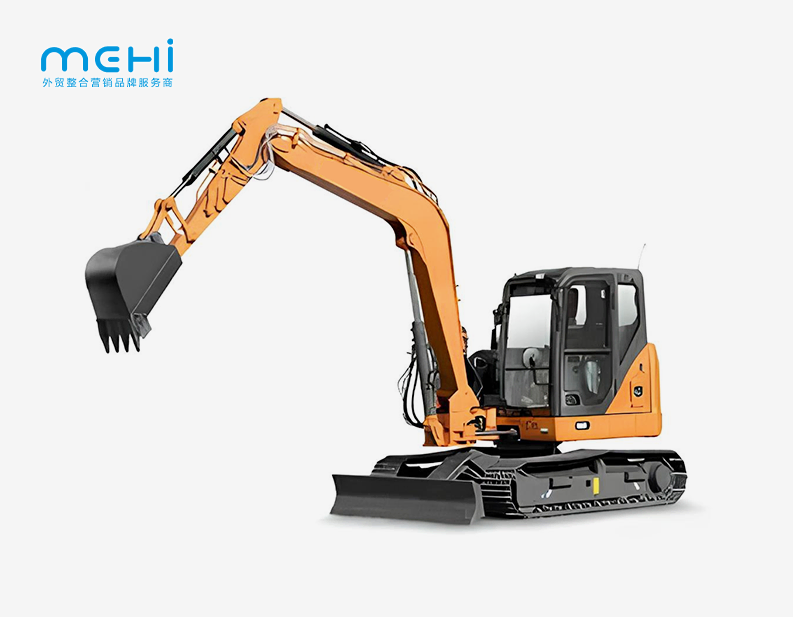
Taking care of your 2.5-ton excavator will help it last longer and work better on all kinds of job places. It's important that these small but strong tools like your 2.5-ton excavator last a long time so that they work well on farms, in buildings, and in cities. Fixing things in a planned way not only makes them last longer, but it also saves money by not having to buy new ones as often and cuts down on downtime that isn't needed. When you fix your small digger in a planned way, you make sure that it will work well in the short and long runs.
Understanding the Key Maintenance Challenges of 2.5 Ton Excavators
Operators and repair teams need to pay extra attention to the unique stresses that compact excavators face while they're working. Unlike bigger building machines, these ones pack a lot of power into a smaller frame. This means they wear out more quickly and need more upkeep.
Hydraulic System Vulnerabilities
The hydraulic system is the most important part of a small trencher. A lot of the time, working pressures above 3,000 PSI put constant stress on hydraulic seals, lines, and cylinders. This makes these parts wear out faster. Industry data shows that about 40% of mini tractors that need to be fixed without planning are fixed because the hydraulics break down. Keep the MK25U-9 mini excavator's fluids clean and its seals in good shape so it can keep working at its best at 2,500 kg running weight. This is because it has a hydraulic pilot valve control system.
Engine Component Stress Factors
Today's small tractors have advanced engine technologies, like Euro 5 powerplants that meet EPA pollution rules and are both efficient and clean. A Changchai 390 engine with 20 kW or a Kubota D1105 engine with 14.2 kW powers the MK25U-9. Each machine is made to do a small job. Because these engines are smaller, they run at higher RPMs, which makes things inside them, like pistons, rings, and valves, wear out faster. The engine will only run well if the oil is checked and the filters are changed on a regular basis.
Undercarriage Wear Patterns
Modern compact excavators often have zero-turn tail designs, which put extra stress on the track systems and chassis parts. Track chains, sprockets, and rollers wear out faster and more unevenly than they would in a bigger excavating machine when it works in tight areas and around tight turns.
Essential Maintenance Practices to Enhance Longevity
Daily Inspection Protocols
Small problems won't get worse and cost a lot to fix if you check your eyes every morning. At the bottom of the hydraulic tank, there should be just the right amount of fluid and trash. Also, these people need to look for signs of wear in the hydraulic lines. Because the MK25U-9 is small, it's simple to check keys. This is why daily checks are helpful and work well.
These are the most important parts of a daily check that will protect your money:
- Making sure the hydraulic fluid level is correct—Check how much is in the tank and look for any smoke or strange color changes that could mean something is wrong with the system.
- Check the amount of oil and water in the engine. Track the amount of oil in the car and look for leaks near the Euro 5 EPA-compliant engine.
- The track systems should be cleaned up, and the drive parts should be checked for broken pins or extra wear.
- Verification of attachment security: Make sure that tools are properly linked to the 0.06CBM bucket or other parts.
- Do a visual safety check to make sure the controls, alarms, and user area all work right.
These ways of checking make sure that everything works well and help find problems before they slow down work. It's much less likely that something will break down without warning if you pay attention to these details every day. It also makes things last longer in all major systems.
Weekly Lubrication Schedules
Parts work best and don't wear out too fast when they are oiled at the right times. If you want the MK25U-9's hydraulic pilot valve control system to work easily even when the load changes, you need to pay close attention to the places where you can grease them. It is recommended to oil the hinge points, boom cylinders, and track tensioning devices once a week.
Monthly Component Assessments
Monthly full reviews of the 2.5-ton excavator let us learn more about the system and fix parts before they break. By keeping an eye on the engine's performance, checking the hydraulic pressure, and checking the wheels' wear, you can get numbers that can help you plan repairs. When to repair parts and plan maintenance so it doesn't have to be done in an emergency are both things that these tests help you figure out.
Optimizing Operational Efficiency Through Scheduled Maintenance
Usage-Based Maintenance Intervals
Modern small excavators like the MK25U-9 can work at two speeds, which means that the wear patterns change based on the needs of the job. When you use high-speed travel for different reasons, the stress patterns are different than when you use precision digging at a maximum depth of 2,600mm. Changing repair plans based on how often something is used instead of set dates and times is better for both machine efficiency and maintenance costs.
Digital Maintenance Tracking
Modern repair management tools let you see how equipment is working and what services it needs in real time. Digital tracking lets workers keep an eye on the hours of operation, performance of the hydraulic system, and repair plans for parts on a number of machines. This method, which is based on data, helps buying teams figure out how much upkeep will cost and plan service tasks well.
Operator Training Impact
Well-trained workers have a big impact on the life of tools by using the right methods and finding problems early on. Training programs that teach the best ways to operate machines, how to handle loads, and basic repair skills can cut down on needless wear and tear and make machines more reliable overall. The money spent on training operators always pays off in the form of lower repair costs and longer component life.
Comparative Insights: 2.5 Ton Excavator Maintenance Versus Larger Models
Scale-Specific Maintenance Requirements
Not all parts of small tractors need to be checked as often, but it's easier to get to those that do. Because the engine is smaller and the parts are closer together, maintenance needs to be done at exact times, especially for the air filter and cooling system. But because a small form is easy to get to, the cost of staff for normal maintenance chores is often lower.
Component Replacement Economics
Parts for tiny excavators are usually less expensive than parts for bigger machines, but they may need to be replaced more often because they are used so much. The MK25U-9's parts are designed to be durable while also being light. To keep downtime to a minimum, smart parts stocking management is needed. When figuring out the total cost of ownership for different sizes of tools, procurement workers do better when they know about these trade-offs.
Attachment Impact Considerations
Because small tractors can accept a variety of tools, they need extra care during upkeep. For a 2.5-ton excavator, the normal 0.06 CBM bucket works within its design parameters, but certain additions may put more stress on the system and change how often it needs to be serviced. Knowing the specific upkeep needs of an addition helps keep parts from wearing out too quickly and keeps the guarantee valid.
Financing and Procurement Considerations for Long-Term Machine Care
Maintenance Support Evaluation
When evaluating compact excavator suppliers, consider the availability of local service support, parts inventory, and technical expertise. The complexity of modern hydraulic pilot valve systems and emission-compliant engines requires specialized knowledge for effective maintenance. Supplier capabilities in these areas directly impact equipment uptime and operational costs throughout the ownership period.
Lifecycle Cost Analysis
Total cost of ownership calculations must include realistic maintenance cost projections based on operational intensity and environmental factors. The MK25U-9's maximum digging height of 2,637mm and zero-turn capabilities enable high productivity, but intensive use accelerates wear on key components. Accurate lifecycle cost modeling helps justify maintenance investments and guides replacement timing decisions.
Procurement strategies that integrate maintenance planning with initial equipment selection deliver superior long-term value for a 2.5-ton excavator. Considering factors such as parts availability, service network coverage, and operator training support creates a comprehensive foundation for successful equipment ownership.
Conclusion
Effective maintenance practices transform compact excavator ownership from a reactive cost center into a strategic operational advantage. The systematic approaches outlined here protect equipment investments while maximizing productivity and minimizing unexpected downtime. Implementing structured maintenance protocols, understanding equipment-specific requirements, and partnering with reliable suppliers creates a foundation for long-term success in compact excavator operations.
FAQ
1. How often should I change hydraulic fluid in my compact excavator?
Hydraulic fluid replacement intervals depend on operating conditions and fluid quality monitoring results. Generally, hydraulic fluid should be changed every 1,000-2,000 operating hours, with more frequent changes required in dusty or high-temperature environments. Regular fluid analysis can optimize replacement timing and identify potential system issues before they cause damage.
2. What are the most common maintenance mistakes with mini excavators?
The most frequent maintenance errors include neglecting daily inspections, using incorrect fluid specifications, and ignoring early warning signs such as unusual noises or performance changes. Operators often underestimate the importance of keeping hydraulic systems clean and properly lubricated, leading to premature component failure and costly repairs.
3. How do attachments affect maintenance schedules?
Different attachments create varying stress levels on hydraulic systems and mechanical components. Breakers and other high-impact attachments increase maintenance frequency requirements, particularly for hydraulic seals and engine mounts. Always consult manufacturer guidelines when using specialized attachments to maintain warranty coverage and optimal performance.
Partner with Meihao for Superior Equipment Solutions
Meihao connects global buyers with premium Chinese manufacturers specializing in construction equipment and industrial solutions. Our platform provides access to high-quality 2.5 ton excavator suppliers while ensuring product compliance and reliability standards. Through our verified supplier network, procurement professionals can source mini excavators with confidence, knowing that quality and performance meet international standards. Contact our team at somyshare@gmail.com to explore excavator supplier options that align with your operational requirements and maintenance capabilities.
References
1. Construction Equipment Maintenance Best Practices: A Comprehensive Guide to Heavy Machinery Care, Industrial Equipment Publishers, 2023.
2. Hydraulic System Maintenance in Compact Construction Equipment, Journal of Construction Technology and Engineering, Volume 45, 2024.
3. Total Cost of Ownership Analysis for Mini Excavators: Procurement and Maintenance Strategies, Equipment Management Quarterly, Spring 2024.
4. Preventive Maintenance Protocols for Compact Earthmoving Equipment, American Society of Construction Engineers, 2023.
5. Engine Maintenance Requirements for Euro 5 EPA Compliant Construction Equipment, Environmental Compliance in Construction, Volume 12, 2024.
6. Undercarriage Maintenance and Wear Pattern Analysis in Compact Excavators, Heavy Equipment Maintenance Review, Issue 8, 2023.