- English
- French
- German
- Portuguese
- Spanish
- Russian
- Japanese
- Korean
- Arabic
- Greek
- German
- Turkish
- Italian
- Danish
- Romanian
- Indonesian
- Czech
- Afrikaans
- Swedish
- Polish
- Basque
- Catalan
- Esperanto
- Hindi
- Lao
- Albanian
- Amharic
- Armenian
- Azerbaijani
- Belarusian
- Bengali
- Bosnian
- Bulgarian
- Cebuano
- Chichewa
- Corsican
- Croatian
- Dutch
- Estonian
- Filipino
- Finnish
- Frisian
- Galician
- Georgian
- Gujarati
- Haitian
- Hausa
- Hawaiian
- Hebrew
- Hmong
- Hungarian
- Icelandic
- Igbo
- Javanese
- Kannada
- Kazakh
- Khmer
- Kurdish
- Kyrgyz
- Latin
- Latvian
- Lithuanian
- Luxembou..
- Macedonian
- Malagasy
- Malay
- Malayalam
- Maltese
- Maori
- Marathi
- Mongolian
- Burmese
- Nepali
- Norwegian
- Pashto
- Persian
- Punjabi
- Serbian
- Sesotho
- Sinhala
- Slovak
- Slovenian
- Somali
- Samoan
- Scots Gaelic
- Shona
- Sindhi
- Sundanese
- Swahili
- Tajik
- Tamil
- Telugu
- Thai
- Ukrainian
- Urdu
- Uzbek
- Vietnamese
- Welsh
- Xhosa
- Yiddish
- Yoruba
- Zulu
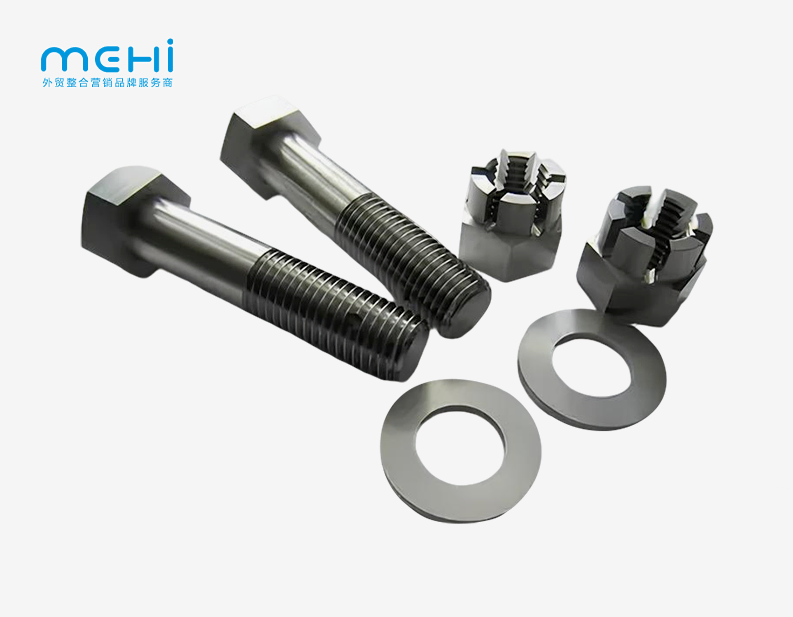
Nickel alloy fasteners make chemical handling equipment last a lot longer by being resistant to toxic chemicals, high temperatures, and mechanical stress like no other material. These special fastening parts, which are made from advanced metals like Inconel, Monel, and Hastelloy, keep equipment from breaking down too soon by keeping the structure strong where regular screws quickly break down. Their special makeup makes them work better in harsh operating settings like acidic, alkaline, and oxidizing ones. This directly addresses the tough problems chemical processors face every day, while also extending maintenance cycles and cutting down on costly unplanned downtime.
Understanding Nickel Alloy Fasteners and Their Core Properties
What Makes Nickel-Based Alloy Fasteners Exceptional?
Nickel alloy fasteners are a special type of industrial fastening option that was made to work in harsh circumstances. Unlike basic carbon steel or stainless steel options, these parts have a high nickel content (usually between 40% and 75%) and are also strategically mixed with chromium, molybdenum, copper, and other elements that give them unique metallurgical qualities.
The process of making these screws includes precise casting and hot-working methods that line up grain structures for the best strength. Heat treatment cycles carefully managed between 1800°F and 2150°F give the material the mechanical traits you want while keeping its shape. Specialized tools are needed for cold heading smaller diameter bolts and screws because nickel metals naturally strengthen when they are cold-headed.
Critical Performance Characteristics
Inconel metals, especially types 600, 625, and 718, are very resistant to oxidation at temperatures above 1200°F and still have tensile strengths of over 100,000 psi. Hydrofluoric acid and other harsh chemicals that quickly break down other materials are very hard for monel metals to fight. The protective oxide layer that forms on nickel metal surfaces keeps growing back. This self-healing rust protection greatly increases the service life compared to passive coating systems.
Following foreign rules like ASTM B160, ASTM B564, DIN 2.4816, and JIS H4551 makes sure that materials are consistent and can be tracked. Manufacturers must follow these rules, which spell out chemical composition limits, mechanical property standards, and testing methods. Shipments of quality fasteners come with material test certificates that show the results of mechanical and heat lot analyses. These certificates help buying teams make sure that the fasteners meet the requirements.
Challenges in Chemical Processing Equipment and How Nickel Alloy Fasteners Address Them?
The Harsh Reality of Chemical Processing Environments
In chemical processing plants, equipment is constantly put in situations that destroy normal binding systems. Attack mechanisms that quickly break down carbon steel and even 316 stainless steel parts are sulfuric acid amounts above 60%, caustic solutions at high temperatures, compounds that contain chlorine, and mixes of these acidic media. During working cycles, temperature changes between room temperature and 800°F cause differences in thermal expansion that make standard threaded connections loose and speed up the spread of fatigue cracks.
These problems are made worse by equipment that works under pressure. Closures for reactor vessels, heat exchanger flanges, and pipe joints must stay leak-tight even when bolt threads and bearing surfaces are corroded. In a critical application, one broken bolt can cause emergency shutdowns that cost hundreds of thousands of dollars in lost production, safety issues, or environmental leaks.
Performance Advantages That Solve Real Problems
Instead of depending on temporary coatings, nickel alloy fasteners solve these problems through the properties of the material itself. A dormant film of chromium-rich oxide forms naturally on Inconel surfaces. This film protects against pitting and crevice corrosion in chloride conditions, where austenitic stainless steels fail. When there are both oxidizing and reducing species in an acidic environment, Hastelloy C-276 screws keep their structural integrity.
Another important benefit is that it keeps its strength at high temperatures. Above 800°F, stainless steel bolts lose a lot of their strength. Inconel 718, on the other hand, keeps its usable tensile strength close to 150,000 psi at 1000°F. This feature keeps the clamp load on gasketed joints constant during temperature cycling and stops bolts from relaxing. Because some nickel metals have a low thermal expansion rate, they are a good match for materials used in process equipment. This means that there is less difference in movement, which is what causes gaskets to fail.
After switching important heat exchanger fasteners from 316 stainless steel to Inconel 625, a large petroleum plant saw a 73% drop in the number of repair visits. Regular seal failures that needed to be fixed every three months were no longer an issue because of the longer repair intervals. Another chemical company said that stress corrosion cracking failures in chloride service were completely eliminated after they chose Monel K-500 for the bolts on the pump case.
Comparing Nickel Alloy Fasteners with Alternative Materials
Performance Comparison with Stainless Steel
Austenitic stainless steels, such as types 304 and 316, work well in slightly corrosive situations but clearly don't hold up well against strong chemical attacks. When the temperature is high and the chlorine level is above 100 parts per million, stress corrosion cracking happens in these materials, which leads to quick brittle breakdowns. Nickel alloy fasteners with 40% or more nickel content don't break in this way because their mechanical structure is fundamentally different, not because they are slightly better.
Pitting resistance comparable numbers let you compare corrosion performance on a numeric level. Type 316L stainless steel gets scores between 24 and 26, while Inconel 625 gets scores above 50, which means it is much more resistant to limited rust. This directly means longer service life in process streams that contain chloride, salt spray, and marine settings.
Material Selection Considerations Beyond Titanium
Titanium screws have a high strength-to-weight ratio and are very resistant to corrosion in oxidizing acids. This makes them useful in aircraft and some chemical processes. Commercial pure titanium and Ti-6Al-4V metals don't crack when exposed to chloride stress corrosion, which happens a lot with stainless steels. On the other hand, titanium doesn't work well in reducing acids and can't handle temperatures above 600°F for long amounts of time without losing power.
A study of costs shows that nickel metals are usually 40–60% cheaper than titanium nails of the same type, and they are also more chemically compatible. Monel 400 is more resistant to hydrofluoric acid than titanium, which is easily damaged by it. Inconel metals keep their mechanical qualities even at high temperatures, where titanium oxidizes too quickly. When choosing a material, it's important to think about its exposure to things like pH, temperature, oxidizing vs. reducing chemistry, and mechanical loading patterns.
Instead of using general material ranks, engineers should look at data on rust rates that come from standard tests. Immersion testing according to ASTM G31 in real process fluids gives accurate predictions of performance. Electrochemical testing using ASTM G61 procedures measures how easily pitting can happen when a potential is introduced. This data-driven method gets rid of the need to guess and stops mistakes in material selection that cost a lot of money.
Procurement Considerations for Nickel Alloy Fasteners in B2B Chemical Markets
Evaluating Supplier Capabilities and Certifications
When looking for high-performance nickel alloy fasteners for chemical processing uses, you need to do more than just compare prices. You also need to carefully vet the suppliers. Manufacturing centers that can do vacuum melting make metals that are cleaner and have fewer impurities, which directly improves their resistance to wear and corrosion. Suppliers with more than one production line, like factories with eight production lines and more than one hundred precision tools, can handle both large quantities of standard goods and unique customer needs quickly and effectively.
When planning big turnarounds or new buildings, production ability is important. Large-scale needs can be met by manufacturers who can make 100,000 to 300,000 pieces at a time while keeping quality high. Sizes from M2.5 to M64 and unique lengths from 1 mm to 1990 mm make them suitable for a wide range of equipment setups. Meeting many foreign standards, like ASTM, DIN, JIS, BS, and GB/T, makes sure that the product works with technical requirements around the world.
Material certification paperwork, like mill test certificates and third-party SGS test results, makes sure that each production lot has the right chemical makeup and mechanical qualities. These papers make it possible to track chemicals used in pharmaceutical and food-grade processes, which is an important part of quality management systems and following the rules. Custom production services that offer non-standard shapes and tight tolerances of ±0.05mm can meet the needs of tools that aren't covered by standard lists.
Logistics and Commercial Terms
Delivery times vary from 10 to 25 days, based on the complexity and amount of the order. This means that planned repair outages need to be planned ahead of time. Lead time changes because processing nickel alloys is more complicated than processing common screws. For critical path applications, procurement teams should ask for firm delivery promises with penalties.
Different company buying policies and foreign trade needs can be met by offering flexible payment terms like T/T, L/C, PayPal, and Western Union. There are choices for letters of credit that protect big orders and set clear performance standards. If samples are available, engineers can check the fit and do a review before committing to production numbers. This lowers the risk of specification mismatches.
Options for treating the surface, such as sanding and anodizing, improve performance in some situations. Sandblasting gets rid of mill dust and makes the surface smooth so that coatings stick better. Anodizing makes an oxide layer that is thicker and harder. This layer makes the metal even more resistant to rust and protects it from wear in situations where it is put together and taken apart a lot.
Maximizing Value: How to Incorporate Nickel Alloy Fasteners into Your Equipment Maintenance Strategy?
Strategic Implementation Approaches
Instead of replacing all of your screws, switching from regular ones to nickel alloy fasteners needs to be done in a planned way. Engineers should figure out which uses are the most important and where a fastener failure could cause the most safety risks, environmental damage, or production losses. Premium bolt materials are usually needed for reactor vessel covers, emergency isolation valve bonnets, and pump seal housings because of how they affect other parts if they fail.
The best return on investment is seen in equipment that works in the harshest service circumstances, such as those with the highest temperatures, the most corrosive fluids, or the most mechanical stress. A staged change strategy takes care of the most dangerous applications first, while performance data is gathered to support rolling out the strategy to more applications. By keeping track of the failure history of current equipment, you can find exact spots where replacing fasteners makes a measured difference in reliability.
When planning maintenance, it's important to include check procedures that are made just for nickel alloy fasteners. When looking for corrosion-resistant goods, nickel metals usually don't show as much damage as stainless steel does, even after years of use. Thread gauging shows that rust hasn't shortened the effective contact length below what was planned. During regular checks, checking the torque makes sure that the thermal cycle hasn't loosened the joint preload below the levels needed for closing.
Total Cost of Ownership Analysis
Depending on the alloy chosen, the initial costs of buying nickel alloy screws are usually three to five times higher than those of stainless steel options. When looking at adoption through the lens of standard buying criteria that focus on component price, this upfront fee makes people less likely to adopt. Life cycle cost analysis figures out the real economic benefit by figuring out how much money is saved on upkeep costs, lost production, and longer renewal periods.
A chemical company that spends $15,000 on Inconel screws for a key heat exchanger instead of $3,000 on stainless steel ones is clearly under a lot of financial stress. If that equipment doesn't need to be fixed every year but every five years, it saves at least $80,000 in costs like scaffolds, labor, gasket replacement, and lost production during breaks. These high-quality screws save more than $60,000 and make operations more reliable.
Risk protection value is an extra factor that is often missed when buying things. When a catastrophic fastener fails and process fluid leaks out, it can cause fines from regulators, cleanup costs for the environment, and damage to the company's image that is much worse than any actual cost differences. Insurance actuaries are aware of this risk profile and sometimes change rates based on programs that have been shown to make tools reliable and include the right choice of materials.
Conclusion
Chemical manufacturing equipment is much more reliable with nickel alloy fasteners because they get around the basic material problems that cause regular fasteners to fail. Their high resistance to rust, ability to maintain strength at high temperatures, and long mechanical life directly fight the harsh conditions that normally break down fastening systems. A strategic application based on strict criteria for choosing materials, thorough supplier qualification, and life cycle cost analysis increases return on investment and lowers operating risks. Chemical makers that are dedicated to operational excellence know that high-quality fastening solutions are necessary infrastructure and not just nice-to-have updates. This is what is driving the industry-wide adoption of nickel alloy technologies.
FAQ
1. What nickel alloy grades work best for chemical processing fasteners?
When it comes to chemical compatibility, Inconel 625 and Hastelloy C-276 are the most flexible options. They can stand up to both oxidizing and reducing acids. Monel 400 works very well in both hydrofluoric acid and alkaline conditions. Inconel 718 is the strongest metal that can be used in high-temperature, high-pressure situations. Instead of depending on general suggestions, you should use specific rust data for your process chemistry to help you choose materials.
2. How do nickel alloy fasteners compare cost-wise to stainless steel?
Nickel alloy screws usually cost three to five times more to buy at first than 316 stainless steel versions. Life cycle analysis shows that long work lives (often 5–10 times longer in harsh settings) and not having to replace things as often save a lot of money. Even though they cost more up front, nickel alloys are often better in important uses because they have lower total ownership costs.
3. What certifications should I verify when sourcing these fasteners?
Ask for mill test certificates that list the chemical makeup and mechanical qualities of each batch of products. Independent validation comes from third-party proof from SGS or similar testing labs. Suppliers with ISO 9001 certification have quality control processes in place. Compliance with ASTM, ASME, or a similar standard makes sure that screws meet well-known engineering requirements.
Partner with Meihao for Reliable Nickel Alloy Fastener Sourcing
Meihao Supply Chain Company links chemical processing plants with verified nickel alloy fastener makers all over China. This makes it easier for you to get these important parts. Our platform is best at connecting foreign buyers with suppliers who have all the necessary licenses, can make things to order, and can deliver them on time for tough industrial uses. We carefully check the qualifications of manufacturers, such as whether they are in line with ISO 9001, their ability to test materials, and their production capacity, to make sure you only work with sellers who meet the standards of the aerospace and chemical industries.
We bring digital greatness to B2B buying as a Google Premier Partner for 2023 and 2024 and the winner of the 2024 Top Google Partner award in Greater China. Our platform helps you find approved Nickel Alloy Fastener providers that meet your exact needs, whether you need standard Inconel bolts or unique Hastelloy fasteners with tight tolerances. Talk to our team at somyshare@gmail.com about the fasteners you need, and we'll help you find makers with good prices, full material certification, and expert support.
References
1. Davis, J.R. (2000). Nickel, Cobalt, and Their Alloys. ASM International Materials Park, Ohio.
2. Sedriks, A.J. (1996). Corrosion of Stainless Steels: Second Edition. John Wiley & Sons, New York.
3. Rebak, R.B. (2005). "Corrosion of Non-ferrous Alloys in Sulfuric Acid." Corrosion Engineering Science and Technology, Vol. 40, No. 4, pp. 287-293.
4. ASTM International. (2019). ASTM B160-19: Standard Specification for Nickel Rod and Bar. West Conshohocken, Pennsylvania.
5. Mankins, W.L. and Lamb, S. (1990). "Nickel and Nickel Alloys." ASM Handbook Volume 2: Properties and Selection - Nonferrous Alloys and Special-Purpose Materials, pp. 428-445.
6. Schweitzer, P.A. (2010). Fundamentals of Corrosion: Mechanisms, Causes, and Preventative Methods. CRC Press, Boca Raton, Florida.