- English
- French
- German
- Portuguese
- Spanish
- Russian
- Japanese
- Korean
- Arabic
- Greek
- German
- Turkish
- Italian
- Danish
- Romanian
- Indonesian
- Czech
- Afrikaans
- Swedish
- Polish
- Basque
- Catalan
- Esperanto
- Hindi
- Lao
- Albanian
- Amharic
- Armenian
- Azerbaijani
- Belarusian
- Bengali
- Bosnian
- Bulgarian
- Cebuano
- Chichewa
- Corsican
- Croatian
- Dutch
- Estonian
- Filipino
- Finnish
- Frisian
- Galician
- Georgian
- Gujarati
- Haitian
- Hausa
- Hawaiian
- Hebrew
- Hmong
- Hungarian
- Icelandic
- Igbo
- Javanese
- Kannada
- Kazakh
- Khmer
- Kurdish
- Kyrgyz
- Latin
- Latvian
- Lithuanian
- Luxembou..
- Macedonian
- Malagasy
- Malay
- Malayalam
- Maltese
- Maori
- Marathi
- Mongolian
- Burmese
- Nepali
- Norwegian
- Pashto
- Persian
- Punjabi
- Serbian
- Sesotho
- Sinhala
- Slovak
- Slovenian
- Somali
- Samoan
- Scots Gaelic
- Shona
- Sindhi
- Sundanese
- Swahili
- Tajik
- Tamil
- Telugu
- Thai
- Ukrainian
- Urdu
- Uzbek
- Vietnamese
- Welsh
- Xhosa
- Yiddish
- Yoruba
- Zulu
When looking at natural ways to treat inflammation, yucca extract comes out as a flexible plant part with special biological features. This brown-yellow powder comes from the Yucca smalliana fern. It has strong saponins and tannins that affect inflammation pathways in a different way than turmeric or boswellia. According to research, the saponins in yucca work by lowering oxidative stress and stopping pro-inflammatory cytokines. This makes it especially good for relieving pain in the joints and skin inflammation. Standardized yucca powder at 30% or 60% saponin content gives uniform results across formulations, while some competitors need high amounts to work.
Introduction
Natural products that reduce inflammation have become important parts of the supply lines for both nutraceuticals and pharmaceuticals. More and more, procurement workers are under pressure to find plants that are both proven to work and safe for the supply chain and the environment. Knowing how various plant extracts work in business situations helps R&D directors and formulation managers make smart choices that make products stand out and meet customer standards for clean labels.
This in-depth study looks at yucca extract's place among natural anti-inflammatory substances and compares it with other plants based on evidence. We look at how biological processes work, how to buy them, quality standards, and real-world uses in a number of B2B areas. The ideas presented here deal with common problems like stable ingredients, consistent batches, and the need for legal paperwork that affects buying choices in global markets that are very competitive.
More and more people want green health options, which is reflected in the rising demand for plant-based active ingredients. For successful product creation, procurement teams must look at more than just how well the ingredients work. They must also look at the skills of the provider, the standards for certification, and how well the formulations work together. This book gives you useful guidelines for making smart choices about where to get things that meet both your technical needs and your goals for placing them in the market.
Understanding Yucca Extract and Its Anti-Inflammatory Properties
Botanical Origins and Active Compounds
The Yucca smalliana fern plant as a whole contains bioactive chemicals that have been extracted through special extraction methods. Saponins are the main active ingredients, and market specifications range from 30% to 60%, based on the needs of the product. There are two types of molecules called "amphiphilic" and "lipophilic." These molecules can interact with cell membranes and cellular processes in ways that help with anti-inflammatory reactions.
Additionally, polyphenolic compounds found in yucca provide extra antioxidant benefits that work with saponin action. When tested using UV methods, high-quality extracts show uniform marker compound profiles. For example, Yucca Extract B50 has concentrations of 4 to 8 mg, which have been confirmed by full test data processing. This molecular complexity gives yucca extract more than one way to work as an anti-inflammatory, setting it apart from ingredients that only work in one way.
Mechanisms of Anti-Inflammatory Action
Yucca extract contains yucca saponins, which change inflammatory reactions in a number of ways that are all linked. Studies in humans show that these chemicals lower the production of inflammation molecules like prostaglandins and leukotrienes. This process is different from COX-2 inhibitors found in other plants, so they can be used together or separately to make more complete anti-inflammatory products.
The antioxidant power of yucca polyphenols helps with reactive stress, which is often a part of long-term inflammation. These chemicals help stop cell damage caused by free radicals that keep inflammatory processes going by eliminating them. Because it works on both inflammatory mediators and oxidative causes, yucca is very useful in formulas that aim to improve joint health, skin conditions, and the control of systemic inflammation.
Industrial Dosage and Safety Considerations
Standardized yucca powder makes it possible to do exact dosing estimates, which are needed for mass production. Products that are approved by ISO9001:2015, ISO22000, Halal, Kosher, HACCP, and FAMI-QS standards come with the paperwork needed to follow the rules in different foreign markets. Concerns about quality control that buying teams say are important when choosing suppliers are addressed by these licenses.
The safety profiles for yucca extracts show that they are well-tolerated at the suggested dose levels. Because free trials are available, formulation scientists can test the stability of new products before placing large orders. This way of reducing risk helps make sure that the new product will work with current product matrices and manufacturing methods.
Comparing Yucca Extract with Other Popular Natural Anti-Inflammatory Supplements
Chemical Composition Analysis
Different plant extracts have different sets of active compounds that affect both how well they work and what kinds of uses they are best for. Curcuminoids in turmeric have strong anti-inflammatory benefits, but they are not easily absorbed by the body, so they need special delivery methods. Boswellia serrata has acids called boswellic acids that work on 5-lipoxygenase pathways. Gingerols, on the other hand, use thermal and circulatory processes to do their job.
The high amount of saponins in yucca extract leaves many preparation options open. Because saponins are amphiphilic, they help ingredients mix better in both water- and oil-based systems. This makes the production process easier than it is for lipophilic curcuminoids. This chemical's variety makes it useful for making nutritional supplements, functional drinks, topical cosmetics, and animal goods, all of which can be hard to make with other plants.
Efficacy Comparison Across Applications
Glucosamine and chondroitin are structural supplements that help keep cartilage healthy. They are not anti-inflammatory drugs in and of themselves. When you mix these with yucca, you get synergistic formulations that help with both joint structure and inflammatory reactions. This makes them appealing to sports nutrition companies that want to make joint health solutions that work for everyone.
Yucca has many benefits for joint health because it helps with inflammation and reactive stress in many ways. Glucosamine helps cartilage grow over a longer period of time, but yucca's anti-inflammatory effects provide more instant comfort benefits that make customers happier with the product. Because these two things happen at different times, formulators can give both short-term help and long-term structure support.
Yucca has anti-inflammatory and antioxidant qualities that are used in skin care products. Yucca has anti-aging properties that go beyond aloe vera's main healing effect. It does this by neutralizing free radicals. More and more, natural cosmetic businesses are looking for plant-based ingredients that can do more than one thing. Yucca's compound profile is a good fit for quality product marketing.
Veterinary nutrition represents a growing market where yucca demonstrates advantages over synthetic anti-inflammatory options. Animal health products emphasizing natural ingredients benefit from yucca's safety profile and palatability in feed applications, particularly for equine and companion animal supplements targeting joint comfort and digestive health.
Quality Control Factors
To tell the difference between high-quality plant extracts, you need to look at the paperwork for standardization, testing, and licensing. When yucca goods are checked using UV methods, they provide repeatable marker compound verification that is needed for consistency from batch to batch. Concerns raised by formulation managers about variable ingredients that might affect product performance and regulatory compliance are addressed by this level of analysis thoroughness.
Specifications that can be changed, like 30%, 60%, or custom amounts, let buying teams meet unique formulation needs while also saving money. Lower concentration extracts work well when yucca is one of many ingredients in a mixture, while higher potency choices allow for more precise doses in products with only one ingredient or delivery forms that need to save space, like capsules.
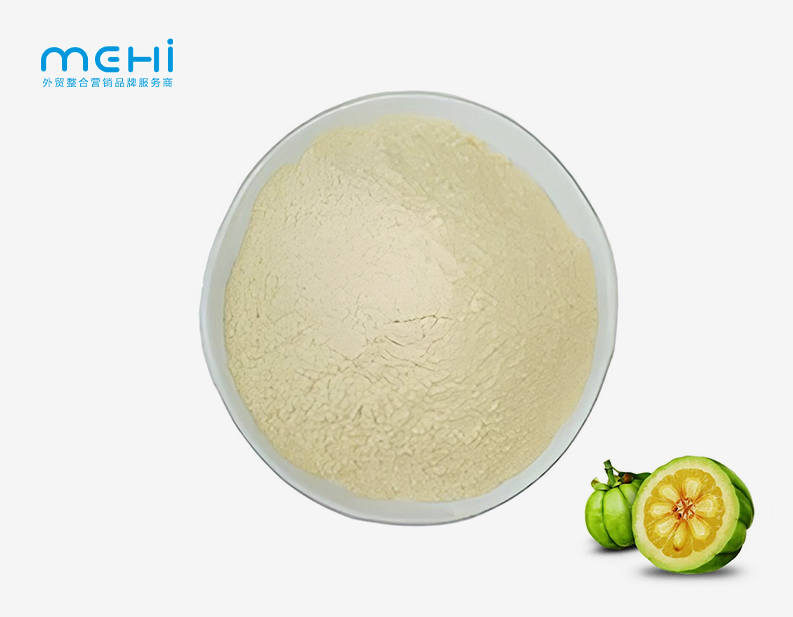
The powder's brown-yellow color shows that it was processed correctly, which keeps the active ingredients, including yucca extract, and produces the particle sizes that are needed for different industrial processes. The way something flows, how evenly it mixes, and how it looks in the end are all affected by its physical properties. This means that appearance standards are important for more than just how something looks.
Procurement Insights: Choosing the Right Yucca Extract Product for Your Business
Evaluating Product Forms and Specifications
Powder types of yucca extract are most common in the market because they can be used in a lot of different ways, like in supplements, useful foods, and cosmetics. The dry powder shape makes keeping track of goods easier, extends the shelf life, and gives you more options for mixing liquid products. Knowing the amount of moisture, the bulk density, and the spread of particle sizes can help you guess how ingredients will work in certain production tools and formulation patterns.
Customization choices meet a wide range of application needs that may not be fully met by standard specs. Pharmaceutical companies that need pharma-grade purity can ask for more testing factors, while food companies focus on food-grade safety certifications. Because of this, connections with suppliers are useful for making new goods that go beyond the limits of normal formulation.
Certification and Compliance Verification
Both effectiveness and legal compliance are directly affected by the amount of purity. Having full test data available lets QA/QC teams make sure that new ingredients meet certain standards before they go into production lines. It is especially important to have this paperwork when sending finished goods to places like the US and EU that have strict rules about plant ingredients.
Full certification files show that suppliers are dedicated to quality systems that help keep partnerships reliable over time. Both ISO9001:2015 and ISO22000 are important for items that are going to be used by people. ISO 9001:2015 is about general quality management, and ISO 22000 is about food safety management systems. Halal and Kosher approvals help businesses reach more customers by meeting the dietary needs of faith groups.
HACCP licensing gives hazard analysis models that stop contamination risks during production, which eases the worries of buying teams about the safety of ingredients. FAMI-QS approval is only for companies that supply feed ingredients. This is important for yucca that will be used in veterinary and animal nutrition uses. These licenses work together to make multiple layers of quality assurance that lower the risks in the supply chain.
Supplier Relationship Considerations
Knowing the reach of a license helps people who buy things figure out if a supplier's skills match the needs of a certain product. Global ingredient wholesalers that serve many markets do better when they work with makers that keep a variety of certifications on file. This way, they can meet the needs of different regional regulatory bodies without having to deal with multiple suppliers.
To build trusting relationships with suppliers, you need to look at their technical help skills that go beyond just delivering products. Suppliers who give advice on formulation, help with stability testing, and help with regulatory paperwork add value that makes it worth investing in the relationship. When making new applications or joining new market categories where internal knowledge may be restricted, these services become very important.
Inventory management techniques and cash flow planning are affected by minimum order amounts. To find the best balance between bulk buying savings, storing costs, and product shelf life, it's important to be clear about how often and how much you usually order. Clear pricing that takes into account changes in the market price of raw materials helps with budgeting and avoids surprising costs for buying things.
Private marking and OEM support services give brands that want full solutions more value from their suppliers. Product development timelines are shortened when manufacturers can change specs, provide finished dosage forms, and handle regulatory applications. This all-inclusive service model works well for new brands that don't have a lot of technical support in-house.
Practical Applications and Case Studies in B2B Sectors
Nutraceutical Formulation Success Stories
Companies that make sports nutrition use yucca extract in recipes for healing after a workout that contain anti-inflammatory plants, protein, and amino acids. The antioxidant qualities of yucca and the muscle-recovery benefits of branched-chain amino acids work together to make complete recovery solutions that set goods apart in competitive markets. Respondents say that formulation strategies work better than single-ingredient methods, which leads to return purchases that prove the strategies' effectiveness.
Functional supplement brands that are aimed at older people mix yucca with glucosamine and MSM to make joint health products. Clinical feedback studies show that approaches using more than one ingredient get higher happiness scores than approaches using only one active ingredient. This supports strategies that charge higher prices. The clean-label appeal of plant ingredients supports marketing stories about natural healing that appeal to people who care about their health.
Cosmetic and Personal Care Applications
Natural skincare brands use yucca extract in repair and anti-aging creams that focus on plant active ingredients. Formulation scientists say that yucca's antioxidant profile works well with other plant-based actives like vitamin C and green tea extract, and there are no stability issues that usually happen when you mix several unstable chemicals. This flexibility makes it easier to make new formulas and supports broad anti-aging claims with the known benefits of each ingredient.
OEM cosmetics companies use yucca to make formulas that are healing for people with sensitive skin. The anti-inflammatory properties help with redness and itching, and the antioxidant qualities help the skin's barrier function. These two benefits are in line with the growing demand for beauty products that can do more than one thing and make routines easier without sacrificing results.
Conclusion
Business-to-business buyers of yucca extract can get a lot out of it when they are making natural anti-inflammatory goods for the food, cosmetics, pharmaceutical, and nutrition industries. Its special saponin-rich profile gives it multiple ways to work that work with other plant ingredients and give formulators more options for different delivery forms. Concerns about quality consistency can be eased by offering standard specs, thorough certifications, and customization choices. This is important for keeping a brand's identity in competitive markets. As the need for natural ingredients with clean labels keeps rising, it becomes more important to have smart buying relationships with dependable sources in order to get high-quality botanical extracts that meet both technical performance requirements and legal compliance standards.
FAQ
1. Is long-term yucca extract use considered safe?
Based on research, yucca extract is generally safe when used in the suggested amounts for long periods of time. Studies that followed people who took supplements for a long time found that they had few side effects, mostly mild stomach problems in sensitive people once in a while. The long history of traditional use, along with current safety assessments, gives people faith in its continued use.
2. How do dosages differ between powder and liquid yucca extract forms?
Powder extracts that are standardized to certain percentages of saponin make it possible to calculate exact doses based on the amount of active ingredient present rather than the total weight of the material. Different manufacturers use different dilution ratios, so it's important to check the strength of liquid samples. To make sure stability across different physical forms, procurement specs should talk about marker compound concentrations instead of material volume.
3. What key factors should guide selection among natural anti-inflammatory supplements?
Decision frameworks should put the needs of the target application at the top of the list. This includes the desired mechanisms of action, formulation compatibility, the regulatory state in the target markets, and the desires of the end users. Cost-effectiveness is best achieved by balancing budget concerns with proof of success and high-quality documents. The long-term success of a relationship depends on the supplier's professional help, certification portfolios, and dependability.
Source Premium Yucca Extract Through Trusted Connections
Your key gateway to verified Chinese makers who specialize in high-purity plant extracts is Meihao. Our platform links foreign buying teams with providers who have a wide range of certifications, such as ISO9001:2015, ISO22000, Halal, Kosher, HACCP, and FAMI-QS. As a Google Premier Partner that was recognized for success in 2023 and 2024 and won the 2024 Top Google Partner award in Greater China, we have strict source verification standards that ensure the quality of our products and that we follow all the rules.
When procurement workers use our network, they get more benefits than just finding ingredients. We help you get in touch directly with makers of yucca extract who can give you customized specifications ranging from 30% to 60% saponin content, full test data paperwork, and free samples for you to try out first. This straight link model gets rid of markups for middlemen and makes the whole sourcing process clear. Our platform makes it easier to find suppliers and build relationships with them, whether you need bulk yucca extract powder for nutraceutical products or specific grades for beauty uses. Please email our team at somyshare@gmail.com to find out how verified yucca extract providers can help you reach your product development goals by offering low prices and a dependable supply chain.
References
1. Anderson, J.W., Nicolosi, R.J., Borzelleca, J.F. (2005). "Saponin-containing extracts of yucca: biochemical characterization and safety evaluation." Journal of Agricultural and Food Chemistry, 53(5), 908-914.
2. Cheeke, P.R. (2000). "Actual and potential applications of Yucca schidigera and Quillaja saponaria saponins in human and animal nutrition." Proceedings of the American Society of Animal Science, 1999.
3. Patel, S. (2012). "Yucca: a medicinally significant genus with manifold therapeutic attributes." Natural Products and Bioprospecting, 2(6), 231-234.
4. Oleszek, W., Sitek, M., Stochmal, A. (2001). "Structural characterization of saponins from Yucca schidigera bark." Phytochemistry, 58(8), 1057-1067.
5. Wallace, R.J., Arthaud, L., Newbold, C.J. (1994). "Influence of Yucca shidigera extract on ruminal ammonia concentrations and ruminal microorganisms." Applied and Environmental Microbiology, 60(6), 1762-1767.
6. Miyakoshi, M., Tamura, Y., Masuda, H. (2000). "Anti-inflammatory evaluation of Yucca shidigera extract in adjuvant-induced arthritic rats." Phytotherapy Research, 14(5), 362-365.