- English
- French
- German
- Portuguese
- Spanish
- Russian
- Japanese
- Korean
- Arabic
- Greek
- German
- Turkish
- Italian
- Danish
- Romanian
- Indonesian
- Czech
- Afrikaans
- Swedish
- Polish
- Basque
- Catalan
- Esperanto
- Hindi
- Lao
- Albanian
- Amharic
- Armenian
- Azerbaijani
- Belarusian
- Bengali
- Bosnian
- Bulgarian
- Cebuano
- Chichewa
- Corsican
- Croatian
- Dutch
- Estonian
- Filipino
- Finnish
- Frisian
- Galician
- Georgian
- Gujarati
- Haitian
- Hausa
- Hawaiian
- Hebrew
- Hmong
- Hungarian
- Icelandic
- Igbo
- Javanese
- Kannada
- Kazakh
- Khmer
- Kurdish
- Kyrgyz
- Latin
- Latvian
- Lithuanian
- Luxembou..
- Macedonian
- Malagasy
- Malay
- Malayalam
- Maltese
- Maori
- Marathi
- Mongolian
- Burmese
- Nepali
- Norwegian
- Pashto
- Persian
- Punjabi
- Serbian
- Sesotho
- Sinhala
- Slovak
- Slovenian
- Somali
- Samoan
- Scots Gaelic
- Shona
- Sindhi
- Sundanese
- Swahili
- Tajik
- Tamil
- Telugu
- Thai
- Ukrainian
- Urdu
- Uzbek
- Vietnamese
- Welsh
- Xhosa
- Yiddish
- Yoruba
- Zulu
Knowing both how well and how safely plants work is very important when looking for them to use in nutritional products. Garcinia Cambogia Extract Powder, which comes from the rind of the Garcinia oblongifolia fruit, has become popular as an ingredient that is high in hydroxycitric acid (HCA). This natural extract has a lot of promise for use in weight loss goods, supplements that help the metabolism, and useful drinks. To successfully add this ingredient to their product lines while protecting consumers and following the rules, B2B buyers need to think about dose, quality standards, and compliance standards.
Understanding Garcinia Cambogia Extract Powder and Its Health Benefits
The plant material that this extract comes from is a tropical fruit that grows in Southeast Asia. The rind has a lot of hydroxycitric acid (HCA), a chemical that has gotten a lot of study attention because of how it affects metabolism.
What Makes This Extract Valuable for Product Formulation?
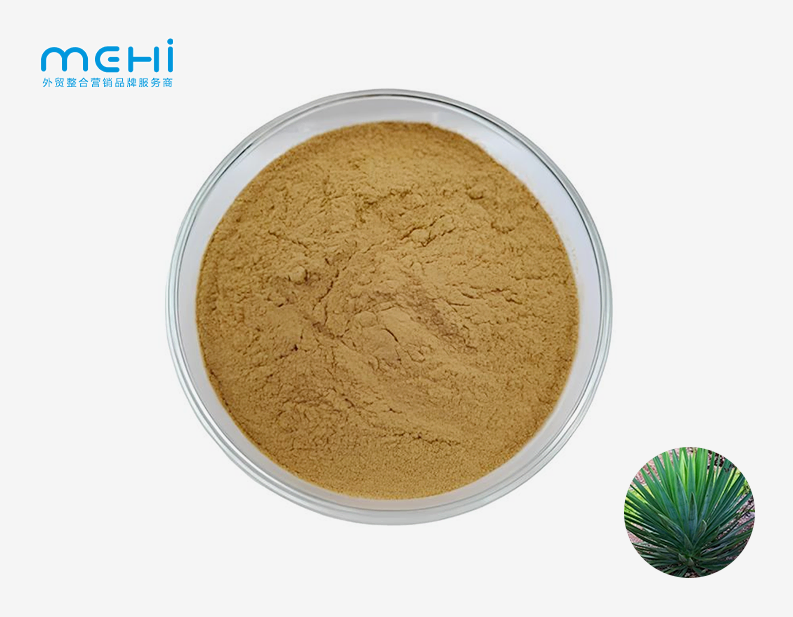
Manufacturers like this ingredient because it comes from a single plant source that has many useful functions. The extract usually looks like a fine, light yellow powder that dissolves completely in water. This makes it useful in a wide range of product forms. The usual mix of 10% hydroxycitric acid (HCA) and 10% calcium ensures uniform strength, which makes the formulation more predictable. This profile has two parts that work together to help release the active ingredient and make it more bioavailable by binding calcium.
For quality buying, you need to pay attention to how to identify plants. This species is different from other Garcinia types because it has the Latin name Garcinia oblongifolia. The CAS number 90045-23-1 is an exact way to identify chemicals for use in regulatory paperwork. Using HPLC testing methods ensures that the strength is checked correctly, which is very important for R&D teams that are making standard goods.
Core Health Benefits Backed by Research
Citrate lyase is an enzyme that helps turn carbs into fat stores. Hydroxycitric Acid (HCA) works by blocking it. In more than one way, this system benefits metabolic health. According to weight management product claims, research shows that it might help control your hunger. The substance might change serotonin levels, which help people control their caloric intake by sending signals when they are full.
In addition to helping with weight loss, early studies show that it may also help with fat regulation. Some studies suggest that healthy cholesterol levels might be supported, but product makers should look at the most recent clinical evidence before making decisions about formulation. Fruit-derived extracts have antioxidant qualities that make them useful for health-related goods in other ways.
Because of these qualities, the extract can be added to health products, useful foods, and nutrition supplements. The two-year shelf life helps bulk sellers keep track of their inventory, and the different packing choices, from 1–5 kg metal foil bags to 25 kg drums, work for a range of production sizes.
Recommended Dosage and Usage Guidelines
To figure out the right amount of use, you need to know both the specifics of the item and how it will be used. Advice on the dosage of Garcinia Cambogia extract powder changes depending on the form of the product and the health claims it aims to make.
Standard Dosage Ranges for Product Development
Most clinical studies look at daily doses between 500 mg and 2,800 mg, with 1,500 mg to 2,000 mg spread out over several meals being the most common. Formulators must figure out the total amount of hydroxycitric acid (HCA) delivered based on the amount of extract when working with a 10% hydroxycitric acid (HCA) standard. There are 150 mg of active hydroxycitric acid (HCA) in every 1,500 mg of 10% hydroxycitric acid (HCA) extract.
When making supplement routines, people who make products should think about when and how often to use Garcinia Cambogia Extract Powder. The daily amount is often split into two or three pieces, which are taken 30 to 60 minutes before meals. The time of this meal fits with how the ingredient works to control metabolism and hunger.
Lower amounts, usually between 250 mg and 500 mg per dose, may be okay for functional drinks and foods that have been fortified. Most of the time, these formats are more focused on daily health support than intense weight loss plans. This extract is completely soluble in water, which makes it easy to use in liquid applications without any problems with sedimentation.
Factors Influencing Optimal Usage Levels
Several things besides the basic hydroxycitric acid (HCA) level affect how much to take. Characteristics of the target population are very important. Higher amounts may be used in sports nutrition formulas for goods made for athletes, while moderate levels are usually used in general health products. Formulators also have to think about how different ingredients will react with each other, especially when mixing several metabolic support compounds.
The number of doses that are allowed is set by area laws. In places like North America, Europe, and Australia, there are strict rules about how much of a plant product is allowed. The procurement teams should make sure that the dosage amounts they choose meet the needs of the target market. Certifications like ISO9001, HALAL, KOSHER, cGMP, ISO22000, FSSC22000, and HACCP show that the products are made in a way that meets legal standards.
For dosing methods to work, batch uniformity is very important. Working with suppliers who have strict quality control makes sure that every production lot has the right amount of 10% hydroxycitric acid (HCA). This gets rid of any recipe differences that might affect how well the product works or how safe it is for consumers.
Safety Profile and Potential Side Effects
Learning about the safety features of any plant-based material is the first step in making environmentally friendly products. This Garcinia Cambogia Extract Powder has been studied a lot, giving us a lot of information about how well it works.
General Safety Considerations
According to research, extracts that contain hydroxycitric acid (HCA) are well tolerated at the amounts that are suggested for use. Most studies on humans report few to no side effects as long as subjects follow set dosage guidelines. Because of its safety rating, the ingredient can be used in common supplements for health-conscious people.
The extract's natural origin and ability to dissolve in water help make its interaction profile usually mild. Botanical products often work well with the body's natural biological processes, unlike some man-made chemicals. Adding calcium (10% Ca) to the standard may make it easier for people to handle compared to pure hydroxycitric acid (HCA) versions.
Quality buying has a big effect on how safe things turn out. B2B buyers need to know that extracts made under GMP conditions and that have been thoroughly tested for contaminants, heavy metals, and bacterial purity are safe. Food safety (ISO22000, FSSC22000, HACCP), quality control (ISO9001), and religious dietary compliance (HALAL, KOSHER) are just some of the many certifications that show how carefully the products are made to reduce the risk of contamination.
Potential Mild Effects and Risk Mitigation
Some people may have stomach problems, especially when they first start using the element. A small number of users report mild gastrointestinal effects like sickness or digestive pain, which usually go away as the body gets used to it. Formulation strategies can handle this worry by using slow introduction plans or mixing the extract with ingredients that help the digestive system.
Headaches are another problem that is sometimes mentioned, but clinical studies show that they don't happen very often. Product designers can ease people's worries by making serving sizes and usage directions very clear. Giving advice on how to take the vitamin while staying hydrated helps with optimal tolerance.
There are some groups that need extra care. Women who are pregnant or nursing shouldn't take supplements, including Garcinia Cambogia Extract Powder, because there isn't enough safety information for these groups. People with diabetes should talk to their doctors because the ingredient (such as Garcinia Cambogia Extract Powder) may change how blood sugar is processed. People who take drugs to control their mood should be careful because some of them, including Garcinia Cambogia Extract Powder, might combine with serotonin.
Professionals in procurement play a key part in making sure of safety by choosing suppliers with clear testing methods. Asking for Certificates of Analysis (COA) for each batch makes sure the product meets the requirements and goes through safety checks. Third-party testing adds to the proof that quality assurance systems are working well by checking them more thoroughly.
Comparing Garcinia Cambogia Extract Powder with Other Forms and Competitors
There are a lot of different ways to give plants that contain hydroxycitric acid (HCA) on the ingredient market. Procurement teams can make better strategic sourcing choices when they understand the comparative benefits of Garcinia Cambogia Extract Powder.
Powder Versus Capsule Format Considerations
Pure powder forms give you the most options for how to make the mix. Supplements, pills, soft gels, functional drinks, protein powders, and energy bars can all have this item added to them. This flexibility helps brands stand out by letting them use different transport methods that fit the tastes of their customers. The basic color and light yellow look make it easy for different types of products to look and feel good together.
For middle to large production runs, powder buying is the most cost-effective option. When you buy powder in bulk, you don't have to pay the markup that comes with pre-encapsulated goods, and makers can still control the secondary processing. The different package choices, such as 25 kg drums for large-scale production, help with cost-effective scaling.
When you source powder, quality control is easier to do. Manufacturers can check the strength and microbial levels of arriving raw materials on their own, making sure they meet their own standards before being used in finished goods. This amount of control is especially helpful for brands that stress clean-label honesty.
Comparative Analysis with Alternative Botanical Extracts
There are many plants in the functional ingredient world that work to improve health in similar ways. Green coffee bean extract, which is high in chlorogenic acid, helps the metabolism and acts as an antioxidant in different ways. Raspberry ketone contains aromatic ketone molecules that have been linked to fat burning in some studies. Different enzyme routes are used by white kidney bean extract to stop the intake of carbohydrates.
Depending on the product, each plant has its own unique benefits. The main thing that sets Garcinia Cambogia Extract Powder apart is the way its Hydroxycitric Acid (HCA) works and the large amount of studies that has been done on this compound. The calcium-bound structure in quality standards makes the extract more stable and bioavailable than some other extracts on the market.
Formulators are putting together mixes of plants that work well together more and more. Garcinia Cambogia extract powder works well with green tea extract to help with antioxidants, chromium to help keep blood sugar levels steady, or fiber ingredients to help you feel full. With these mixed tactics, brands can come up with their own unique formulas that make them stand out in crowded markets.
Conclusion
Garcinia cambogia extract powder is a plant ingredient that has been studied a lot and has been used for a long time in nutraceutical, functional food, and fitness products. The normal 10% hydroxycitric acid (HCA) specification from the Garcinia oblongifolia fruit gives consistency in formulations, which is important for product creation. Dosage suggestions of 500 mg to 2,800 mg per day give you options for how to position your products, and the ingredient's good safety rating supports its use in everyday products. To be successful in procurement, you need to choose certified sellers with clear testing methods and complete quality systems. Compared to pre-encapsulated options, the powder format is more cost-effective and gives you more options for how to make the product. This is especially helpful for brands that are making their own delivery systems or combination recipes. Strategic sourcing from makers with ISO, GMP, and food safety certifications makes sure that you follow the rules in a wide range of foreign markets and protects the identity of your brand through quality assurance.
FAQ
1. What is the safest daily dosage of HCA for weight management formulations?
Researchers say that taking between 1,500 mg and 2,800 mg of Garcinia Cambogia Extract Powder with 10% Hydroxycitric Acid (HCA) every day, spread out over two to three doses, is a good idea. This equals 150 to 280 mg of real hydroxycitric acid (HCA) every day. Doses in this range were used in most studies that showed benefits without major side effects. When making final quantity suggestions, product makers should think about the people they want to reach and how long they want to use the product for.
2. How can manufacturers verify supplier quality for botanical extracts?
Quality assurance needs more than one step of proof. Ask for up-to-date Certificates of Analysis that show HPLC testing for strength, heavy metal screening, chemical analysis, and microbial testing. Check standards like GMP, ISO22000, and HACCP by having someone else do it. Look over the statistics on shelf life and the documentation on stability tests. Before making big purchases, sending samples to independent third-party laboratories for testing gives you more peace of mind.
3. What are the primary advantages of the powder format versus capsules?
The powder form gives you more control over how you make the product, so you can use it in a lot of different types of products, like drinks, bars, and unique capsules. When you buy in bulk without adding a fee for packaging, you save money. When producers test and handle their own products, quality control is more direct. The fact that quality standards are 100% water-soluble makes liquid uses possible that weren't possible with capsule forms.
Partner with Meihao for Quality Garcinia Cambogia Extract Powder Sourcing
Meihao Supply Chain Company links buyers from other countries with licensed Chinese companies that make high-quality plant products. On our site, you can find verified sellers of Garcinia Cambogia Extract Powder who meet strict quality standards like ISO9001, cGMP, HALAL, KOSHER, and many other food safety certifications. Our network gives you safe access to standardized extracts with full paperwork support, whether you need small batches for product development or large amounts for commercial production. Email us at somyshare@gmail.com to talk about your buying needs or to get full source details and prices for this ingredient.
References
1. Semwal, R.B., Semwal, D.K., Vermaak, I., & Viljoen, A. (2015). "A comprehensive scientific overview of Garcinia cambogia." Fitoterapia, 102, 134-148.
2. Onakpoya, I., Hung, S.K., Perry, R., Wider, B., & Ernst, E. (2011). "The Use of Garcinia Extract (Hydroxycitric Acid) as a Weight loss Supplement: A Systematic Review and Meta-Analysis of Randomised Clinical Trials." Journal of Obesity, 2011, Article ID 509038.
3. Chuah, L.O., Yeap, S.K., Ho, W.Y., Beh, B.K., & Alitheen, N.B. (2013). "In vitro and in vivo toxicity of garcinia or hydroxycitric acid: A review." Evidence-Based Complementary and Alternative Medicine, 2013, Article ID 197454.
4. Márquez, F., Babio, N., Bulló, M., & Salas-Salvadó, J. (2012). "Evaluation of the safety and efficacy of hydroxycitric acid or Garcinia cambogia extracts in humans." Critical Reviews in Food Science and Nutrition, 52(7), 585-594.
5. Preuss, H.G., Bagchi, D., Bagchi, M., Rao, C.V., Dey, D.K., & Satyanarayana, S. (2004). "Effects of a natural extract of (-)-hydroxycitric acid (HCA-SX) and a combination of HCA-SX plus niacin-bound chromium and Gymnema sylvestre extract on weight loss." Diabetes, Obesity and Metabolism, 6(3), 171-180.
6. Heymsfield, S.B., Allison, D.B., Vasselli, J.R., Pietrobelli, A., Greenfield, D., & Nunez, C. (1998). "Garcinia cambogia (hydroxycitric acid) as a potential antiobesity agent: a randomized controlled trial." Journal of the American Medical Association, 280(18), 1596-1600.