- English
- French
- German
- Portuguese
- Spanish
- Russian
- Japanese
- Korean
- Arabic
- Greek
- German
- Turkish
- Italian
- Danish
- Romanian
- Indonesian
- Czech
- Afrikaans
- Swedish
- Polish
- Basque
- Catalan
- Esperanto
- Hindi
- Lao
- Albanian
- Amharic
- Armenian
- Azerbaijani
- Belarusian
- Bengali
- Bosnian
- Bulgarian
- Cebuano
- Chichewa
- Corsican
- Croatian
- Dutch
- Estonian
- Filipino
- Finnish
- Frisian
- Galician
- Georgian
- Gujarati
- Haitian
- Hausa
- Hawaiian
- Hebrew
- Hmong
- Hungarian
- Icelandic
- Igbo
- Javanese
- Kannada
- Kazakh
- Khmer
- Kurdish
- Kyrgyz
- Latin
- Latvian
- Lithuanian
- Luxembou..
- Macedonian
- Malagasy
- Malay
- Malayalam
- Maltese
- Maori
- Marathi
- Mongolian
- Burmese
- Nepali
- Norwegian
- Pashto
- Persian
- Punjabi
- Serbian
- Sesotho
- Sinhala
- Slovak
- Slovenian
- Somali
- Samoan
- Scots Gaelic
- Shona
- Sindhi
- Sundanese
- Swahili
- Tajik
- Tamil
- Telugu
- Thai
- Ukrainian
- Urdu
- Uzbek
- Vietnamese
- Welsh
- Xhosa
- Yiddish
- Yoruba
- Zulu
When professionals are looking for the best new mini excavator for gardening in 2026, they need something that is both small and strong. Today's modern compact excavators have improved hydraulic systems, engines that use less fuel, and a wide range of attachments that can be used with them. This means that they can handle a wide range of gardening tasks, from home grading to business hardscaping. This development can be seen in models like the MK13, which offer precise controls and reliable power in surprisingly light packages that can get through tight areas while still being able to dig professionally.
Understanding Mini Excavators for Landscaping: Specifications and Uses
The way gardening companies prepare sites, grade them, and move materials has changed a lot because of compact excavators. These versatile tools are in between full-sized equipment and human work. They are efficient without making it harder to get to the job site.
Core Components That Define Performance
The hydraulic system turns the engine's power into a controlled digging force. It is the heart of any good mini excavator. Modern hydraulic pilot valve controls let workers make smooth, exact moves, which is very important when they need to work near tree roots or existing irrigation systems. The undercarriage, which can have rubber tracks or steel tracks based on the terrain, spreads the machine's weight so that it doesn't damage the ground and stays stable on hills. The tools for operators have changed a lot, and ergonomic rooms make long work sessions less tiring. When landscape professionals contour retention ponds or set up paver bases, these basic parts work together to give them the response they need.
Size Variations and Their Impact on Project Execution
Micro-class compact excavators weigh less than 1,500 kg, and mid-range models weigh close to 6,000 kg. With an operating weight of 1,300 kg, the MK13 is the lightest in this range. It's perfect for getting into the garden through normal gate openings and driving on established grass without causing too many ruts. For domestic gardening, where mobility is more important than raw power, smaller machines work best. On the other hand, heavier machines are better for business jobs that need a bigger bucket and deeper digging. When buying teams understand this size-to-application link, they don't waste money on capacity that isn't needed or underestimate what the project needs.
Attachment Versatility Expands Operational Scope
Choosing the right attachments for a mini excavator lets you see how versatile it really is. Standard digging buckets are used for digging and leveling, while narrow trenching buckets make exact paths for utility lines. With auger attachments, you can drill straight holes for fence posts or garden lights, and with hydraulic grapples, you can clear brush or place stones. This flexibility turns a single machine into a tool that can do more than one thing. This cuts down on the need to rent specialized equipment and speeds up project timelines. The MK13's 0.02 CBM bucket size is good for jobs that need to be done with great attention to detail, like preparing planting beds or building drainage swales, where controlling the amount of material removed is more important than its volume.
Criteria for Choosing the Best Mini Excavator for Landscaping in 2026
In order to choose the right tools, it needs to be carefully examined in a way that takes into account both current and future needs.
Essential Performance Metrics for Decision Making
The operating weight directly affects both portability and stability. Lighter machines can get into tight spaces but may have trouble pulling big things, and heavier machines can dig deeper but are less sensitive to ground pressure. The breakout force and lifting ability of the bucket are based on the engine's strength, which is measured in kilowatts. The Kubota D722 engine in the MK13 (10.2 kW in Euro 5 EPA version) works well and meets strict emission standards that are becoming more important in urban areas. The digging depth and reach of a machine determine its fitness for a job. The MK13 can dig up to 1,700 mm deep, which is deep enough for most home foundation work and utility trenching. Its 2,500 mm digging height lets it load materials into trucks or hoppers. Fuel efficiency has a direct effect on working costs, especially for rental companies that move tools every day between job sites.
Brand Comparison and Market Positioning
There are clear strengths that well-known makers bring to the market for mini excavators. Caterpillar has a large partner network that makes sure parts and service are available all over the country. However, the higher prices reflect this infrastructure. Kubota's roots in farming have led to long-lasting, fuel-efficient engines that workers who value downtime prefer. Bobcat's zero-tail-swing designs make them more useful in tight areas, which makes them popular with city builders. Takeuchi focuses on hydraulic responsiveness and user comfort to keep workers from getting tired on long jobs. John Deere knows a lot about building tools and offers flexible financing options that are good for businesses that are growing. Chinese companies are competing more and more by offering lower prices and better technology transfer. Engines like the Koop 7 kW diesel option in the MK13 mini excavator show this by providing solid performance for buyers on a budget.
Matching Specifications to Landscaping Applications
For backyard access and grass protection, residential landscaping workers should use tools that weigh less than 2,000 kg and have a minimal tail swing. For commercial gardening jobs, mid-range units that are both powerful and easy to move to different places every day are needed. For municipal projects, noise and pollution limits are often required, which favors newer engine technologies. Rental companies look for things that are durable and have features that are easy for people of all skill levels to use. The MK13's double-speed travel feature solves a common problem that slows down output by letting you quickly move between work areas without losing control when doing precise tasks.
Advantages and Innovations of 2026 Mini Excavators for Landscaping
Newer models of mini excavators have better technology that makes them safer, more productive, and better for the environment than older models.
Precision Control Systems Elevate Operational Accuracy
Hydraulic pilot valve controls are a big improvement over mechanical connections because they can turn small joystick movements into machine responses that are proportional. This accuracy is very helpful when grading within millimeters of hardscaping that is already there or digging around utilities that are underground. Because pilot controls take less work from the operator, they maintain accuracy throughout the workday. Electronic control systems in high-end models let workers change the hydraulic flow rates, so they can make the machine do what they need it to do, whether that's digging aggressively in open areas or moving slowly near plants that are still growing.
Ergonomic Improvements Reduce Operator Fatigue
Modern operator stations put comfort first by having seats that can be adjusted, controls that are easy to find, and better vision. The MK13's iron shell balance design gives it the support it needs without getting in the way of the operator's view of the work area. Better sound insulation and less vibration transfer through separate cab posts make the workplace good for long hours of work. Fewer mistakes, better safety knowledge, and better work quality are all results of these small improvements that add up over time.
Environmental Considerations Drive Powertrain Evolution
As emission rules get stricter, makers are being pushed to make engines that are better. The MK13's Kubota engine is Euro 5 EPA-compliant, which means it meets modern standards and works reliably. Electric and hybrid powertrains are becoming more popular in places where noise is a problem, like residential areas, hospitals, and schools. Diesel is still the most popular landscaping fuel because it can be used for longer periods of time and can be refueled quickly. However, contractors and cities that care about the environment and want to support sustainability initiatives are more likely to buy gasoline-powered equipment.
Comparing Top Mini Excavator Solutions for Landscaping: Diesel vs. Electric and Brand Benchmarks
Knowing the differences between powertrains and the strengths of each maker helps procurement pros make choices that are right for the job.
Diesel Versus Electric: Core Performance Differences
Diesel engines can run for a long time, with the only limit being the size of the fuel tank. This makes them ideal for jobsites or projects that are far from electricity infrastructure. Refueling only takes a few minutes, so there isn't much of a break during busy work times. The hourly operating costs are still reasonable, but the changing price of fuel makes planning less certain. Diesel units usually have better power-to-weight ratios, which means they can dig deeper with less space. Electric compact excavators, including the mini excavator, don't produce any local pollution and make a lot less noise when they're working, which is a big benefit in cities with noise laws. Battery-powered units cost more to buy at first, but they cost less to run each hour because energy costs less, and they don't need as much upkeep. Electric types can only be used on projects that are close to power sources, or that can be charged overnight because of their limited runtime and long charging times.
Manufacturer Strengths and Market Positioning
Caterpillar is the leader in building equipment, and their parts are the easiest to get through a well-established partner network. This includes mini excavators. Service reaction times and technician skill make it worth paying more for companies that put service first. Kubota has been making fuel-efficient, reliable power plants for gardening workers for decades, drawing on decades of experience with small diesel engines. Takeuchi focuses on improving hydraulic systems and making controls that are responsive, which workers who do minor work like. Rental companies keep more mini excavators in stock because they last longer and are more familiar to customers, which means less training is needed.
Optimizing Usage and Maintenance for Best Performance and Cost Efficiency
To get the most out of your equipment purchase, you need to pay attention to best practices for running and repair.
Operational Best Practices That Extend Equipment Life
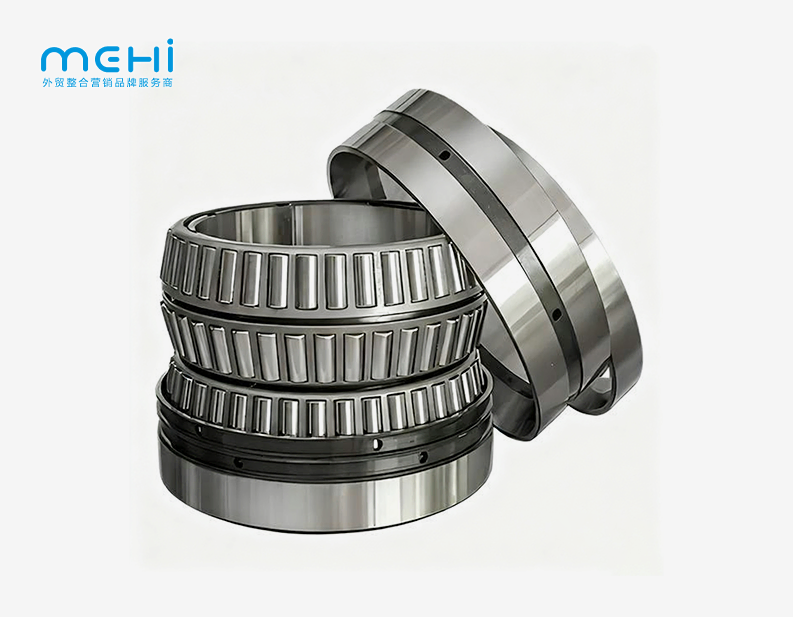
By following the right warm-up steps before starting work, you can get the hydraulic fluid to the right working temperature, which protects the parts and makes them work at their best. Operators should avoid making sudden control movements that put stress on hydraulic cylinders and wear out swing bearings, which are an important rotating part between the upper structure and the bottom. The mini excavator swing bearing can handle a lot of different types of loads, such as the machine's weight, the resistance to digging, and twisting moments that happen while it's working. Noises like grinding, uneven spinning, or play between the house and tracks are all signs of premature wear. Regular greasing through the right valves keeps things clean and lubricated, but too much greasing loses stuff and needs to be cleaned up. Keeping the hydraulic fluid clean saves delicate valve parts; dirty oil speeds up the wear on the whole system.
Systematic Maintenance Reduces Unscheduled Downtime
Before the operation starts every day, fluid levels, track strain, and the state of the bucket pins should all be checked. Every week, you have to do things like grease the swing bearings and boom pins, check the hydraulic lines for wear or leaks, and clean the dirt off the radiator fins to keep the cooling system working well. Maintenance that is done once a month includes changing the hydraulic filter and the engine oil and filter according to the manufacturer's instructions and carefully checking the bottom for broken or worn track guides or wheels. Models like the MK13 have an iron-shell counterweight design that makes it easier to get to important maintenance spots. This cuts down on service time compared to designs with integrated counterweights.
Performance Validation Through User Feedback
Landscapers always say that compact excavators, including mini excavators, cut down on project times by 40–60% compared to digging by hand and improve the accuracy of the grade. Operators like tools with quick controls and nice work areas because they don't get tired at the end of the day, which means they can keep working efficiently. Feedback from rental companies stresses that durability and ease of use are important factors in choosing what equipment to keep in the fleet, since equipment downtime directly affects income and customer happiness.
Conclusion
Mini excavators are always changing to meet the needs of the gardening industry for more power, accuracy, and flexibility in cities that are getting smaller and smaller. The 2026 best new mini excavators have improved hydraulic systems, engines that don't pollute, and well-thought-out, comfortable designs that make them surprisingly small for their professional-grade performance. When purchasing goods, professionals should weigh the features against the needs of the project, the way the goods will be used, and the total cost of ownership over time. This is true whether they choose well-known brands with lots of dealer support or new companies that offer good deals. Models like the MK13 show that high-tech features like hydraulic pilot controls, engines that don't pollute, and useful design elements are available at a range of prices, so builders of all sizes can improve project quality and productivity.
FAQ
1. What size compact excavator suits residential landscaping projects?
For domestic work, machines with an operating weight of 1,000 to 2,000 kg are the best mix. They have enough power for grading and trenching while still being able to fit through normal gates and causing the least amount of damage to the grass. The MK13's 1,300 kg weight is typical for this type of machine, and its 1,700 mm digging depth is enough for most domestic base work and utility installation.
2. How do operating costs compare between diesel and electric compact excavators?
Diesel units still have lower starting costs and more running options. They cost about $8 to $15 an hour to run, which includes fuel and upkeep. Electric models cost 20–40% more to buy, but they cost only $3–7 an hour to run because they use less energy and don't need much upkeep, though the batteries do need to be replaced eventually.
3. Which attachments provide the greatest versatility for landscaping applications?
In addition to the normal digging bucket, auger extensions make it much easier to plant trees and put up fence posts. Hydraulic grapples are good at moving brush and putting down stones. Narrow trenching buckets make exact paths for garden lighting and irrigation systems, while wider grading buckets improve the quality of the finish work on roads and patio bases.
Partner with Meihao for Your Compact Excavator Procurement Needs
The Meihao Supply Chain Company's main job is to connect skilled landscaping companies, rental companies, and building companies with China's best Mini Excavator providers. As a 2023 and 2024 Google Premier Partner that was recognized for success, we've set up strict testing processes that make sure our products meet international standards and that we provide reliable support after the sale. Our platform makes it easier to find Compact Excavators with the right mix of advanced features and low prices, whether you're looking for one unit or ways to grow your fleet. Talk to our team at somyshare@gmail.com about your unique needs, look up Mini Excavator manufacturers on chinatopmanufacturer.com, and learn how Meihao's buying experience can make sourcing easier while getting you equipment that improves your operations.
References
1. Anderson, T. (2025). Hydraulic Systems in Compact Construction Equipment: Engineering Principles and Performance Optimization. Construction Equipment Publications.
2. Chen, L., & Roberts, M. (2026). "Emission Standards and Engine Technology in Mini Excavators: Global Compliance Trends." International Journal of Construction Machinery, 18(2), 145-167.
3. Equipment Technology Association. (2025). 2026 Compact Excavator Market Analysis: Technology Trends and Buyer Preferences. ETA Industry Report.
4. Nakamura, K. (2025). "Operational Cost Analysis: Electric Versus Diesel Compact Excavators in Professional Landscaping." Journal of Equipment Management, 34(4), 78-92.
5. Williams, J. (2026). Landscaping Equipment Selection Guide: Matching Machine Specifications to Project Requirements. Professional Landscaper Press.
6. Zhang, H., & Thompson, R. (2025). "Swing Bearing Technology in Mini Excavators: Load Distribution and Maintenance Protocols." Heavy Equipment Engineering Quarterly, 41(3), 112-128.