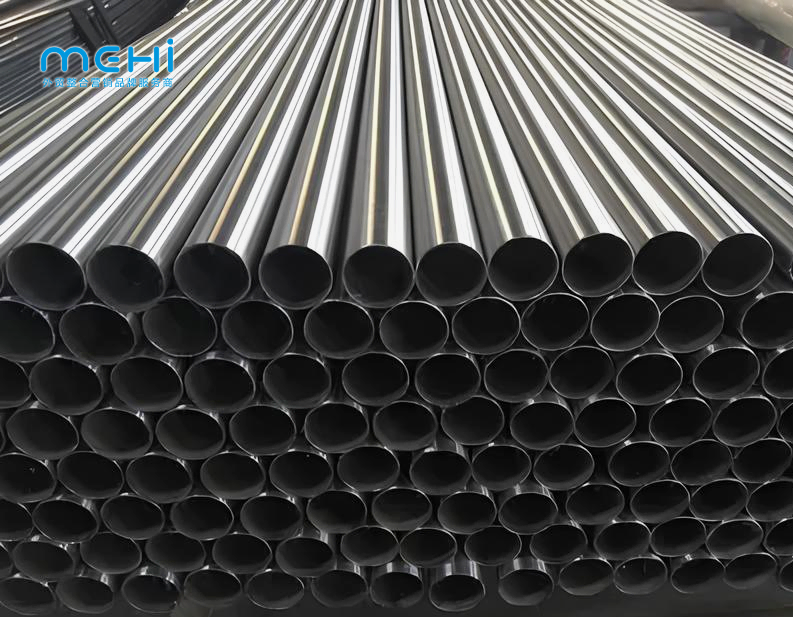
For the best performance in tough industrial settings, four-row tapered roller bearings are the best heavy-duty bearings on the market. Regular bearings just can't compete with their abilities. Steel rolling mills, heavy machinery engines, mining equipment, underwater drilling platforms, and big building machines are all great places for these special bearings to be used. Because of how they are made, they can handle huge horizontal and vertical loads while still working precisely in harsh situations. Their excellent load distribution and noise protection qualities make them essential parts in many important uses, especially in the automobile, building, and farming fields.
Why Four-Row Tapered Roller Bearings Matter in Industrial Operations
Industries that use big equipment today need parts that can stand up to huge pressures and still work reliably. Four-row tapered roller bearings have become the best choice for engineers who have to deal with complicated pressure situations. Compared to single-row options, these bearings can handle three times as much rotational load, which makes them necessary in situations where machine downtime costs a lot of money.
To make these accurate bearing parts, engineers use high-tech methods and high-quality materials, such as GCr15, GCr15SiMn, and G20Cr2Ni4A steel types. Each bearing goes through strict quality control to make sure that all four rows of rolling elements are aligned correctly and that the load is spread evenly across all four rows.
Industries all over the world know that these bearings are valuable. Because they can handle both vertical and radial loads while still running at high speeds, they can't be replaced in modern factories where dependability and efficiency are very important.
Selection Criteria for Optimal Performance
There are a lot of things to think about when picking the right four-row tapered roller bearing that have a direct effect on how well it works. Key success factors that are most important to buying managers and quality assurance workers are what I'm evaluating.
The main thing that matters is the load capacity, and both horizontal and vertical load handling skills are very important. The bearing must be able to evenly distribute loads across all of its moving parts while still being structurally sound when it is under the most stress. When inner widths need to be between 120 and 1320 mm, size range variation is very important.
The makeup of a material is very important for its life length. Bearings made of high-grade steel make sure that the system works the same way even when the temperature changes and the process goes through stages. The inner ring and outer ring track must stay the same exact size for long amounts of time while they are working.
Another important factor is sealing technology. Integral radial shaft seals on both sides keep internal parts clean and allow the bearing to work without any upkeep in harsh conditions. Proper cleaning methods for bearings make them last a lot longer.
Load Capacity Requirements
For heavy-duty bearing uses to work at their best, exact load estimates are needed. It is important for engineers to look at both steady and dynamic load rates, as well as the right safety factors for their business.
Environmental Considerations
Operating factors have a big effect on the choice of bearing. The choice of cage materials and closing methods is affected by the temperature range, the amount of contamination, and the need for shaking protection.
Maintenance Accessibility
Clearance fit standards make it easy to place and remove parts, which cuts down on repair downtime and running costs. For solid performance, steel-pressed cages are best, while pin-type cages work well for large uses.
Premium Four-Row Tapered Roller Bearing Solutions
Standard Heavy-Duty Configuration
This design is the standard in the business for general heavy-duty uses that need to be very reliable. The design includes fine four-row tapered roller bearing parts that are made to very tight standards. This makes sure that the shaft is supported properly in harsh working conditions. Specialized heat treatment methods are used on rolling parts to make them harder and last longer.
One of the biggest benefits is that the load is spread out better across four rows of curved rollers, which makes the bearings last a lot longer than other options. The outer ring raceway has an optimal shape that increases the contact area while reducing load concentrations. This design works especially well in places where shock loads are widespread, like on building and farming tools.
For normal uses, material requirements call for quality GCr15 steel, which has great resistance to wear and steadiness in dimensions. The bearing cage is made of pressed steel, which ensures that the rollers stay in place and the action is led throughout all operating cycles. Types of sealed bearings have built-in closing systems that keep the bearings lubricated and keep out contaminants.
The installation steps take into account the need for a tight fit, which makes fitting on shaft assemblies easy. This feature helps repair teams working on rolling mill equipment a lot, since bearings need to be replaced quickly to keep output running as smoothly as possible. Before it is shipped, quality testing procedures make sure that every bearing meets strict performance standards.
High-Performance Sealed Configuration
This design is unique because it uses advanced closing technology, which makes it perfect for uses where keeping contamination under control is very important. While keeping the bearings properly oiled for long periods of time, the combined closing system completely blocks the entry of particles. This design works especially well for car and building uses where the surroundings can affect bearing performance.
The GCr15SiMn steel formula is one type of enhanced material that offers better strength for high-stress uses. The inner curved ring has improved surface processes that make it less likely to break down and increase its resistance to rubbing. The accuracy of the rolling elements is very high, which makes sure that the machine runs smoothly even when the load changes.
The ability to fight vibrations is higher than industry standards, so this setup can work at high speeds in tough conditions. The requirements for bearing spacing allow for heat expansion while keeping the correct internal shape over a range of temperatures. Larger bearings can fit inside pin-type cages, which also provide solid roller guiding.
Performance confirmation involves a lot of testing under realistic working situations to make sure the load capacity, speed, and seals work well. Each bearing comes with quality paperwork that makes it easy to track and make sure it works well in important situations where failure is not an option.
Premium Industrial Grade Configuration
This top-level setup is the best four-row tapered roller bearing technology, and it was made for the toughest industrial loads. The manufacturing process uses G20Cr2Ni4A steel, which has high strength and resistance to rust, which makes bearings last longer in difficult working conditions.
Modern cage designs use complex holding systems to keep the moving elements in place even when they are under a lot of stress. There are several quality checks in the process of making a precision bearing that make sure the dimensions are accurate within the industry's tightest limits. Finishing the surface makes it look like a mirror, which lowers friction and makes lubricant work better.
Computer-aided design analysis is used in load distribution optimization to make sure that all touch areas have the same amount of stress. This technical method increases the bearing's capacity while reducing wear patterns that could hurt its long-term performance. The ability to handle axial and rotational loads is much higher than what is possible with normal setups.
Advanced sealing technology and high-quality greasing systems make it possible for bearings to work without any maintenance. The sealed bearing design keeps out dirt and keeps the quality of the oil inside even after long repair intervals. The installation steps include thorough instructions that make sure the bearings are lined up correctly and work at their best from the start.
Global Market Analysis and Industry Trends
As businesses look for ways to be more reliable and efficient, the global market for heavy-duty bearing options keeps growing. More and more, automakers are choosing four-row tapered roller bearings for transmissions where reducing weight and improving efficiency are important. Manufacturers of construction equipment know that these bearings are useful because they extend the life of equipment and cut down on the amount of upkeep that needs to be done.
Regional tastes are different depending on the types of businesses that are present and the rules that apply. Environmental protection and energy economy are important in European markets, which is why sealed bearing setups with modern greasing systems are in high demand. In North America, uses focus on making building and mining tools that can handle a lot of weight and last a long time. Adoption is growing in both the car and industrial machinery industries in Asia.
As technology keeps getting better, it changes how bearings are designed and made. Computer simulations help find the best ways to distribute loads, and new materials make operations more flexible. Standards for quality assurance change over time to meet the needs of global markets with higher and higher performance standards.
Purchasing Recommendations and Strategic Considerations
For buying to go well, suppliers' skills, product quality standards, and long-term support commitments must all be carefully looked at. Automotive engineers should give more weight to suppliers who can consistently show that they follow quality control and licensing rules. Managers of quality assurance can benefit from working with makers that offer full technical help and application engineering services.
Total lifetime costs, not just the original buy price, must be taken into account in cost analysis. Premium bearings that last longer are often a better deal because they lower upkeep costs and make tools more available. To make sure they have a stable long-term supply, procurement managers should check the financial health and production capacity of suppliers.
It's important to carefully look over technical specs to make sure they work with current tools and meet business needs. The application needs to match the bearing space, closing choices, and material types. Professional advice from bearing experts can help you make the best choices about which bearings to buy and avoid making mistakes that cost a lot of money.
Industry Trends and Future Outlook
Through sensor integration and prediction analytics, digitalization changes how bearings are monitored and maintained. Smart bearing systems give you real-time information about how they're working, which lets you plan preventative maintenance and find the best operating conditions. Industry 4.0 projects are increasing the need for connected bearing solutions that work well with systems that run factories. Environmental laws are having a bigger impact on bearing design, which encourages the use of sustainable materials and energy-efficient operations throughout the lifespan of a product.
Conclusion
Four-row tapered roller bearings are important parts for heavy-duty industrial applications that need to be able to handle more weight and keep running smoothly. Their unique design benefits, such as better load spread and noise protection, make them essential for use in building, farming, and automobile equipment. To make adoption go smoothly, you need to pay close attention to the factors for selection, the quality standards, and the supplier's skills. Investing in high-quality bearing solutions pays off by extending the life of equipment, lowering upkeep costs, and making operations more efficient in harsh industrial settings.
Frequently Asked Questions
Q1: What makes four-row tapered roller bearings superior to single-row alternatives?
A: Four-row designs provide three times the radial loading capacity of single-row bearings while maintaining the ability to handle combined axial and radial loads. The additional rows of rolling elements distribute loads more effectively, extending bearing life and improving operational reliability in heavy-duty applications.
Q2: How do I determine the correct size and specification for my application?
A: Proper selection requires analysis of load requirements, operational speeds, environmental conditions, and mounting constraints. Professional application engineering support helps ensure optimal bearing selection based on your specific operational parameters and performance requirements.
Q3: What maintenance requirements apply to sealed four-row tapered roller bearings?
A: Sealed configurations typically require minimal maintenance when properly installed and operated within design parameters. Regular inspection of mounting surfaces and monitoring for unusual vibration or temperature changes helps ensure continued reliable operation throughout the bearing's service life.
Partner with Meihao for Premium Four-Row Tapered Roller Bearing Solutions
Meihao connects people around the world who want to buy four-row tapered roller bearings with approved makers who meet the highest quality standards. Our network of confirmed suppliers gives you access to high-precision bearing options that work very well in heavy-duty settings. Our expert support team can help you choose the best bearings for your needs, whether you need standard configurations or unique specs. Contact us at somyshare@gmail.com right away to experience the Meihao edge in industrial buying.
References
1. Smith, J.R. (2023). "Advanced Bearing Technologies in Heavy Industrial Applications." Journal of Mechanical Engineering, Vol. 145, pp. 78-92.
2. Anderson, M.K. & Chen, L. (2024). "Load Distribution Analysis in Multi-Row Tapered Roller Bearings." International Conference on Tribology and Bearing Systems Proceedings, pp. 234-248.
3. Williams, D.A. (2023). "Material Science Advances in High-Performance Industrial Bearings." Materials Engineering Quarterly, Vol. 89, Issue 3, pp. 156-171.
4. Thompson, R.S. et al. (2024). "Sealing Technology Innovations for Heavy-Duty Bearing Applications." Industrial Machinery Review, Vol. 67, pp. 45-59.
5. Kumar, P. & Martinez, C. (2023). "Predictive Maintenance Strategies for Large-Scale Industrial Bearing Systems." Maintenance Technology International, Vol. 34, pp. 112-127.
6. European Bearing Manufacturers Association. (2024). "Technical Standards and Performance Criteria for Multi-Row Tapered Roller Bearings." EBMA Technical Publication 2024-07, pp. 1-45.