- English
- French
- German
- Portuguese
- Spanish
- Russian
- Japanese
- Korean
- Arabic
- Greek
- German
- Turkish
- Italian
- Danish
- Romanian
- Indonesian
- Czech
- Afrikaans
- Swedish
- Polish
- Basque
- Catalan
- Esperanto
- Hindi
- Lao
- Albanian
- Amharic
- Armenian
- Azerbaijani
- Belarusian
- Bengali
- Bosnian
- Bulgarian
- Cebuano
- Chichewa
- Corsican
- Croatian
- Dutch
- Estonian
- Filipino
- Finnish
- Frisian
- Galician
- Georgian
- Gujarati
- Haitian
- Hausa
- Hawaiian
- Hebrew
- Hmong
- Hungarian
- Icelandic
- Igbo
- Javanese
- Kannada
- Kazakh
- Khmer
- Kurdish
- Kyrgyz
- Latin
- Latvian
- Lithuanian
- Luxembou..
- Macedonian
- Malagasy
- Malay
- Malayalam
- Maltese
- Maori
- Marathi
- Mongolian
- Burmese
- Nepali
- Norwegian
- Pashto
- Persian
- Punjabi
- Serbian
- Sesotho
- Sinhala
- Slovak
- Slovenian
- Somali
- Samoan
- Scots Gaelic
- Shona
- Sindhi
- Sundanese
- Swahili
- Tajik
- Tamil
- Telugu
- Thai
- Ukrainian
- Urdu
- Uzbek
- Vietnamese
- Welsh
- Xhosa
- Yiddish
- Yoruba
- Zulu
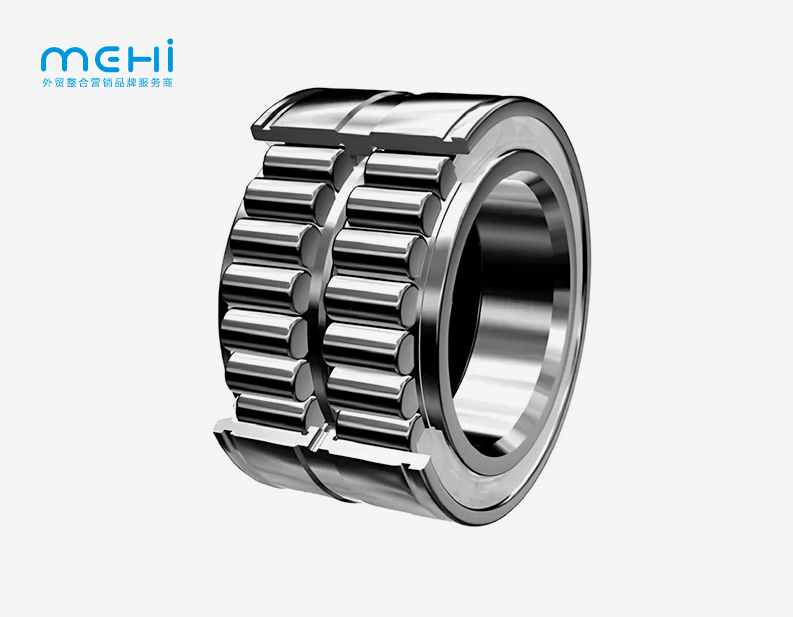
In mining activities, bearing solutions must be able to last in harsh situations where broken equipment means expensive downtime. The double-row tapered roller bearing is a unique technical answer made to handle high combined loads, forces acting in both directions, and high radial pressures that are common in mineral extraction settings. These bearings have two rows of curved rollers that are opposite each other in a single unit. This means that they don't need to be adjusted as often as single-row bearings do, and they also distribute load better across important mining machinery parts. Because they are stiff and come with an internal clearance that has already been set, they are essential for crushers, conveyors, and processing equipment that have to work constantly under harsh shock and vibration.
Understanding Double Row Tapered Roller Bearings in Mining
What Makes These Bearings Essential for Mining Equipment?
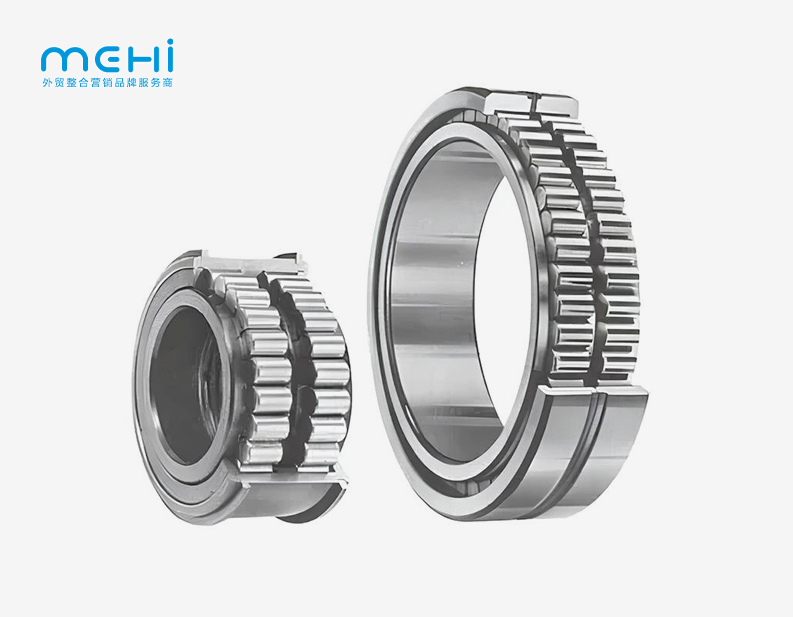
The basic structure of double-row tapered roller bearings meets the most difficult operating needs in mining. These parts are different from normal bearings because they have two sets of curved rollers that can be placed either back-to-back (TDO) or face-to-face (TDI). This design spreads the weight across many contact points, which stops early wear and catastrophic failure when the forces that happen often in ore preparation happen again and again.
In mining settings, bearings are exposed to rough dust, water, high temperatures, and shock loads that quickly destroy parts that weren't designed well. The built-in spacer system between the inner rings lets you precisely change the clearance, which allows for thermal expansion while keeping the optimal preload throughout all working cycles. This trait is very important in gearboxes and rolling mills where temperatures change by more than 100°F during constant shifts of production.
Material Engineering for Extreme Conditions
Industrial-grade bearings are different from mining-grade parts because they use better materials. Premium double-row tapered roller bearings can be made from GCr15 chrome steel, GCr15SiMn silicon-manganese alloys, or G20Cr2Ni4A case-hardening steel, based on the needs of the application. Specialized heat treatment methods are used on these metal mixtures to make the surfaces harder than 58 HRC while keeping the core tough enough to absorb impact.
The material science behind mine bearings takes into account more than one way they can fail at the same time. The surface's roughness stops mineral dust from introducing rough particles, and the core's harder structure handles shock loads from ore impact. When installed properly, special carbide formations in the steel matrix make the wear life last longer than 50,000 hours. This means that compared to normal industrial bearings, they have a lower total cost of ownership.
Top Mining Applications for Double Row Tapered Roller Bearings
Crushing Equipment and Material Processing
Primary jaw crushers and gyratory crushers put a lot of stress on their bearing systems. When these machines process tons of hard rock, they create huge rotational forces that cause load spikes that are 300% higher than their normal rates. When used in crushers, double row tapered roller bearings in the main shafts and eccentric parts keep the shafts aligned even when the conditions are very rough.
Impact and cone crushers both work better with double-row tapered roller bearings and double-row designs because they can handle horizontal loads going in both directions. The TDO configuration works the same as two single-row bearings placed back-to-back, but it takes up a lot less room along the axis in small crusher housings. This saves room so engineers can make stronger shaft systems without making the machines bigger. This is a big benefit in underground mines where the size of the equipment directly affects the size of the tunnel and the cost of digging it.
Conveyor Systems and Material Handling
Long-distance conveyor systems move millions of tons of materials every year across mine sites. Idler rolls and drive shafts keep turning even when the belts are heavy. In conveyor head pulleys, double row tapered roller bearings handle the combined radial loads from the belt tension and the axial forces from changes in the tracking of the material. Because they can limit shaft movement in both directions, they get rid of the need for extra finding bearings. This makes the design of the conveyor easier and more reliable.
When hydraulic or gravity tensioners apply different preloads during operating cycles, belt tensioning systems cause extra problems. Because double-row bearings have a changeable space, they can handle these changes in load without needing to be serviced often. When properly designed, tapered roller assemblies are used instead of ball bearings in conveyor applications. Mining companies report longer service intervals of more than 18 months between bearing checks.
Heavy Mobile Equipment
When haul trucks work in open-pit mines, they carry loads of more than 400 tons over unpaved roads. This puts the wheel-end bearings under constant shock loads and contamination. Wheel hubs with double row tapered roller bearings give the vehicle the strong load capacity and seal integrity it needs to work reliably between planned repair windows. Because they are curved, they naturally push dirt away from areas that are under a lot of stress. This increases their service life in dirty places where bearing failure can leave expensive equipment far from repair shops.
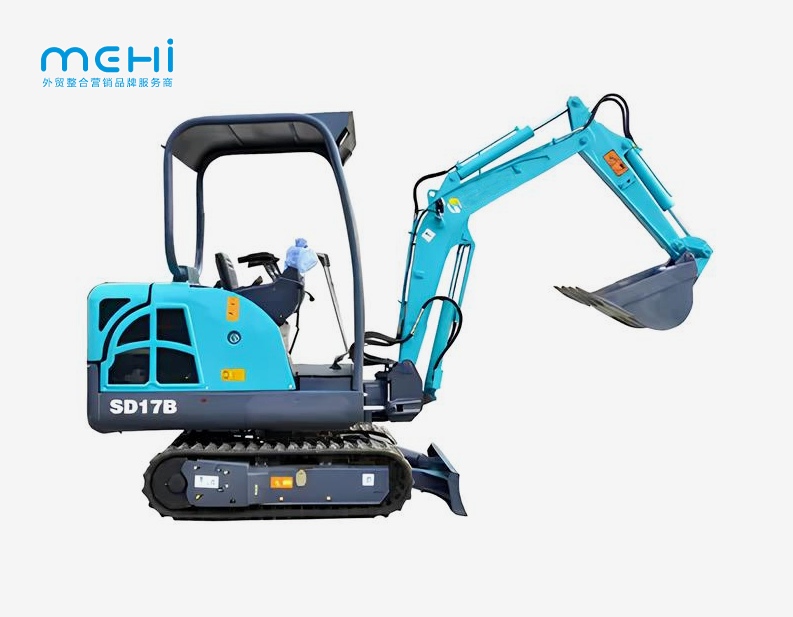
Double row bearing setups are also good for the swing mechanisms and boom sections of excavators. While these machines are digging, radial, axial, and moment loads are all put on the slewing rings and pivot points. Bearing systems need to be able to handle these multi-axis forces while keeping the setting accurate enough for the operator to control. Double row tapered roller bearings are naturally rigid, so they don't bend when they're loaded. This gives my excavators with working weights between 100 and 800 tons the precision they need to move materials efficiently.
Advantages of Double Row Tapered Roller Bearings Over Alternatives in Mining
Superior Load Management and Service Life
When you compare bearing technologies, you can see that they work very differently in mining situations. To get the right preload, single-row tapered roller bearings need to be installed and shimmied precisely. This makes the building process more complicated and increases the chance of making a mistake during correction. This worry is not needed with double-row setups because the maker sets the clearances so that they work perfectly as soon as they are installed. This makes things easier and takes about 40% less time to install than paired single-row units. This means that the equipment is down less during repair.
Ball bearings don't have enough contact area to handle big loads in mining, and they wear out quickly when put under the long-term pressures that are common in mineral handling. Cylindrical roller bearings are good at handling rotational loads, but they need extra thrust bearings to handle axial forces, which makes things more expensive and complicated. Double row tapered roller bearings have the same radial capacity as cylindrical rollers and more thrust capacity in both directions than most ball bearings. They do this all in one combined unit that takes up very little axial space.
The economic benefit goes beyond the initial costs of purchase and includes all the costs of owning the product. Bearings only make up a small part of the cost of buying new equipment (less than 2%), but they affect more than 30% of the cost of upkeep because they affect how often and how long equipment is down. By choosing bearings that are especially made for mining conditions, unplanned maintenance events are less likely to happen, which can save businesses $50,000 to $200,000 per incident in missed production, based on how important the equipment is and the price of the commodity.
Design Efficiency and Installation Benefits
Because mining equipment housings are limited in space, small bearing systems are very useful. The combined design of double-row tapered roller bearings makes it possible to get load capacities that are the same as much bigger bearing arrangements while using housings that are 25% smaller than other options. Because it is so small, engineers can strengthen the surrounding structure parts or lighten the whole piece of equipment, which makes mobile mining equipment use less fuel.
How easy it is to install something has a direct effect on how well it is maintained and how reliable it is. When it comes to bearings that need complicated preload processes, the factors rely on the technician's skill level and the tools that are available. Double row designs with fixed spacers get rid of the guesswork involved in adjustments, so maintenance teams can safely get the performance specs set by the maker. Standardized bearing supplies help mining companies cut their stock by more than 30% when they switch to double-row setups. This is because single bearing types replace many paired single-row assemblies across lines of equipment.
Procurement and Maintenance Best Practices for B2B Clients
Strategic Supplier Selection
Finding suppliers of important bearings requires more than just comparing prices. Bearing makers with a good reputation have strict quality control systems that make sure the dimensions are correct, the materials are consistent, and the metal's features meet the written standards. Supplier certifications, such as ISO 9001 quality control and industry-specific standards, must be checked to make sure that parts will work as designed in real mining circumstances.
The range of sizes that are offered affects how well equipment works together and how much it can be standardized. For mining use, double row tapered roller bearings have inner widths ranging from 150 mm to 1778 mm, which means they can fit shaft sizes in almost all types of mining equipment. When suppliers offer a wide range of sizes, procurement teams can combine their ties with multiple suppliers. This makes handling easier and could lead to better prices for large orders. When standard stock measurements don't work for certain setups, custom sizing lets you get the right tools for the job.
Optimizing Maintenance Protocols
How bearings are oiled has a big effect on how well they work and how long they last. Lubricants get dirty quickly in mining settings because dust and water get in. This means that strict relubrication plans are needed. In double-row tapered roller bearings, lithium complex or polyurea greases that are rated for high pressure are usually used for lubrication. Instead of random time periods that might not work well under heavy use, maintenance methods should list regreasing intervals based on working hours, temperature, and contamination exposure.
Vibration analysis and temperature tracking can tell you early on if there are problems with a double-row tapered roller bearing before it fails completely. Modern condition tracking systems can pick up on small changes in the rates of bearing signatures. This lets maintenance teams know when there is contamination, poor greasing, or the spread of fatigue cracks. Using predictive maintenance strategies around important double-row tapered roller bearings in crushers, mills, and conveyors can cut unplanned downtime by 60% compared to reactive maintenance methods. This has big economic benefits that pay for monitoring system investments within the usual 18-month payback period.
Conclusion
Double row tapered roller bearings are engineered solutions that solve some of mining's toughest practical problems by offering high load capacity, resistance to environmental factors, and ease of upkeep. Because they can handle both circular and bidirectional axial loads in small packages, they are essential in breaking equipment, conveyor systems, and mobile machinery where dependability has a direct effect on production costs. Instead of just looking at the initial buy price, procurement workers need to look at the supplier's skills, the specifications of the materials, and the total cost of ownership. When installed and kept correctly, double-row tapered roller bearings make machinery uptime and operating efficiency better in a way that can be measured.
FAQ
1. What is the typical service life of double row tapered roller bearings in mining applications?
Service life is very different depending on the load, the level of upkeep, and the environment. These bearings can work for 30,000 to 50,000 hours if they are properly oiled and loaded normally. If there is heavy force loading or poisoning, the life may be cut to 15,000 to 20,000 hours. In ideal conditions, it can last longer than 60,000 hours. Regularly checking for vibrations and oil changes helps correctly guess how much longer bearings will last.
2. How do I select the appropriate bearing size for specific mining equipment?
To make a choice, you have to figure out the real radial and axial loads, the minimum L10 fatigue life, and the speed values. Bearing makers' engineering reference books include selection methods that take into account dynamic load ratings, application factors for harsh mining conditions, and temperature concerns. Talking to bearing application engineers makes sure that the right specifications are used for important setups where failure would have serious effects that call for professional help.
3. Can these bearings be repaired, or must they be replaced upon failure?
Mining-grade tapered roller bearings are very precise parts that can't be fixed for a reasonable price after they break. Damage to the raceways or wheels breaks down the metal, which means that repair can't be relied on. Companies should keep strategic extra stocks of important bearing sizes, weighing the costs of doing so against the risks of machine downtime. Predictive maintenance tools keep things in good shape and make sure they last as long as possible.
Partner with Meihao for Your Double Row Tapered Roller Bearing Sourcing Needs
Meihao Supply Chain Company links companies that make mining equipment and people who work in upkeep with trusted Chinese companies that specialize in heavy-duty bearing solutions. We give you safe access to manufacturers who make Double Row Tapered Roller Bearings that meet international quality standards as a Google Premier Partner that was recognized for success in 2023 and 2024, and as the top Google Partner in Greater China for 2024. Our platform makes it easier for mining companies in North America, Europe, and Australia to find cost-effective bearing providers without sacrificing quality or dependability.
Our confirmed network has makers who can make bearings with inner diameters ranging from 150mm to 1778mm in GCr15, GCr15SiMn, and G20Cr2Ni4A materials. They can do this whether you need normal catalog sizes or custom-engineered options for specific mining equipment. We make it easier for people to communicate, check quality, and coordinate operations, which are all real issues that come up when you buy things from other countries. Contact our team at somyshare@gmail.com to talk about your bearing needs, get catalogs from manufacturers, or get quotes from approved Double Row Tapered Roller Bearing sources.
References
1. Harris, T.A. & Kotzalas, M.N. (2006). Advanced Concepts of Bearing Technology: Rolling Bearing Analysis, Fifth Edition. CRC Press, Taylor & Francis Group.
2. Brändlein, J., Eschmann, P., Hasbargen, L. & Weigand, K. (1999). Ball and Roller Bearings: Theory, Design and Application, Third Edition. John Wiley & Sons.
3. Neale, M.J. (2001). The Tribology Handbook, Second Edition. Butterworth-Heinemann, Oxford.
4. Budynas, R.G. & Nisbett, J.K. (2015). Shigley's Mechanical Engineering Design, Tenth Edition. McGraw-Hill Education.
5. Hamrock, B.J., Schmid, S.R. & Jacobson, B.O. (2004). Fundamentals of Fluid Film Lubrication, Second Edition. Marcel Dekker, New York.
6. Eschmann, P. (1985). Bearing Damage and Failure Analysis in Rolling Mills. Society of Tribologists and Lubrication Engineers, Technical Paper Series.