- English
- French
- German
- Portuguese
- Spanish
- Russian
- Japanese
- Korean
- Arabic
- Greek
- German
- Turkish
- Italian
- Danish
- Romanian
- Indonesian
- Czech
- Afrikaans
- Swedish
- Polish
- Basque
- Catalan
- Esperanto
- Hindi
- Lao
- Albanian
- Amharic
- Armenian
- Azerbaijani
- Belarusian
- Bengali
- Bosnian
- Bulgarian
- Cebuano
- Chichewa
- Corsican
- Croatian
- Dutch
- Estonian
- Filipino
- Finnish
- Frisian
- Galician
- Georgian
- Gujarati
- Haitian
- Hausa
- Hawaiian
- Hebrew
- Hmong
- Hungarian
- Icelandic
- Igbo
- Javanese
- Kannada
- Kazakh
- Khmer
- Kurdish
- Kyrgyz
- Latin
- Latvian
- Lithuanian
- Luxembou..
- Macedonian
- Malagasy
- Malay
- Malayalam
- Maltese
- Maori
- Marathi
- Mongolian
- Burmese
- Nepali
- Norwegian
- Pashto
- Persian
- Punjabi
- Serbian
- Sesotho
- Sinhala
- Slovak
- Slovenian
- Somali
- Samoan
- Scots Gaelic
- Shona
- Sindhi
- Sundanese
- Swahili
- Tajik
- Tamil
- Telugu
- Thai
- Ukrainian
- Urdu
- Uzbek
- Vietnamese
- Welsh
- Xhosa
- Yiddish
- Yoruba
- Zulu
In the areas of medicine, health, and beauty, supplements with yucca extract are becoming more common. It's very important that when your buying team looks at possible sources, these yucca extract plant-based products are gluten-free and not genetically modified. This is necessary not only to follow the law, but also to meet customer expectations and keep the brand's good name. That is, most good things that are made with yucca extract don't have gluten or GMOs. The yucca plant (Yucca smalliana Fern.) comes from a tree and doesn't need gluten to grow. On the other hand, it could get dirty while it is being grown, removed, or handled. This might make claims that it is not GMO less true or add gluten. This guide talks about some important things that R&D leaders, formulation managers, and buying teams should think about when they choose where to get goods. All of these things will help keep quality high and make brands stand out in global markets that are very competitive.
Understanding Yucca Extract Supplements: Composition and Production
What Is Yucca Extract and How Is It Processed?
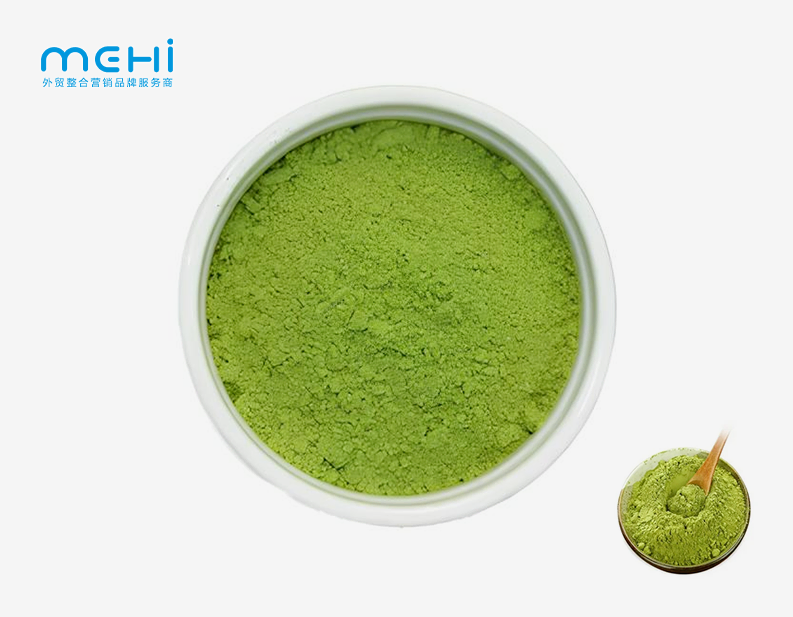
Yucca extract comes from the whole yucca plant. The root and stem are where the most saponins and polyphenolic chemicals are found. Usually, water or alcohol solvents are used for the extraction process. A brown-yellow powder is then made by filtering, concentrating, and spray-drying. This powder form, which comes in different ratios like 30%, 60%, or special ones, makes it easy to make products for health and beauty uses. UV spectrophotometry quality checking makes sure that the active compounds are always the same, which has a direct effect on how well the product works and how reliable it is from batch to batch.
Understanding the steps used in production helps people who work in buying figure out how likely it is that pollution will happen. Cross-contact with gluten may happen when equipment used for grain-based products is shared. Similarly, genetically modified materials could be used as farming inputs or processing aids, but this doesn't happen very often when growing yucca because it is naturally occurring and not designed.
Defining Gluten-Free and Non-GMO in Supplements
For supplements to be labeled as gluten-free, they must have less than 20 parts per million (ppm) of gluten. This is a limit set by government agencies like the FDA and the European Commission. Non-GMO verification, on the other hand, makes sure that raw materials come from organisms that have not been genetically modified. This is done by tracking them from the seed to the store and having a third-party test them. These standards are very important for brands that want to reach health-conscious customers, people who care about clean labels, and people who are allergic to certain foods.
Naturally, yucca products meet both of these requirements. Keeping this purity up is hard because it requires open sourcing, strict facility controls, and lots of paperwork. These are the things that set trustworthy sellers apart from those who don't have oversight. Checking certifications like ISO 9001:2015, ISO 22000, Halal, Kosher, and HACCP becomes a must for buying teams as they evaluate sellers. This lowers compliance risks and ensures the safety of the end product.
Natural Status Versus Processing Realities
Yucca doesn't pose much of a gluten or GMO risk by itself, but the places where it is grown and processed can be dangerous. Cross-contamination can happen in places that work with more than one plant ingredient, like when equipment lines for wheat grains or genetically modified crops are shared. To protect gluten-free and non-GMO promises throughout the production cycle, procurement professionals need to look into supplier protocols. These protocols should include specific gluten-free zones, proven cleaning methods, and regular allergen testing.
Key Factors Affecting Gluten and GMO Status in Yucca Extracts
Cross-Contamination Risks During Processing
In processing areas, different plant extracts are often used. Some of these extracts come from sources that contain gluten, like wheat grass or barley. If strict separation rules aren't used, gluten bits that are still present can get into batches of yucca extract. Leading makers deal with this issue by using specialized tools, following well-tested cleaning plans, and conducting regular swab tests to make sure areas stay below detection levels. Third-party exams under the HACCP and FAMI-QS systems give buying teams extra peace of mind by letting them check the facility's hygiene and allergen control measures before committing to large orders.
When suppliers give away free samples, buyers can test them for gluten on their own, making sure that the claims are true before making larger purchases. This useful step lowers the risks that come after contamination isn't reported, like product bans, fines from regulators, or damage to the brand's image.
Supplier Reliability and Agricultural Practices
Concerns about GMOs in yucca extract stem less from the plant itself and more from the things that farmers use. Genetically modified crops could be used to make fertilizers, pesticides, or processing tools that could possibly leave GMO traces. Reliable sellers keep track of where their yucca comes from, from approved non-GMO farms to the point where it is extracted and packed. Certifications like Non-GMO Project Verified or organic marks (USDA Organic, EU Organic) are real signs of honesty in the supply chain.
When procurement managers look at possible partners, they should ask for thorough supply chain maps, reports on genetic tests, and proof of certification. If a supplier can't or won't provide this level of openness, it means they pose a high risk and should be avoided.
Organic Versus Conventional Extracts
Organic yucca extract gives you more confidence that the product is gluten-free and doesn't contain GMOs. GMOs are not allowed by organic standards, and organic crops must be kept very far away from normal crops. This makes it less likely that the two will come into touch. However, organic approval does not mean that a facility is gluten-free; it must still follow allergen control guidelines when working with different kinds of products. To find the best balance between cost and risk tolerance, many buying teams choose certified organic extracts for high-end product lines and standard, thoroughly tested extracts for mass-market formulas.
These controls in the supply chain have a direct effect on how prices are set. Certified organic and gluten-free yucca powders cost more, but they help with marketing and are easier to comply with, especially in North American and European markets where consumers prefer clean labels.
Comparing Top Yucca Extract Supplements: Gluten-Free and Non-GMO Credentials
Certification Landscape Among Leading Brands
Well-known supplement names like Nature's Way, Solaray, and NOW Foods have a lot of different certifications, such as NSF Gluten-Free, Non-GMO Project Verified, and different kosher or halal marks. These validations from a third party show a dedication to quality assurance and supply chain openness, which affects buyers' trust. When buying yucca extract for private label products, buyers should look for sellers with the same or similar certifications. These include ISO22000 for food safety management, HACCP for hazard analysis, and ISO9001:2015 for quality systems.
Having full test results available, like certificates of analysis (CoA) that list gluten content, saponin concentration, heavy metals, and microbiological factors, lets buying teams do their research thoroughly. When suppliers give standardized CoAs along with batch-specific results, it shows that they are operationally mature and ready for legal requirements. These are important things to have when entering controlled markets like the US, EU, or Japan.
Powder Versus Liquid Forms
The style of a product affects how easily it can get contaminated and how stable it is during storage. Yucca extract powders, which usually come in 30% or 60% saponin amounts, last longer and are easier to mix into pill or tablet forms. For drinking uses, liquid extracts are quickly bioavailable, but they need preservatives and are more likely to become contaminated with microbes if they are not treated properly. If you want to make something gluten-free, powders are easier than liquids because liquids may need extra filter aids or stabilizers that come from gluten-containing foods.
Evaluating Suppliers at Scale
Suppliers are carefully checked more than just once during the approval process. Regular checks, which can be done remotely or on-site, make sure that written processes are still being followed. Random batch tests for gluten content should be part of sampling routines. These tests should use ELISA methods that are sensitive to 5 ppm levels. Genetic testing using PCR assays proves the lack of GMO traces. This is especially important when getting from places where farming methods are very different.
Having long-term relationships with honest providers lowers problems in the supply chain and improves the regularity of quality. Quality agreements that spell out accepted limits, testing frequencies, and corrective action methods are helpful for procurement managers. These agreements make sure that both parties are responsible for making sure that all shipments of yucca extract are gluten-free and don't contain GMOs.
Benefits and Uses of Yucca Extract for B2B Clients: Why It Matters Beyond Certifications?
Functional Applications Across Industries
In addition to meeting compliance requirements, yucca extract has real-world practical benefits that affect choices about what to buy. Saponins are the main active chemicals. They have anti-inflammatory and antioxidant qualities, which make them useful in dietary products that support immune function, digestive health, and joint health. The bioactive profile is also appealing to beauty formulators who are looking for natural ingredients to use in anti-aging creams, healing serums, and treatments for the hair.
Procurement teams that work with more than one business unit can benefit from flexible ingredients like yucca extract. Nutritional supplement companies use it in formulas for sports recovery, and beauty R&D teams use its surfactant qualities to make gentle cleansers. This adaptability improves the use of inventory and the value of the seller relationship, especially when vendors offer customized specs that meet the needs of a wide range of applications.
Dosage and Formulation Considerations
Based on therapeutic goals, clinical studies show that the best amounts of yucca extract are between 4 and 8 mg of active saponins per dose. When deciding on extract amounts, procurement workers working with formulation scientists have to weigh the cost of the ingredients, the dosage needs, and the label claims. Higher concentrations of extracts (60% saponins) allow for smaller serving amounts, which lowers the weight of tablets and the cost of packing. Lower concentrations (30% saponins) may be better for mass-market goods that want to stay within budget.
Doing stability tests under fast-aging conditions can help you guess how long something will last on the shelf and help you decide how to package it. UV testing makes sure that the amount of saponin in a product stays within the limits set by the manufacturer. This protects the product's claims of effectiveness and customer happiness. When releasing goods in highly competitive or regulated markets, it's helpful for suppliers to provide full stability data because it shows they know their stuff when it comes to technology and lowers the risk of mistakes in the formulation.
Labeling and Market Positioning
Certifications for gluten-free and non-GMO foods open up premium positioning options and give you access to specialty store outlets. Natural food stores, health food distributors, and online shopping sites are all demanding more and more confirmed clean-label credentials. This affects both the distributors' and customers' choices about what to buy. When purchasing, teams get certified yucca extract, they can use package callouts, certification seals, and different wording to help market the product better. This helps explain higher prices and builds brand loyalty.
It is very important to understand the differences in regulations between target areas. The European Union's Novel Foods laws, the US's dietary supplement GMPs, and Health Canada's natural health product standards all have their own specific rules about what needs to be documented and tested. Working with providers who know how to comply with regulations in more than one area makes regulatory submissions easier and speeds up the time it takes for new formulations to reach the market.
Conclusion
Supplements made from yucca extract are naturally gluten-free and non-GMO, but keeping these qualities while finding and handling them requires careful supplier management. To make sure of the purity of the product, procurement teams must look at certifications, look into rules for contamination, and make sure that suppliers are open and honest. High-quality extracts from Yucca smalliana Fern. Those that have been standardized through UV testing and backed by full certifications like ISO22000, HACCP, and Kosher provide useful benefits while also meeting regulatory requirements. Strategic source selection strikes a balance between lowering costs and ensuring quality. This helps brands set their goods apart and earn customers' trust. Finding certified gluten-free and non-GMO yucca extract is becoming more important for companies that make food, cosmetics, and medicines as clean label trends spread around the world.
FAQ
1. Are all yucca extract supplements automatically gluten-free and non-GMO?
Yucca trees don't have gluten in them by nature, and they haven't been genetically changed. However, processing settings may pose a risk of contamination if they handle gluten-containing foods or don't have the right segregation rules in place. Before buying, procurement teams should check the licenses of suppliers and ask for proof of tests for each batch to make sure the yucca extract is gluten-free and doesn't contain GMOs.
2. What certifications should I look for when sourcing yucca extract?
Suppliers with a good reputation have certificates like ISO9001:2015 for quality management, ISO22000 for food safety, HACCP for risk management, and Halal or Kosher for religious dietary needs. Third-party gluten-free approvals and Non-GMO Project proof give you even more peace of mind, especially if you're going after strict clean-label markets in North America or Europe.
3. How can I test yucca extract samples for gluten contamination?
ELISA tests are done by independent labs to find gluten at levels as low as 5 ppm, which is much lower than the 20 ppm legal limit. Before committing to bulk orders, getting free samples from possible sellers and having third-party tests confirm promises lowers the risk of downstream compliance.
4. Does organic yucca extract guarantee gluten-free and non-GMO status?
For more non-GMO guarantees, organic certification requires crops to be kept separate from normal crops and doesn't allow the use of GMOs. But the organic rules don't say anything directly about gluten cross-contact. To ensure gluten-free status, suppliers must follow special allergen control methods. For the highest level of trust, combined organic and gluten-free certification for yucca extract is the best option.
Partner with Meihao for Verified Yucca Extract Supplier Connections
Meihao's main job is to connect buyers from around the world with licensed Chinese companies that can supply high-quality yucca extract that strictly follows gluten-free and non-GMO rules. Our platform carefully checks that sellers have ISO9001:2015, ISO22000, Halal, Kosher, HACCP, and FAMI-QS certifications. This makes sure that the quality of the products is high and that they follow the rules. We have brown-yellow yucca extract powder that is standardized to 30%, 60%, or unique specs. This powder comes from the Yucca smalliana Fern. and checked using the UV method. Full test results, free samples, and low bulk prices let people make smart choices about where to get ingredients for cosmetic, medicinal, and nutritional uses. As a Google Premier Partner for 2023 and 2024, Meihao uses cutting-edge digital tools to make it easier for buyers to find approved makers and for suppliers to get in touch with each other. Contact our team at somyshare@gmail.com to learn more about how we can help you find yucca extract suppliers who can help you meet your clean-label formulation goals and make your supply chain more resilient.
References
1. Smith, J.A., & Thompson, R.L. (2021). Saponins in Yucca Species: Composition, Extraction, and Biological Activity. Journal of Natural Product Research, 35(8), 1456-1473.
2. Williams, K.M. (2020). Gluten Contamination Risks in Botanical Supplement Manufacturing: A Critical Review. Food Safety and Quality Assurance, 12(3), 289-305.
3. Chen, L., & Rodriguez, M. (2022). Non-GMO Verification in Plant Extract Supply Chains: Best Practices and Regulatory Considerations. International Journal of Food Science and Technology, 57(4), 2134-2148.
4. Garcia, P.E., & Anderson, H.R. (2019). Yucca Extract Applications in Functional Foods and Nutraceuticals. Nutrition and Dietary Supplements, 11, 67-82.
5. European Food Safety Authority (2023). Scientific Opinion on the Safety of Yucca schidigera Extract as a Food Additive. EFSA Journal, 21(2), e07845.
6. Patel, S.K., & Liu, Y. (2020). Quality Assurance Practices in Botanical Extract Manufacturing: Certification, Testing, and Supply Chain Transparency. Journal of Pharmaceutical Quality Assurance, 14(6), 412-428.